'Glitches' from dead star could reveal origin of mysterious deep space signals: Study

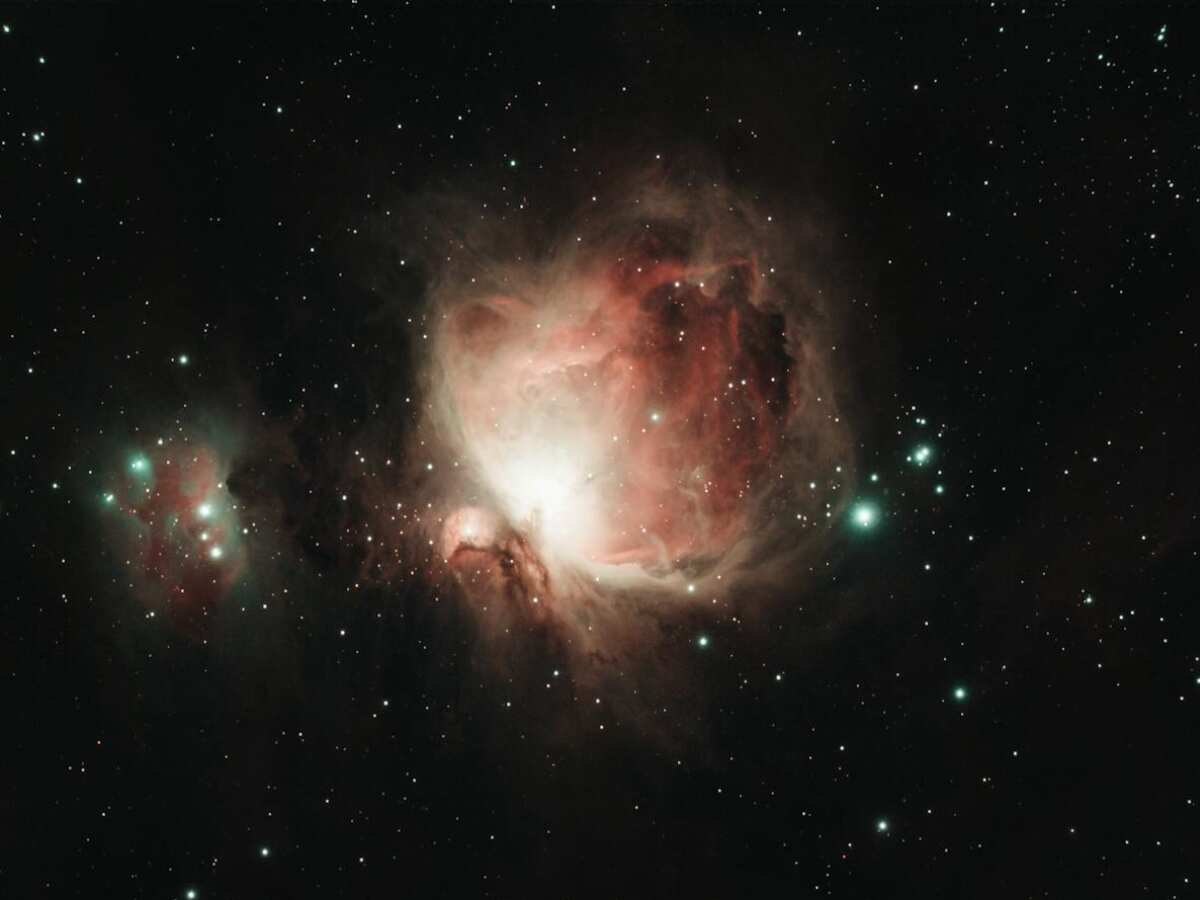
FRBs are enigmatic bursts of light that can momentarily surpass the brightness of an entire galaxy.
NASA’s X-ray telescopes recently observed “glitches” in a highly magnetic neutron star, or magnetar near the heart of the Milky Way. These glitches were so powerful that they accelerated the star’s spin speed and also helped slow down the neutron star (almost a dead star), which can be game-changing in understanding what goes inside a star.
Understanding what goes on within a magnetar may finally unveil how these strange bodies launch as Fast Radio Bursts (FRBs), say scientists.
FRBs are enigmatic bursts of light that can momentarily surpass the brightness of an entire galaxy. While scientists acknowledge the existence of these intense pulses, the exact reason behind their occurrence remains unknown.
Tracing and identifying the source of FRBs has posed a significant challenge due to their momentary nature. Until recently, all traced FRBs were found to originate from beyond our galaxy, complicating efforts to determine their origins.
Recent observations might help in understanding the origin of FRBs
In the recent discovery, the research team focused on studying SGR 1935+2154 (SGR 1935), which is considered the most active magnetar in our galaxy in the past decade.
Located approximately 30,000 light-years away from Earth, SGR 1935 was examined using both the Neutron Star Interior Composition Explorer (NICER) instrument aboard the International Space Station and the Nuclear Spectroscopic Telescope Array (NuSTAR) space telescope.
Also Read |Can ADHD traits actually have evolutionary benefits? New study reveals groundbreaking data
Utilising these instruments, the team identified two significant glitches associated with the magnetar, occurring approximately nine hours apart.
To put things into context, the interior of a magnetar is so dense that a teaspoon of its material would weigh about a billion tons on Earth!
Right in the middle of the two glitches, SGR 1935 emitted an FRB. Following both instances of increased rotation speed, the neutron star somehow returned to its usual rotation rate, prompting the team to find an explanation for it.
The research team suggests that the magnetar SGR 1935 returning to its normal speed is due to a brief but powerful wind originating from the star's magnetosphere. This wind carries away angular momentum, rapidly decelerating the star's rotation.
They propose that the same mechanism responsible for this wind also enhances the magnetar's X-ray emissions, potentially creating the magnetic conditions necessary for generating FRBs.
The groundbreaking study was published in the February 14 issue of the journal Nature.
Despite the valuable insights gained from recent observations on FRBs, there are still many unanswered questions. The complex interactions leading to the creation of FRBs remain a subject of intense research.
(With inputs from agencies)