Auditors say NASA's Artemis programme likely to be delayed by several years

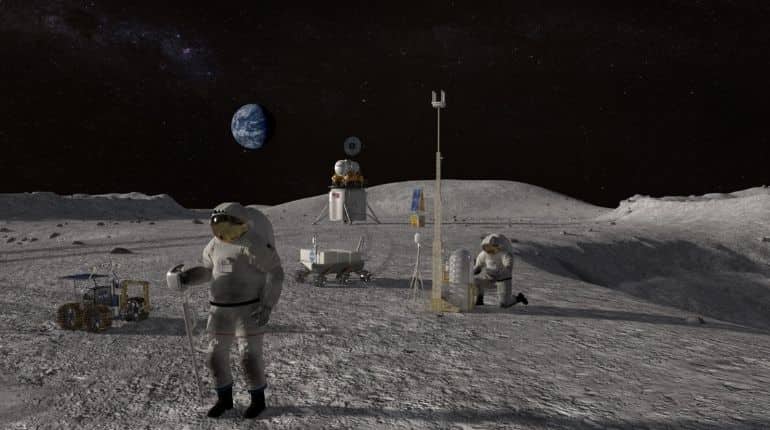
NASA's Artemis programme
In a major setback to NASA, its plan to send humans to the moon could be delayed by several years according to a new report.
The prediction has been made by the auditors of the US space agency's Artemis programme.
It highlights how NASA's most ambitious and costly activity is facing hurdles such as schedule, procurement, technical, and funding risks.
The report states ''Given the time needed to develop and fully test the HLS and new spacesuits, we project NASA will exceed its current timetable for landing humans on the Moon in late 2024 by several years.''
It will cost as much as $93 billion by the fiscal year 2025, according to the report's estimates, with a cost per launch of $4.1 billion for the first four missions.
Meanwhile, SpaceX founder Elon Musk has said that the Starship developed by his company and selected by NASA for the Americans' return to the Moon would attempt its first orbital flight early next year.
It is significant because NASA is betting on Starship to become the lander used as part of its Artemis program to take humans back to the Moon, in 2025 at the earliest.
It comes after NASA chief Bill Nelson said ''We lost nearly seven months in litigation and that likely has pushed the first human landing likely to no earlier than 2025.''
NASA announced in May that it plans to land Americans back on the moon by 2024 with the Artemis initiative, named after Apollo's twin sister who was goddess of the hunt and the moon.
(With inputs from agencies)