Which countries around the world operate Black Hawk helicopters today?

The helicopter’s longevity is attributed to its adaptable airframe, which has transitioned from a tactical transport vehicle into a sophisticated multi-mission asset capable of electronic warfare, search and rescue, and precision assault.
A half-century of aerial dominance
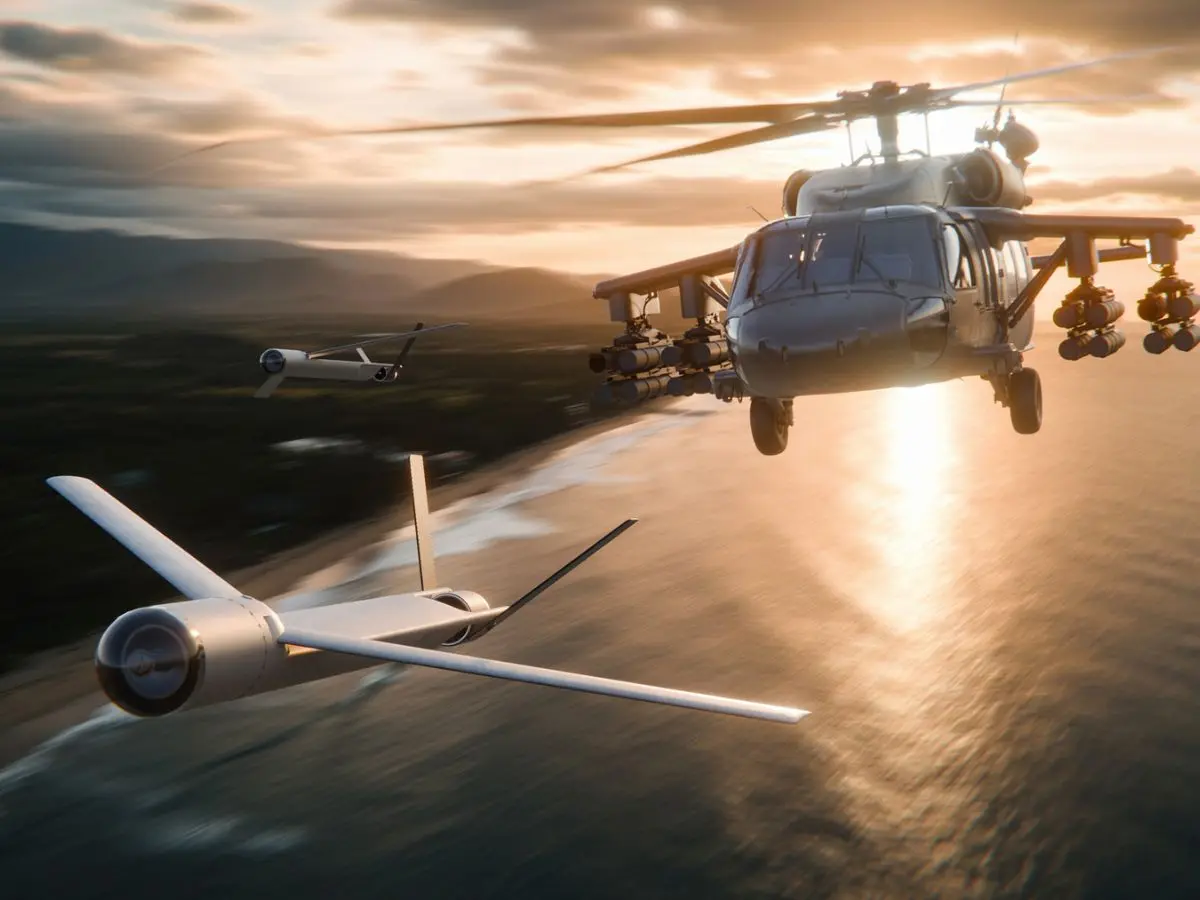
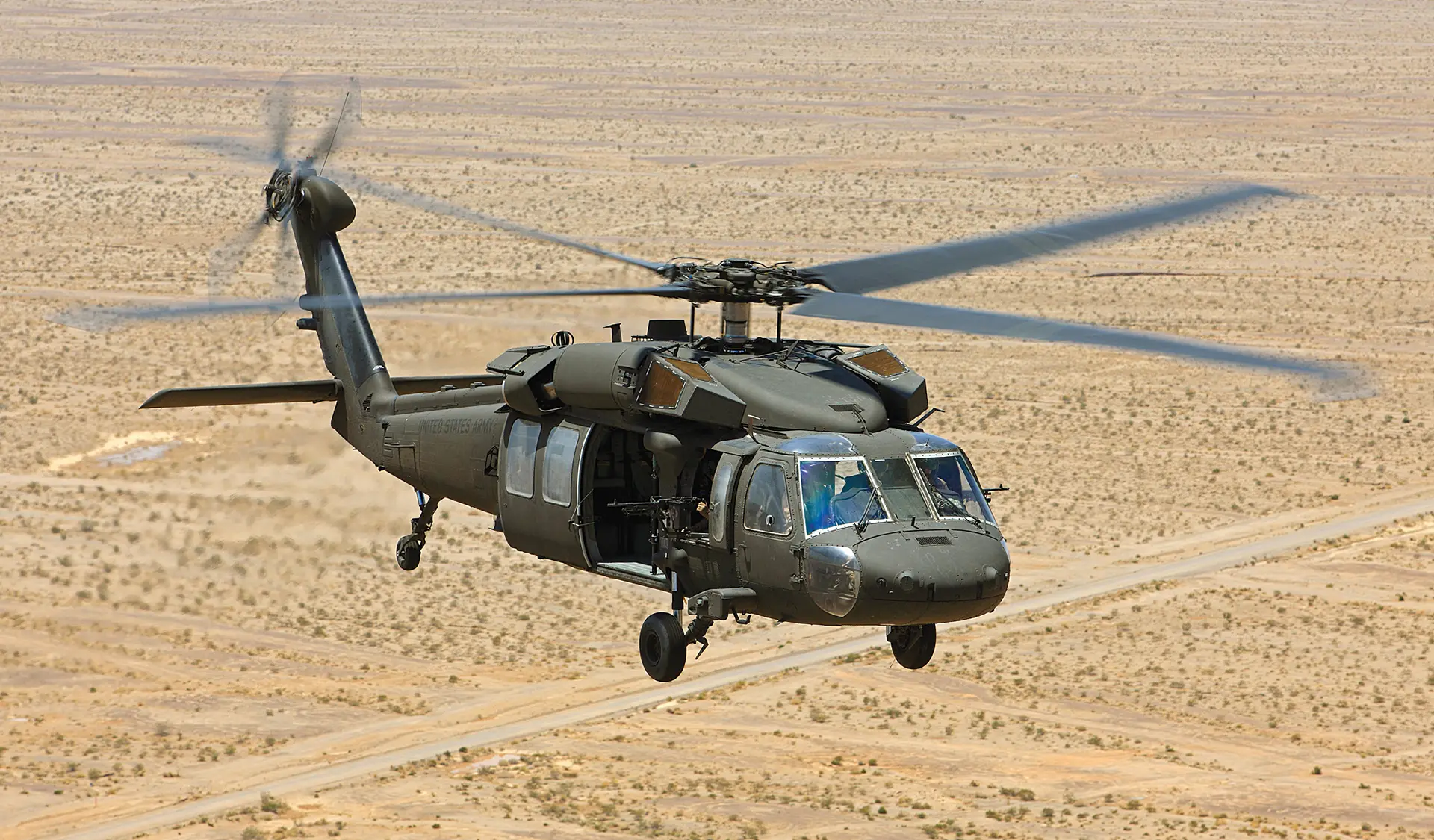
The Sikorsky Black Hawk has established itself as the pre-eminent multi-role combat helicopter of the modern era. According to official data from Lockheed Martin, the platform has surpassed 15 million total fleet flight hours, a testament to its ubiquitous presence in global military operations. As the aircraft marks its fiftieth year of service, it continues to serve as the backbone of vertical lift for dozens of nations. The helicopter’s longevity is attributed to its adaptable airframe, which has transitioned from a tactical transport vehicle into a sophisticated multi-mission asset capable of electronic warfare, search and rescue, and precision assault.
Origin and the 1972 Requirement
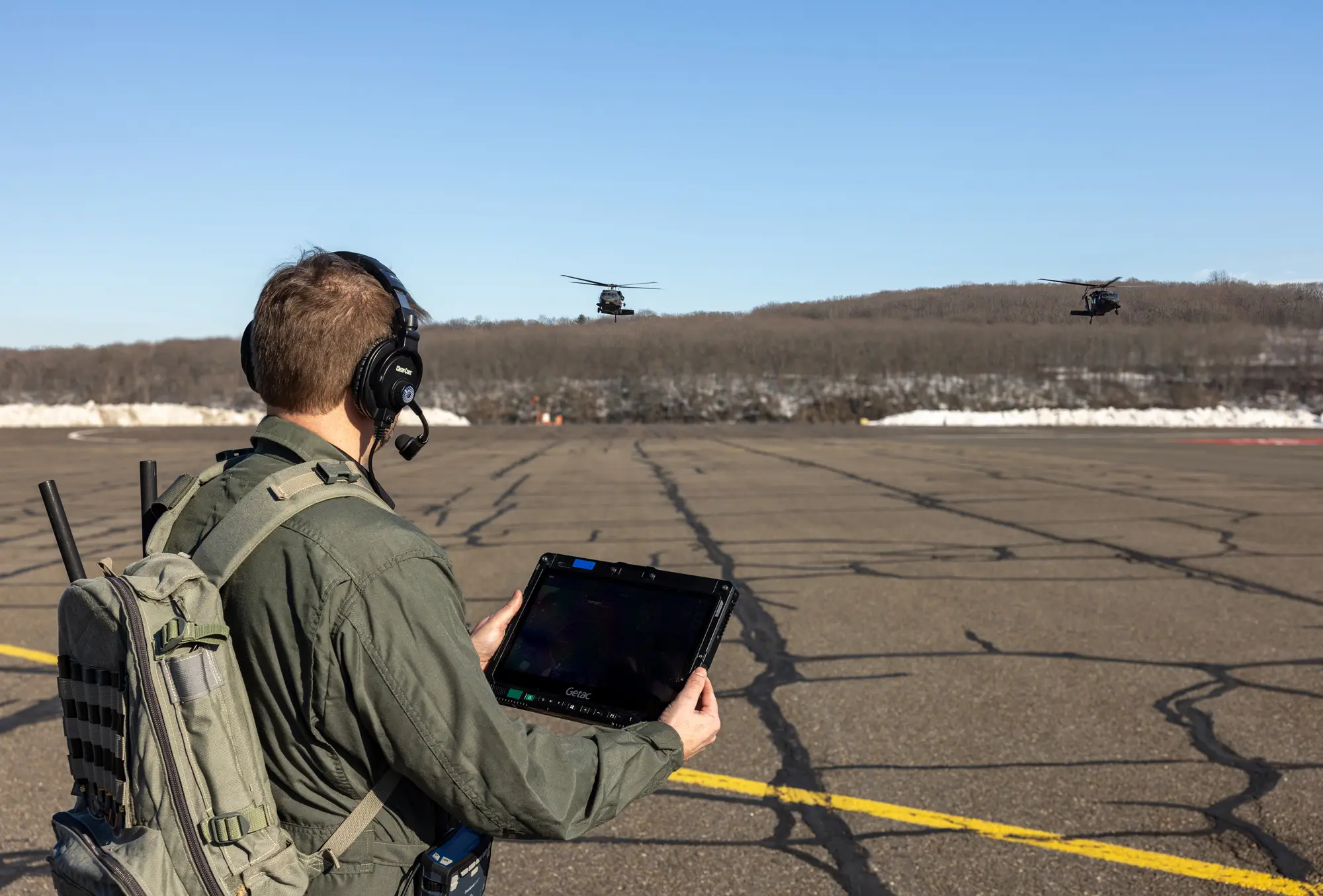
The Black Hawk was born from a specific 1972 US Army requirement for a "simple, robust, and reliable utility helicopter system." Designed to satisfy projected air-mobile requirements globally, the platform was built to endure the rigours of modern combat. The initial deliveries were made to the prestigious aviation components of the 101st and 82nd Airborne Divisions.
Thirty-five nations and counting
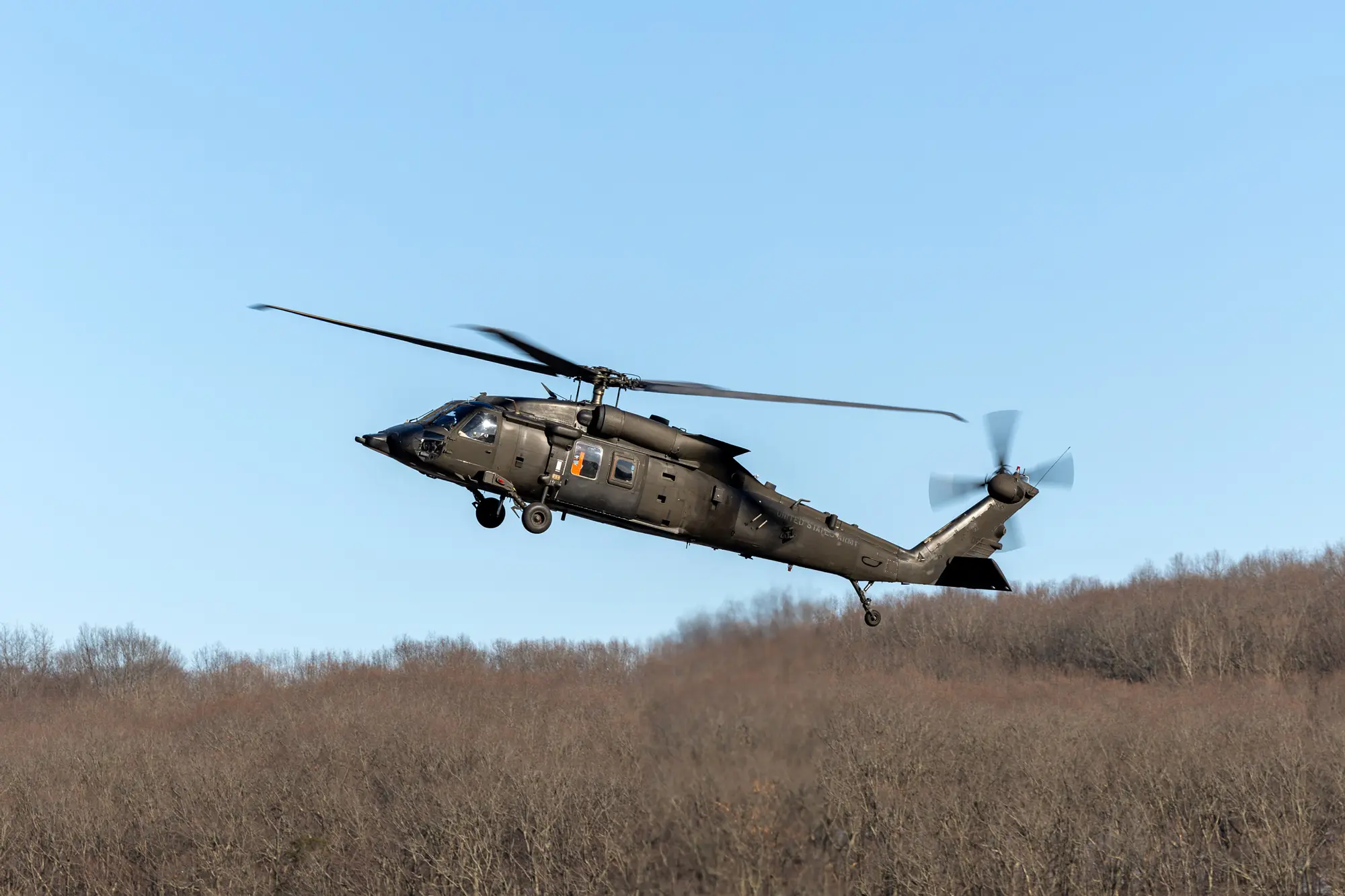
Current data confirms that the Black Hawk is operated by 30-35 nations across the globe. This international coalition of users ensures that the platform remains the most widely utilised tactical helicopter in its class. These operators span every inhabited continent, ranging from NATO allies to major non-NATO partners in the Indo-Pacific and Middle East. Lockheed Martin notes that the global fleet currently exceeds 4,000 aircraft in service, a figure that continues to grow as newer variants, such as the UH-60M, are inducted to replace ageing legacy models.
The United States Army foundation
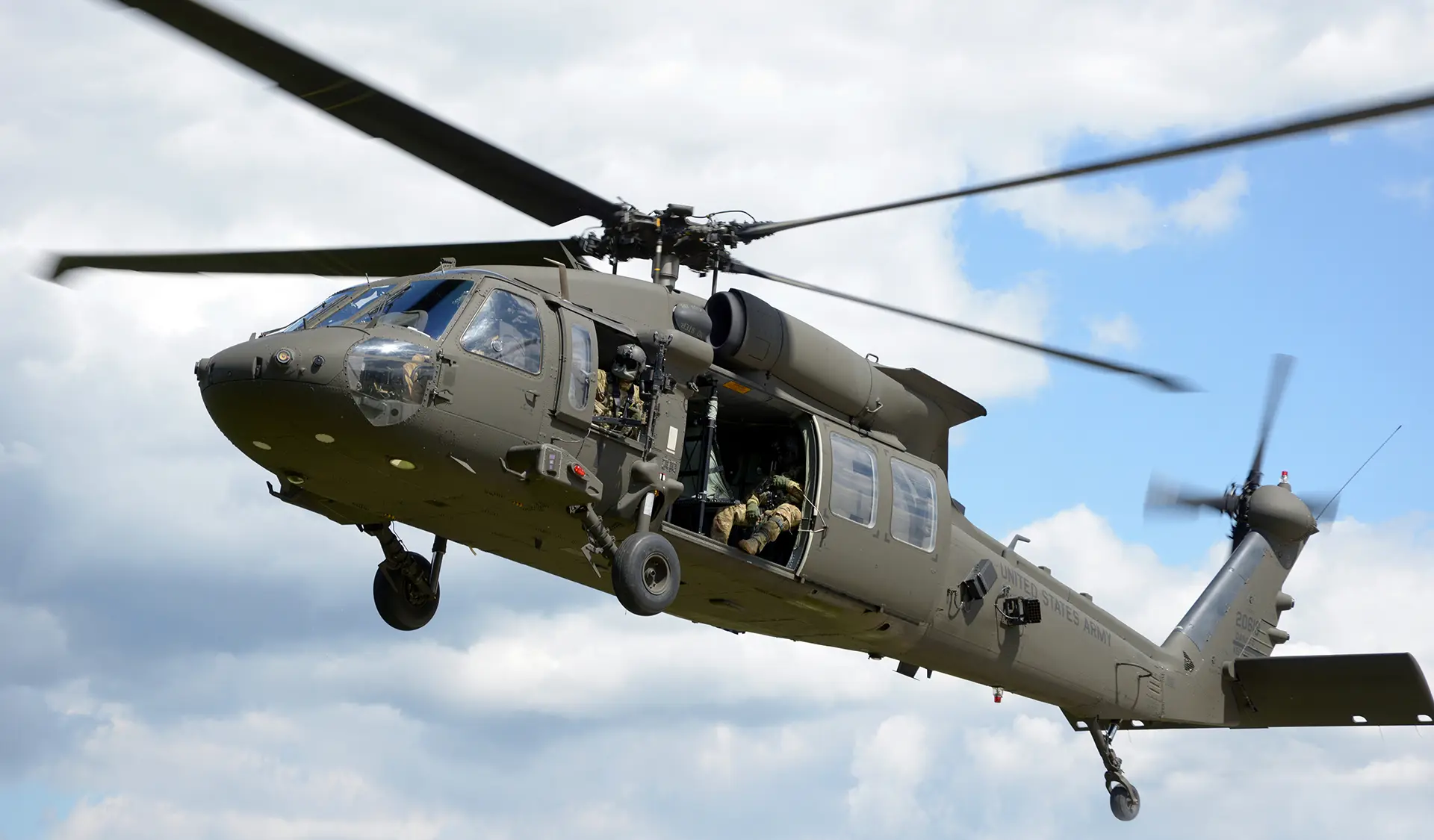
According to the Army Program Executive Office for Aviation, the UH-60 Black Hawk constitutes the Army’s largest rotary-wing fleet. Today, this inventory consists of more than 1,978- 2,100 airframes. This massive inventory represents the largest concentration of Black Hawks globally, serving as the foundational testbed for the platform's continuous upgrades.
Modernisation and the Transition to UH-60V
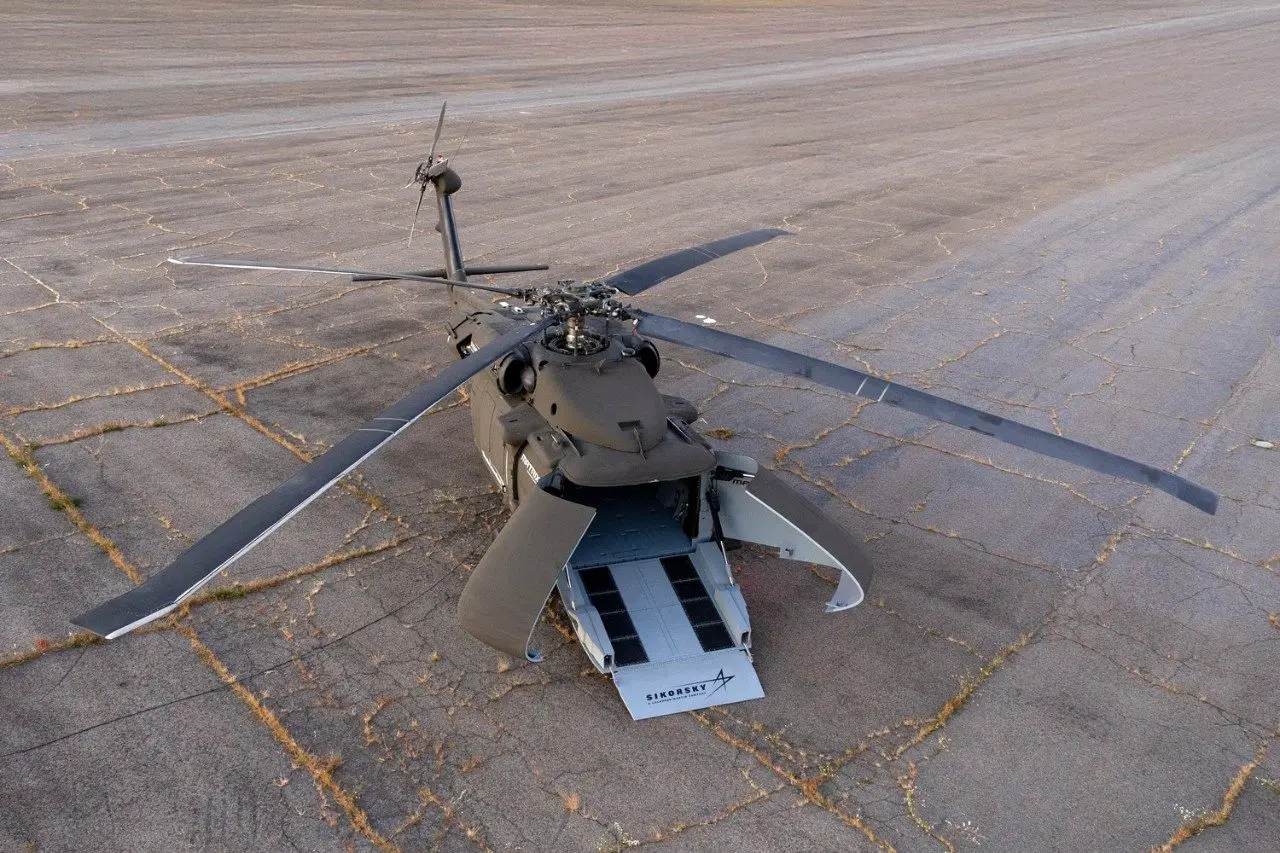
The US Army is currently undergoing a significant fleet transformation. While production of the most current H-60M model continues, the service is systematically divesting its remaining legacy UH-60A and L aircraft. These older models are slated to be replaced by UH-60M and 760 UH-60V helicopters, a modernised variant that introduces a digital cockpit to older airframes to ensure they remain relevant in a high-tech battlespace.
Industrial cooperation and local production
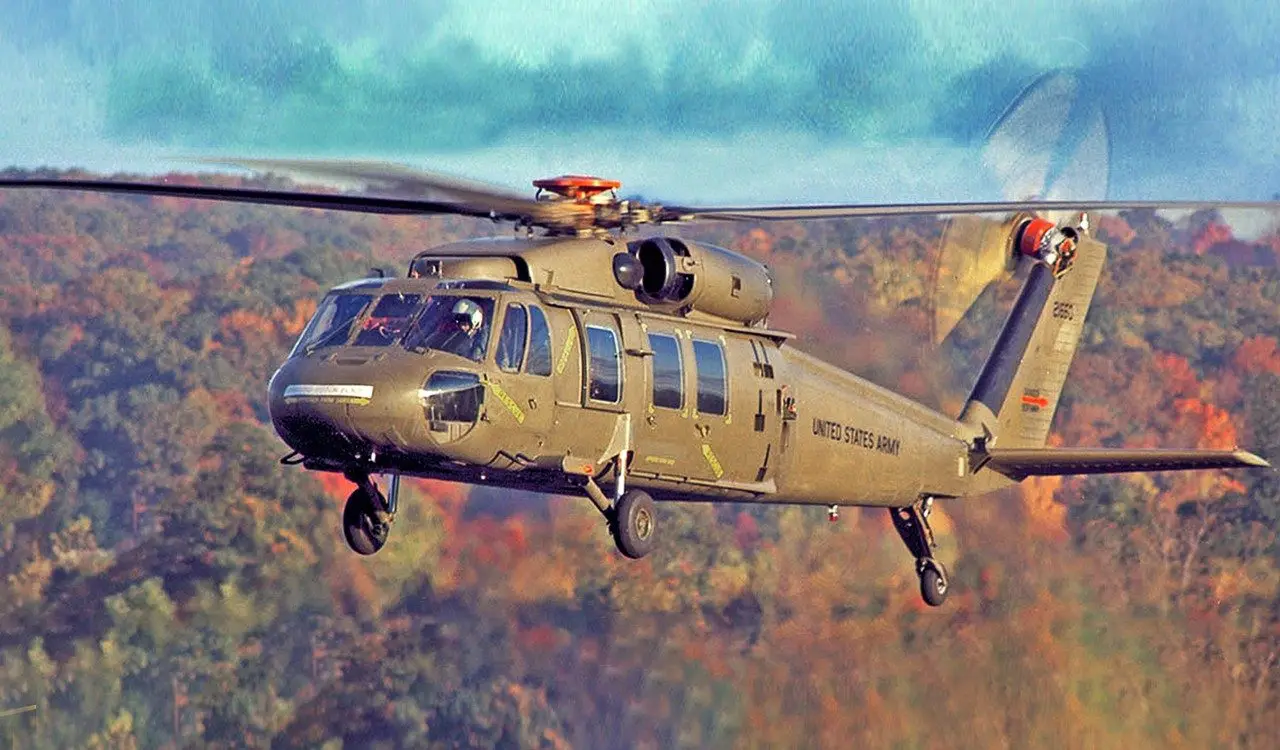
The aircraft has evolved far beyond its original 1974 design, now supporting a vast array of specialised missions. In addition to standard troop transport, specific variants are equipped for medical evacuation (MEDEVAC), firefighting, and executive transport. These technical advancements allow the operating countries to maintain a common logistical framework while executing vastly different national security objectives, from border security to disaster relief.
Strategic expansion in Europe
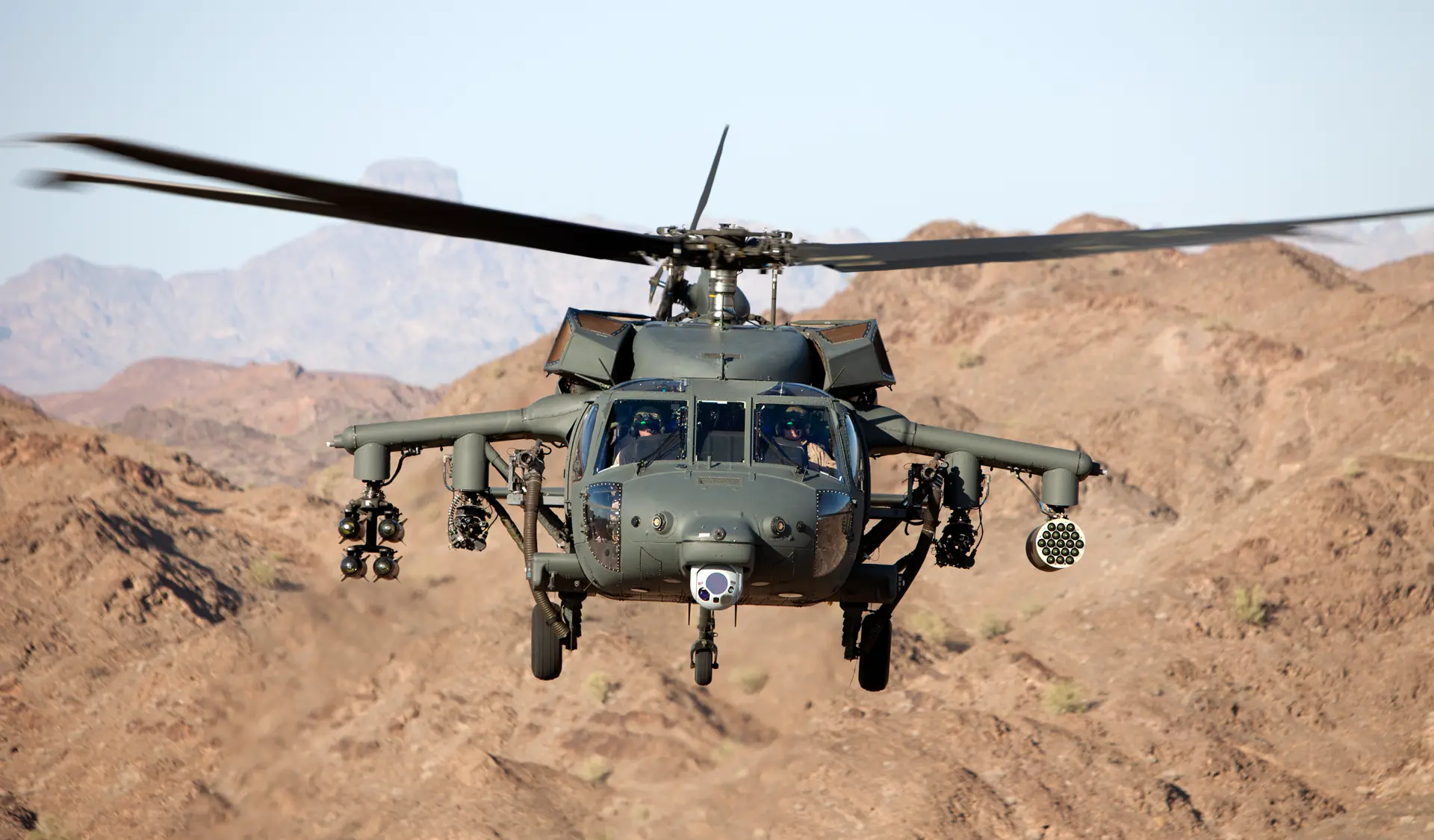
Beyond the United States, the Black Hawk has seen significant recent adoption within Europe and Asia. Nations such as Poland and Romania have integrated the S-70 variant, the international version of the Black Hawk, produced by PZL Mielec.
Asian countries
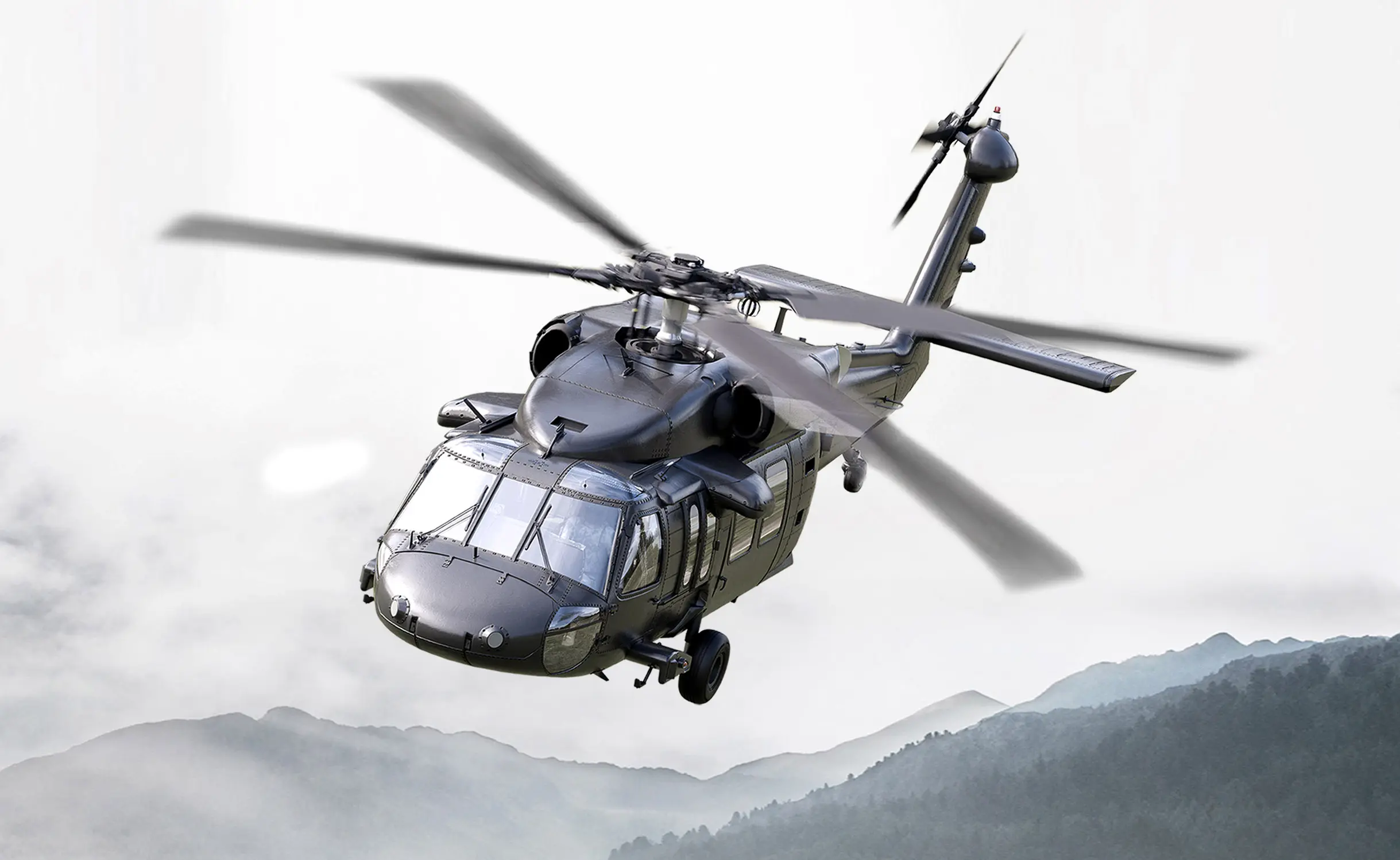
In the Indo-Pacific, countries like Japan, South Korea, and Taiwan operate extensive fleets for maritime surveillance and territorial defence. The platform’s ability to operate in diverse climates, from the humid jungles of Southeast Asia to the frigid environments of Northern Europe, remains a primary factor in its selection by diverse ministries of defence.
Recent Acquisitions and key operators
According to open-source defense data and official procurement records, the Black Hawk’s operational footprint is anchored by countries include Colombia, Mexico, Brazil, Saudi Arabia. Countries like Croatia, Romania, Austria, and Sweden are listed as recent users or have active contracts for new UH-60M variants.
)
)
)
)
)