'Any indication of damage...': IAEA issues statement after Iran hits Israel's Dimona nuclear facility town

The IAEA urged “maximum restraint” after a reported Iranian missile strike near Dimona, home to Israel’s nuclear facility. No damage or radiation was detected. Israel reported over 70 injuries. Iran called it retaliation for Natanz, while Israel denied striking the site.
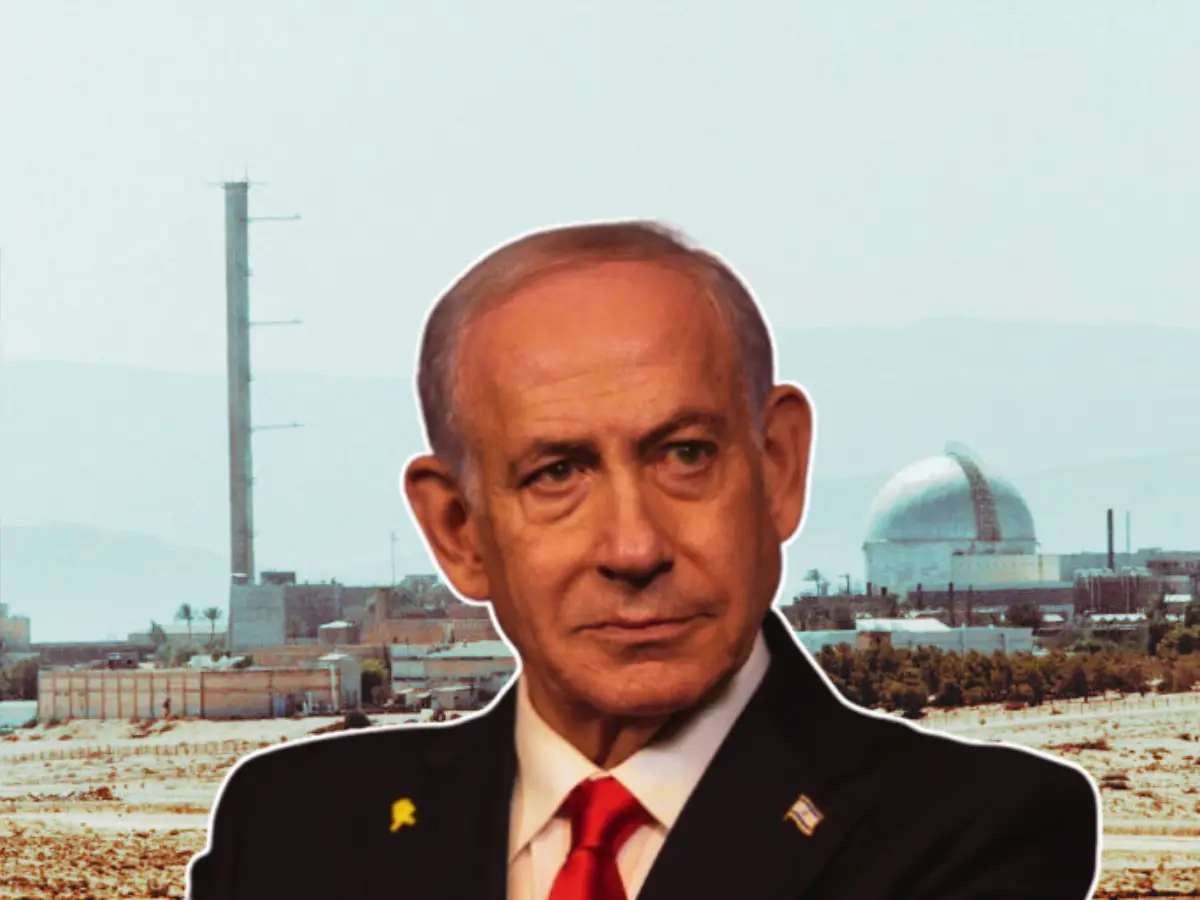
IAEA urges restraint after Iran strike near Dimona
The International Atomic Energy Agency (IAEA) said it did not receive any indication of damage to the nuclear research centre Negev in Israel. Iranian missile had hit Dimona, a southern town hosting Israel's nuclear facility, earlier on Sunday. In a post on X, the IAEA said, "The IAEA is aware of reports of an incident in the city of Dimona, Israel, involving a missile impact and has not received any indication of damage to the nuclear research centre Negev. Information from regional States indicates that no abnormal radiation levels have been detected." Director General of the IAEA, Rafael Mariano Grossi, called for maximum military restraint. "Closely monitoring the situation, Director General Rafael Grossi stressed that 'maximum military restraint should be observed, in particular in the vicinity of nuclear facilities."
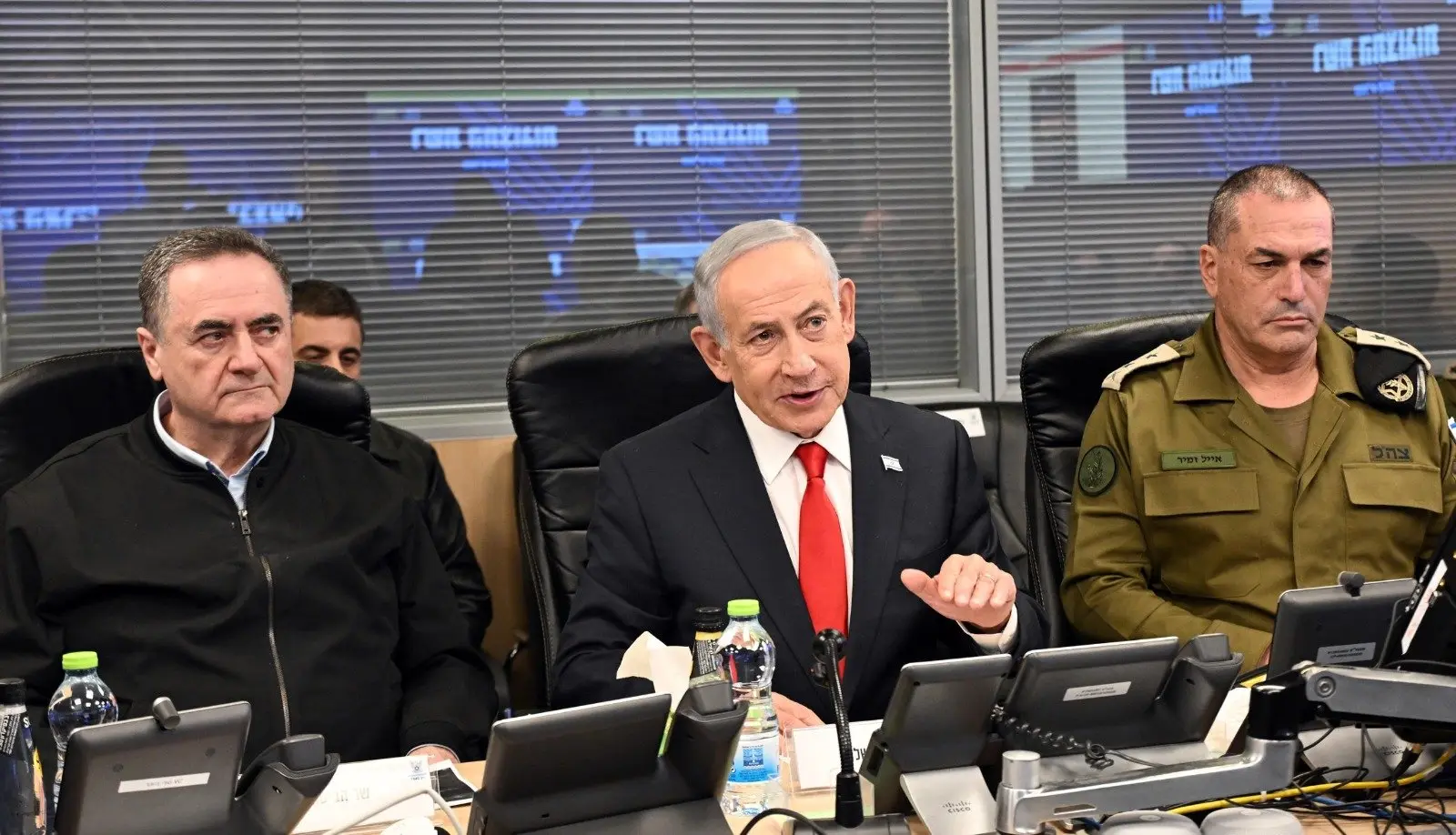
How Netanyahu reacted to the strike?
Iran said it targeted Dimona as a "response" to an earlier strike on the Natanz nuclear enrichment site. The Israel Defense Forces said it was not responsible for striking Natanz, as per The Times of Israel. Netanyahu said in a post on X, “This is a very difficult evening in the campaign for our future.” He also spoke to Dimona Mayor Benny Biton and Rishon LeZion Mayor Raz Kinstlich. 12-year-old boy has been seriously injured, and over 60 wounded.
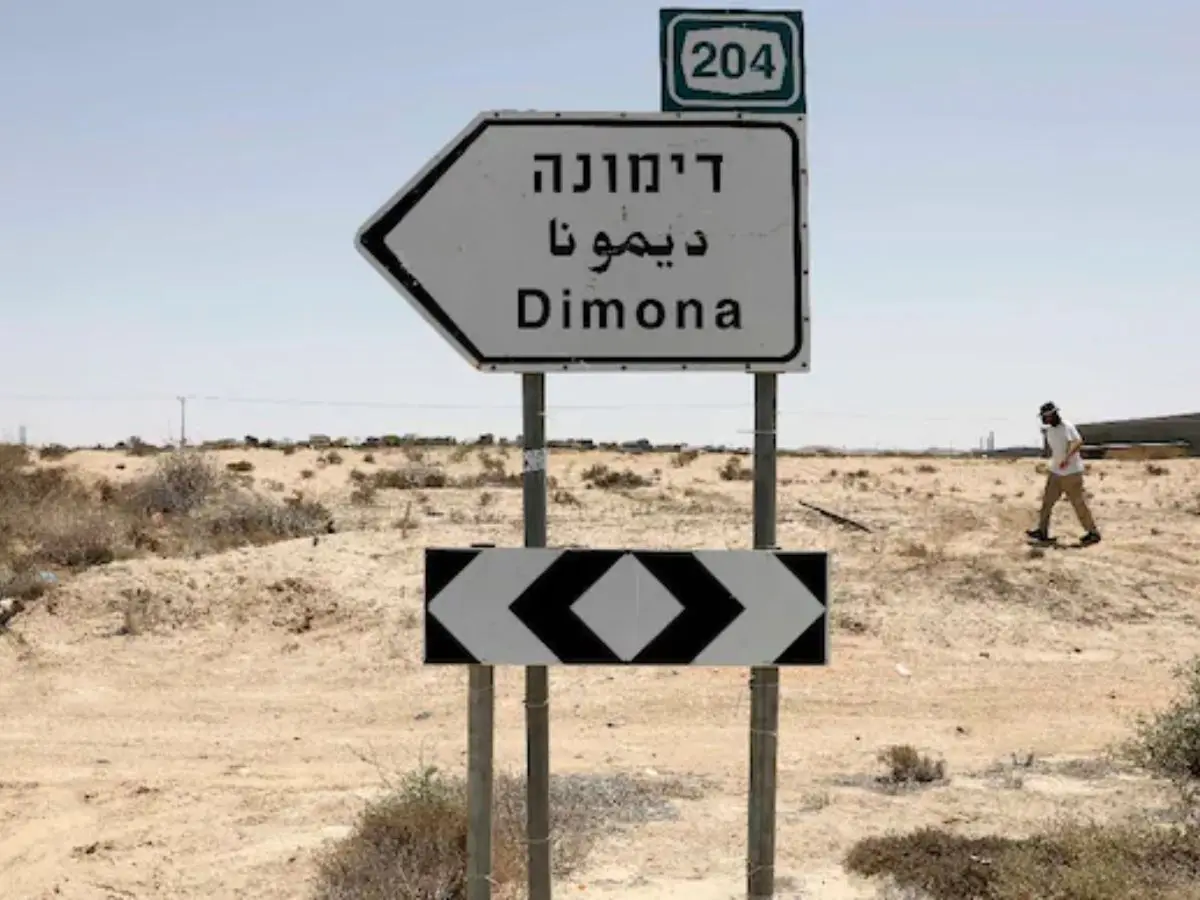
Where is Dimona nuclear site?
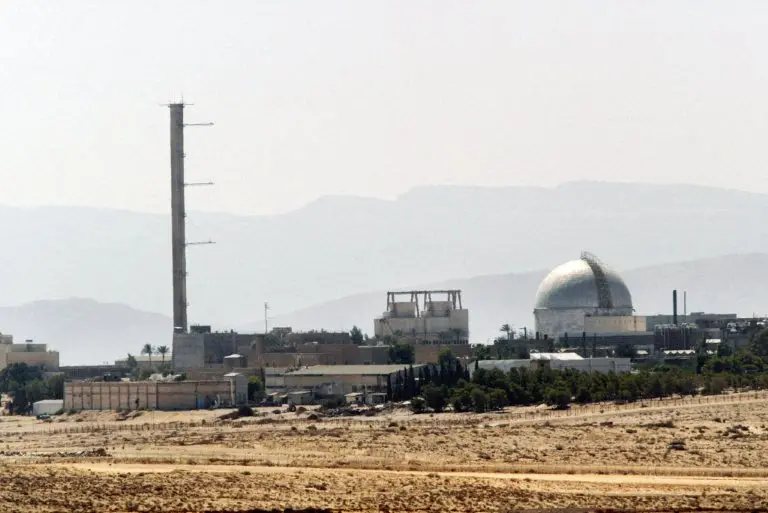
The Shimon Peres Negev Nuclear Research Center, widely known as the Dimona nuclear site, is situated in Israel’s southern Negev Desert. It lies about 30 km southeast of Beersheba, the region’s largest city, around 25 km west of the Jordanian border, and roughly 75 km east of the Egyptian border.
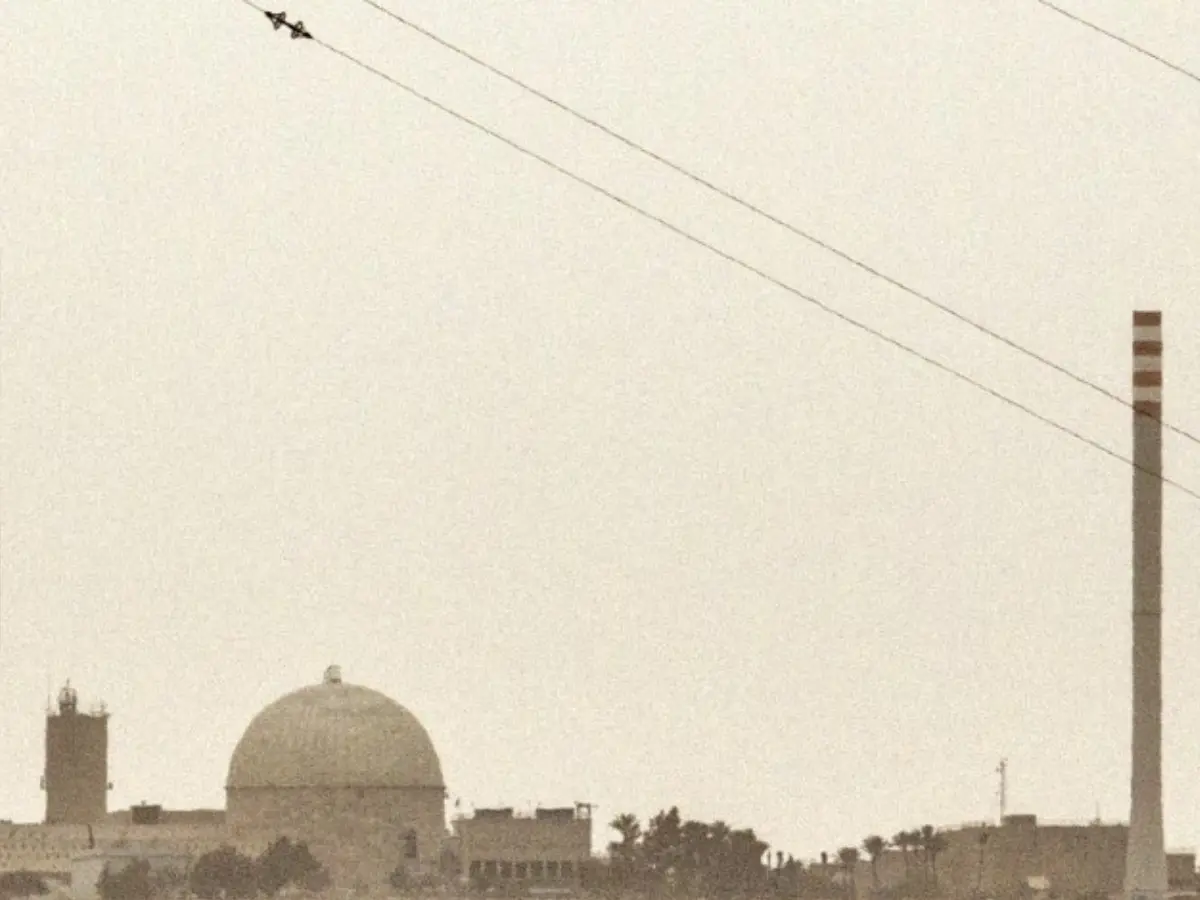
What is the importance of Dimona nuclear site?
Although officially described as a research facility, the Dimona site is widely believed to be the core of Israel’s nuclear weapons programme. It is among the country’s most secure and strategically sensitive locations. Reports suggest construction began in 1958, with its heavy-water reactor becoming operational between 1962 and 1964, enabling the production of plutonium used in nuclear weapons.
Dimona operated in coordination with RAFAEL Advanced Defense Systems, established in 1958 to advance the weaponisation of nuclear technology. Over time, it evolved into the primary hub for nuclear research, development, and production.
When was Dimona's secrets revealed?
The site remained highly secretive until 1986, when former technician Mordechai Vanunu—who worked there between 1977 and 1985—revealed details and photographs that exposed the extent of Israel’s nuclear capabilities. Israel is not a signatory to the Nuclear Non-Proliferation Treaty (NPT), leaving the Dimona facility beyond the inspection mandate of the IAEA.
How far is it main cities in Israel?
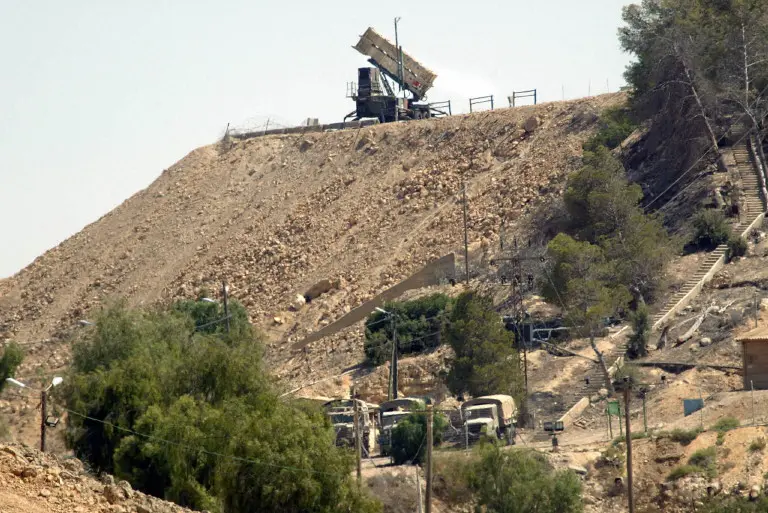
It is located approximately 80–85 km (50–53 miles) to the north is Jerusalem. Approximately 115–140 km (71–87 miles) to the northwest from this facility is Tel Aviv. Any attack on Dimona would pose extreme risk of radiological fallout affecting not just Israel, but also neighboring countries like Jordan. Dimona is one of the most protected sites in the world, defended by a priority shield of Arrow-2, Arrow-3, and David's Sling. Reports indicate that Israel has also deployed the Iron Beam laser system in combat for the first time.
(Disclaimer: WION takes utmost care to accurately and responsibly report ongoing conflicts in West Asia involving Israel, Iran, US, Gulf nations and non-state actors like Hezbollah, Hamas, Houthis, Islamic State, and others. Claims and counterclaims, disinformation and misinformation are being made online and offline. Given this context, WION cannot independently verify the authenticity of all statements, social media posts, photos and videos.)
)
)
)
)
)