Top 7 countries with largest metro networks: How India stands out globally

Metro networks have emerged as a primary mode of urban mobility in the 21st century, driven by rapid urbanisation, a focus away from private vehicles, and a need for an efficient, low-emission public transport system. Here are the top 7 countries leading the race.
China
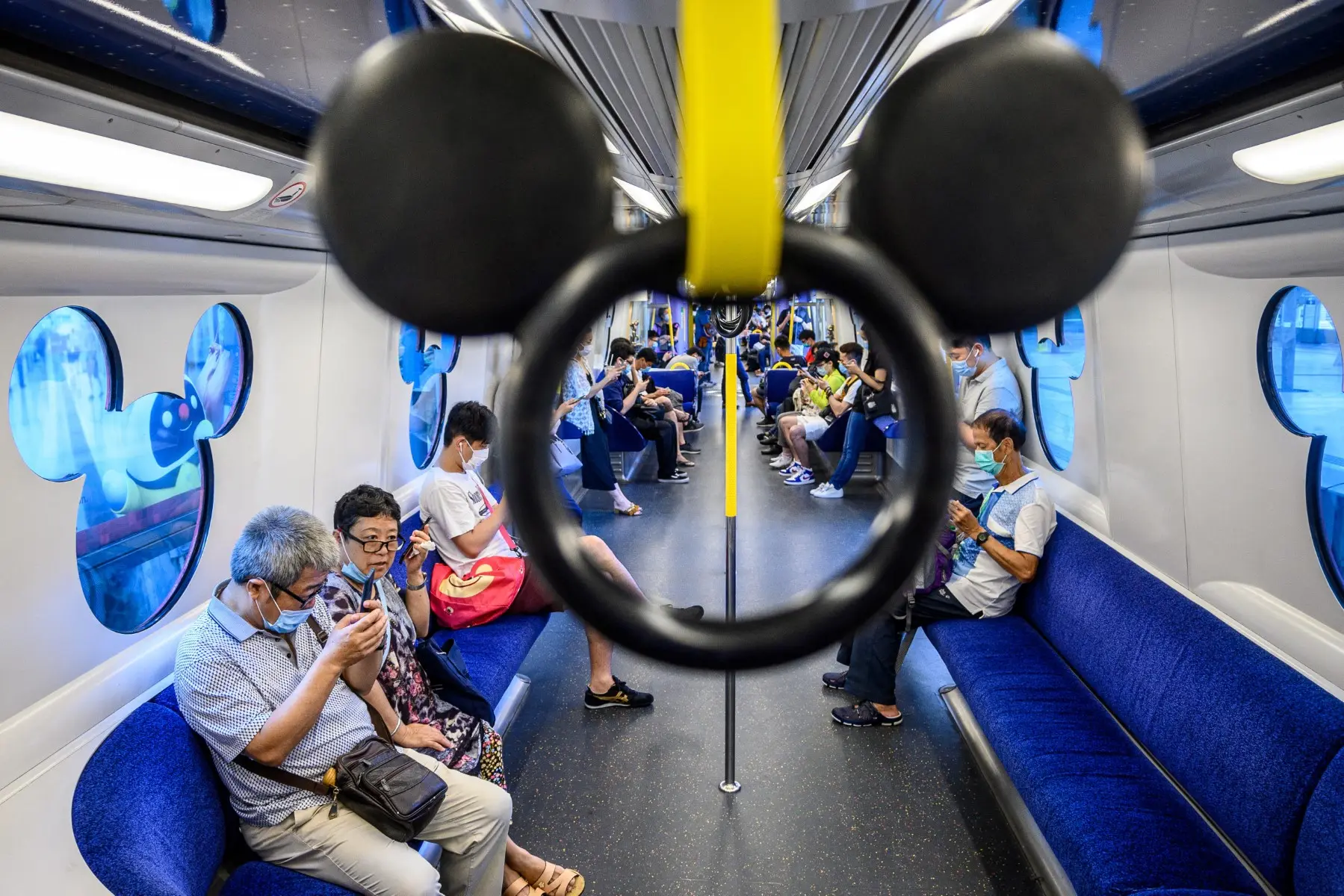
Based on the data from 2024 and 2025, China has the largest network of Metro rail, expanding to appx. 11,000 km to nearly 50 cities. Its rapid expansion is part of the New Urbanisation Plan of China. Shanghai, Beijing, and Guangzhou are at the heart of this mobility network. Beijing only has an 879 km-long metro network connecting 424 stations and over 3.6 billion annual commuters.

USA
The USA ranks second, but has a significantly smaller network compared to China. The US subway network has over 1,300- 1,500 kilometres of lines and is one of the oldest operating underground train networks. Newyork is the biggest in the US with over 424 stations, and serves around 2 billion people annually.
India
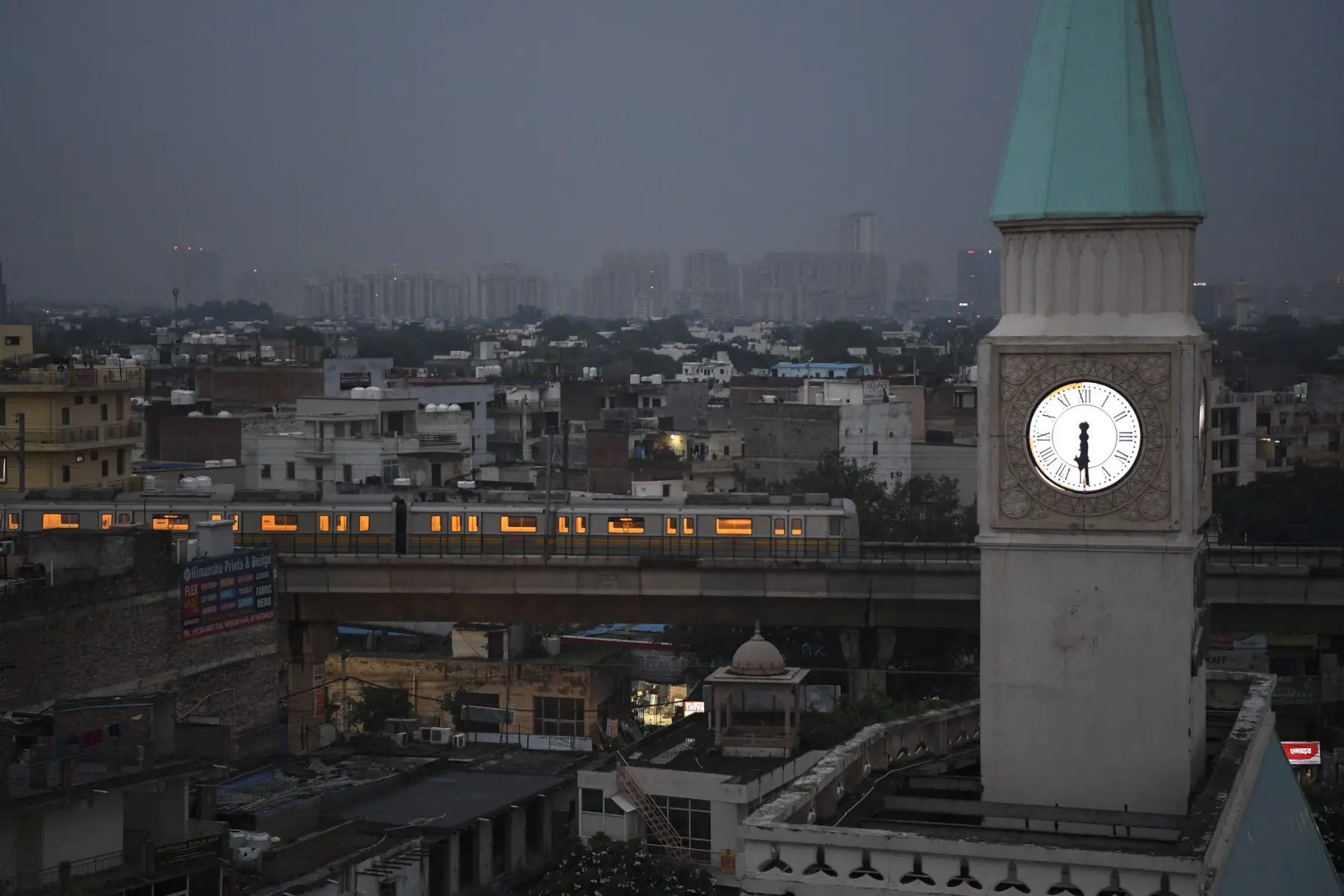
India is rapidly expanding its metro network. It is in the third with over 1300 km of metro line. New Delhi has the largest Metro network in India.
Japan
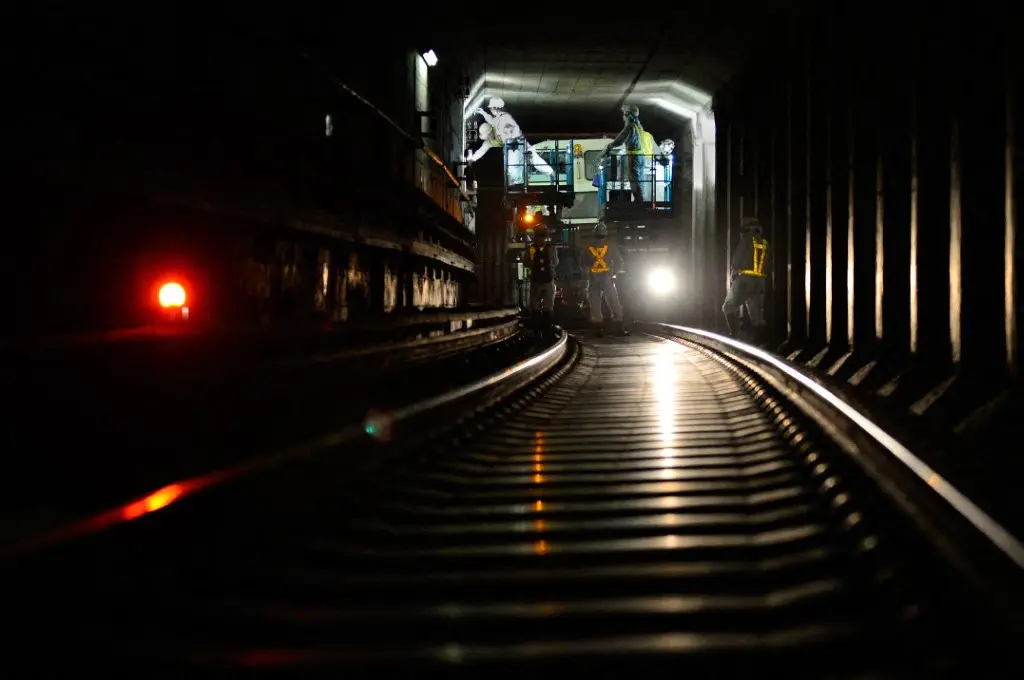
Known for its punctuality and efficiency, Japan's metro network covers nearly 900 km, with the largest systems in Tokyo and Osaka. Nearly a million commuters use the Tokyo metro, making it one of the busiest.
South Korea
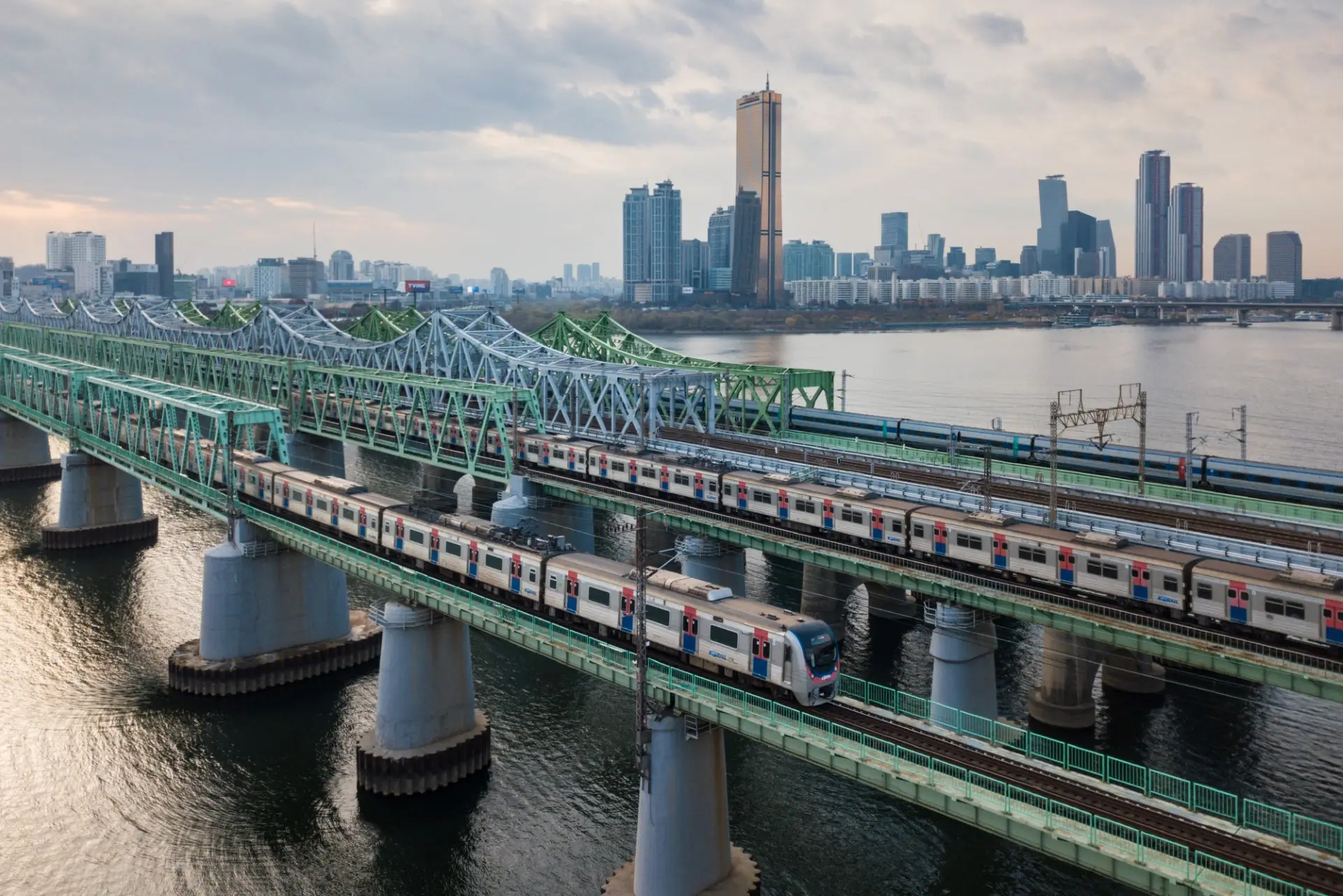
South Korea and its surrounding lines traverse 760 km. Seoul is one of the world's busiest and longest metro lines, travelling nearly 400km with approximately 2.3 billion annual commuters.

Russia
Moscow and Saint Petersburg lead Russia’s metro systems. It covers nearly 730 km of lines. The Moscow metro station is renowned for its architectural beauty.

Spain
Spain's metro network spans approximately 470 km, with major systems in cities like Madrid and Barcelona, offering efficient urban mobility to millions of residents.
)
)
)
)
)