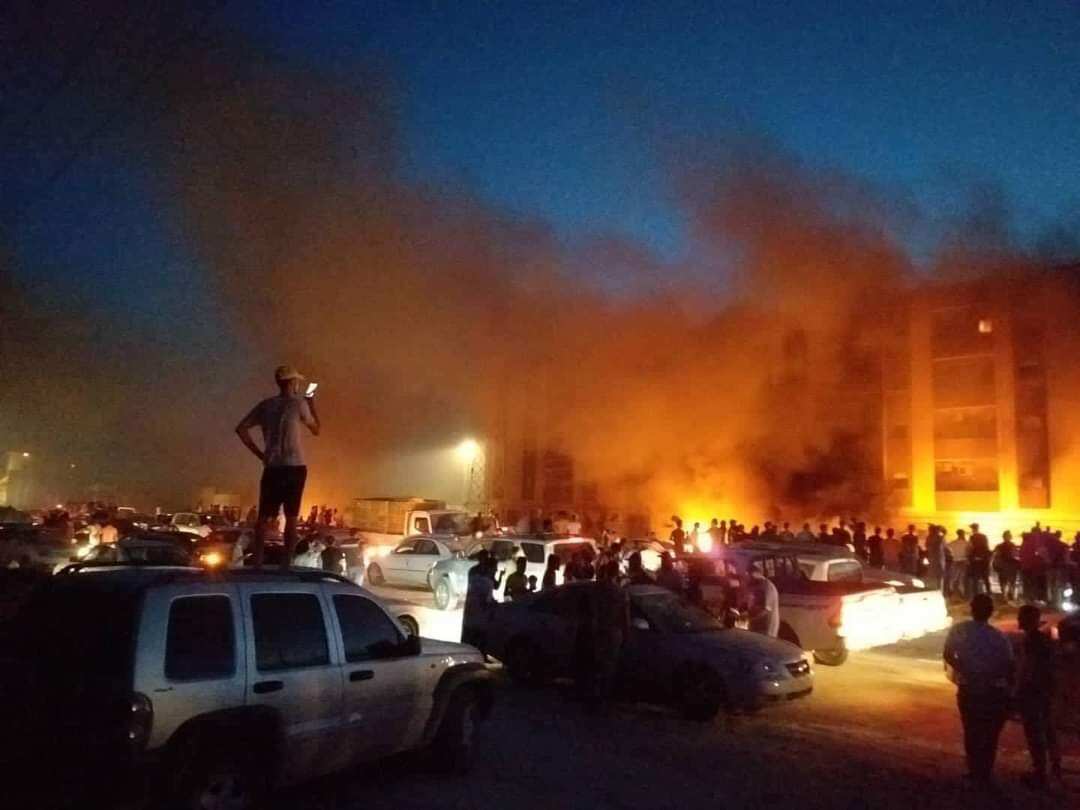
In pics: Protesters storm and set fire to Libyan parliament in Tobruk

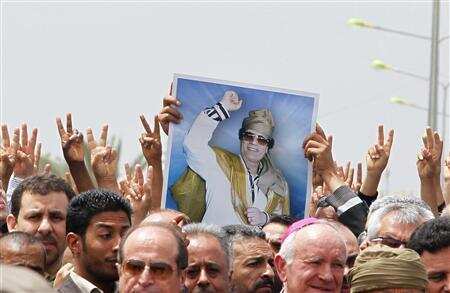
Popular revolution toppled dictator Moamer Kadhafi
Libya's House of Representatives has been based in Tobruk, more than 1,000 kilometres (600 miles) east of the capital Tripoli, since an east-west schism in 2014 that came three years after a mass popular revolution toppled dictator Moamer Kadhafi. A separate legislature, formally known as the High Council of State, is based in Tripoli as the oil-rich North African country remains divided between rival administrations vying for control.
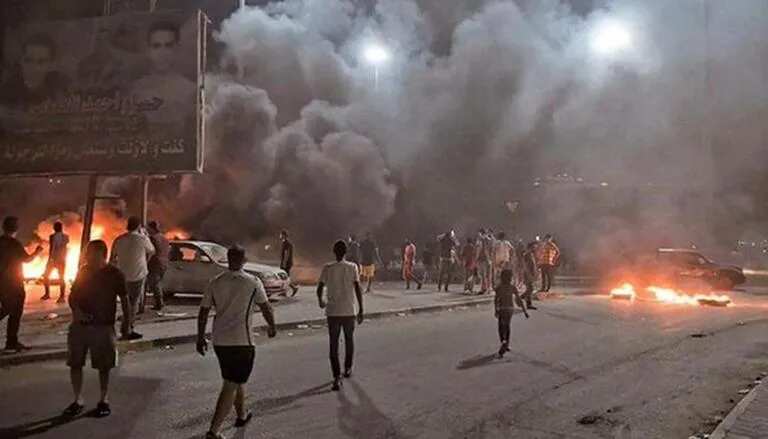
Blockade of key oil facilities amid the entrenched political rivalries
Libya, sweltering in the summer heat, has endured days of power cuts -- a situation worsened by the blockade of key oil facilities amid the entrenched political rivalries. "We want the lights to work," chanted protesters, some of whom were brandishing the green flags of the Kadhafi regime. The parliament condemned the "acts of vandalism and the burning" of its headquarters.
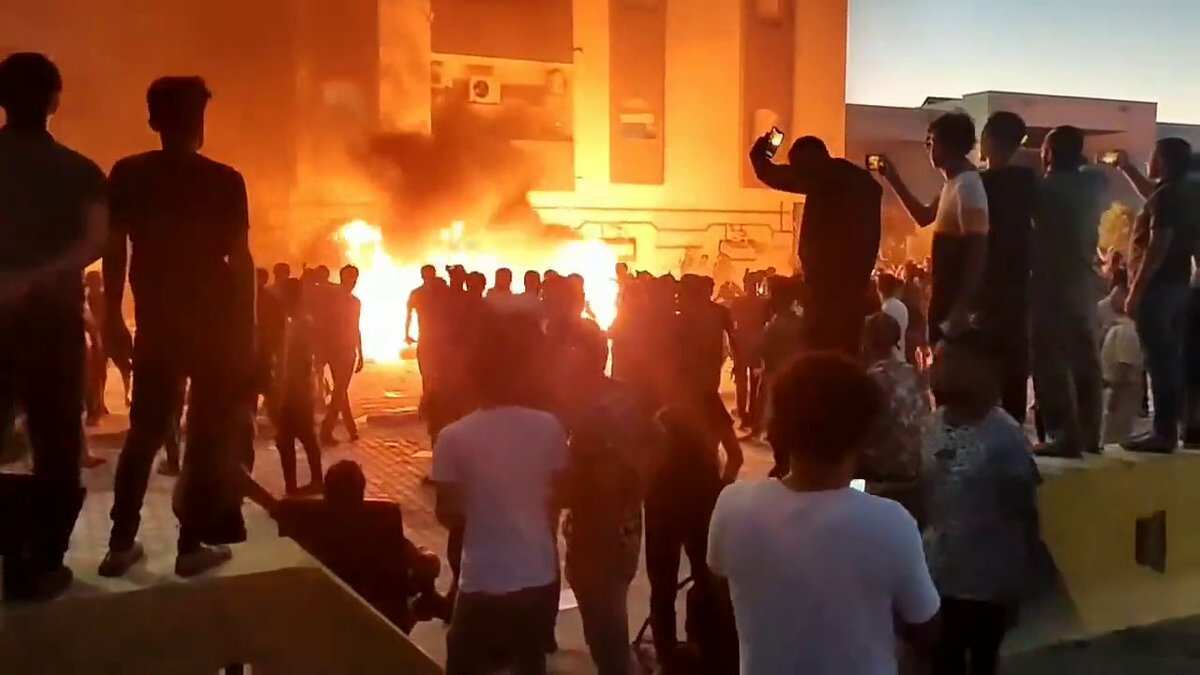
Abdulhamid Dbeibah voiced support
The interim prime minister of the Tripoli-based government, Abdulhamid Dbeibah, meanwhile voiced support for the protesters' concerns in a Twitter message.
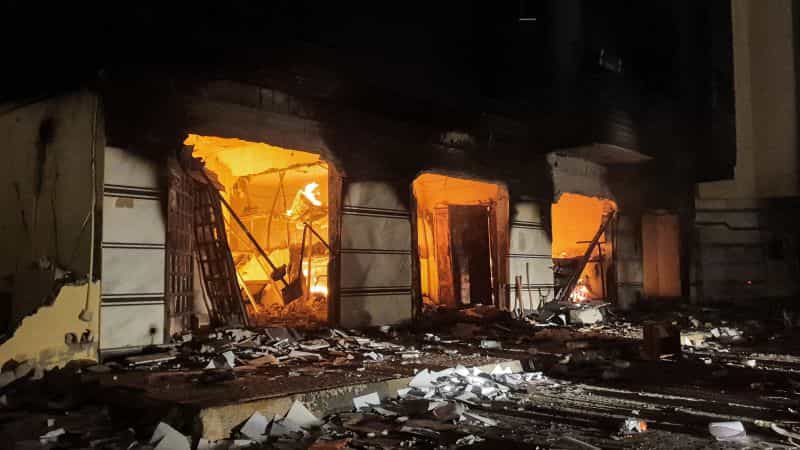
Things are escalating quickly
"Popular protests have erupted across Libya in exasperation at a collapsing quality of life, the entire political class who manufactured it, and the UN who indulged them over-delivering promised change," tweeted Tarek Megerisi of the European Council on Foreign Relations. "Things are escalating quickly and the response will define Libya's summer."
Losses of more than $3.5 billion
Libya's National Oil Corporation announced on Thursday losses of more than $3.5 billion from closures and declared force majeure on some sites, a measure freeing it of contractual obligations due to circumstances beyond its control.
)
)
)
)
)