In pics: No more sushi for Japan? Fatty 'katsuo' fish may foreshadow climate change, here's how

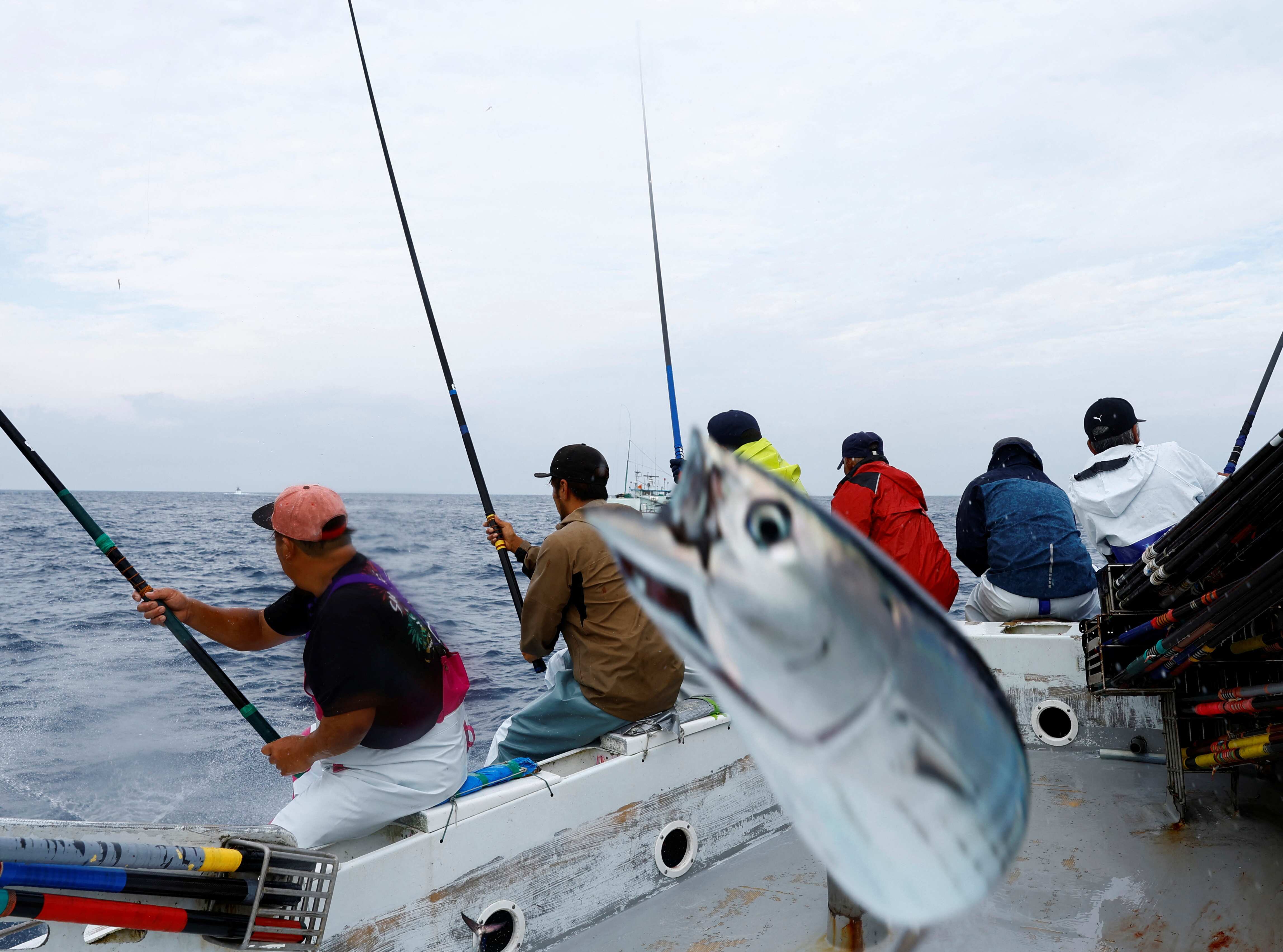
Never seen such fatty katsuo
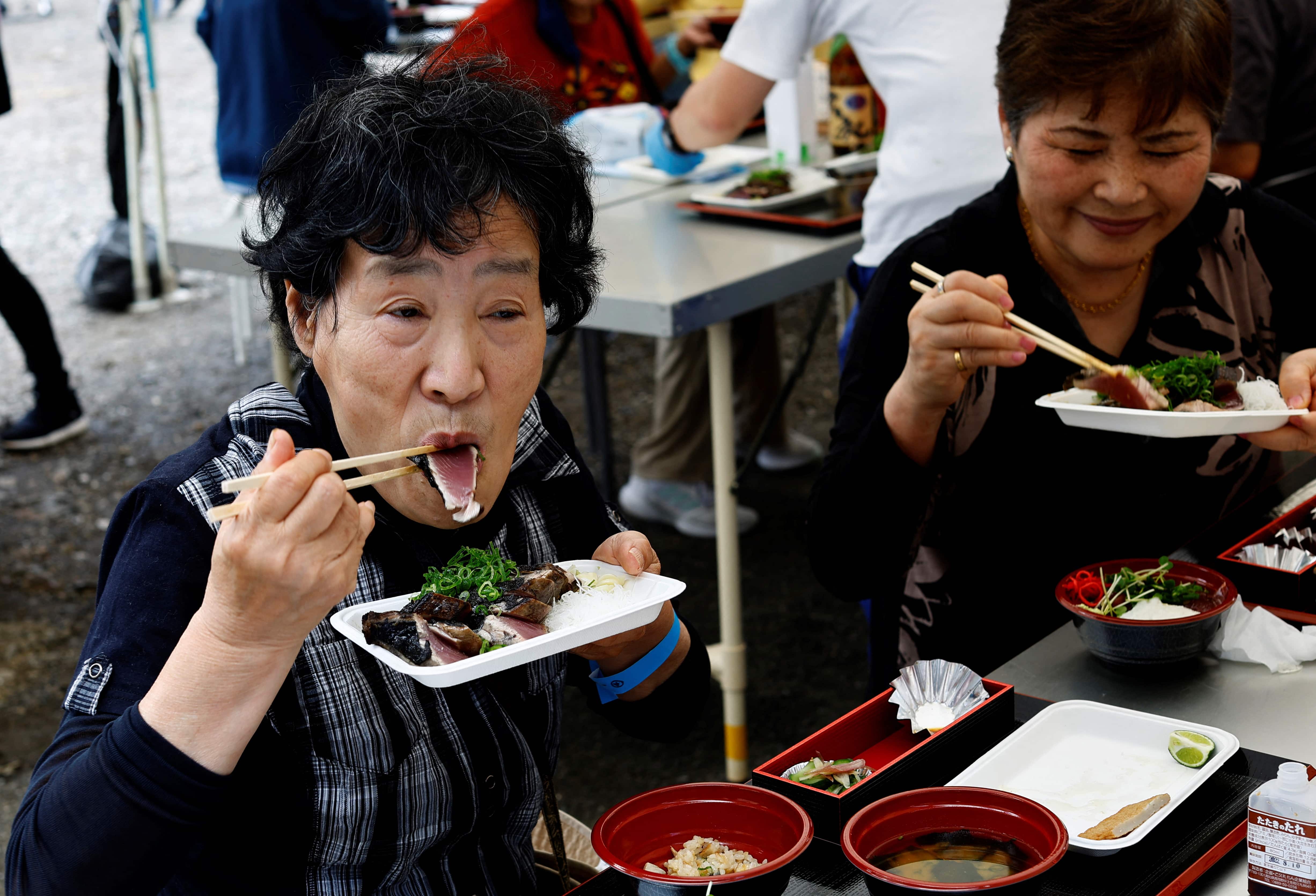
Noriaki Ito, the head chef at a century-old restaurant Tsukasa in Kochi City, said he too had "never seen such fatty katsuo during this season of the year". This is worrying as changes in the sea and climate have already wiped out some other fish "including a shellfish called chambara-gai that used to be Kochi's speciality", Ito added. Originally from tropical waters, some Pacific katsuo migrates northward on a warm ocean current every spring, making Kochi's arc-shaped bay a fertile fishing ground.
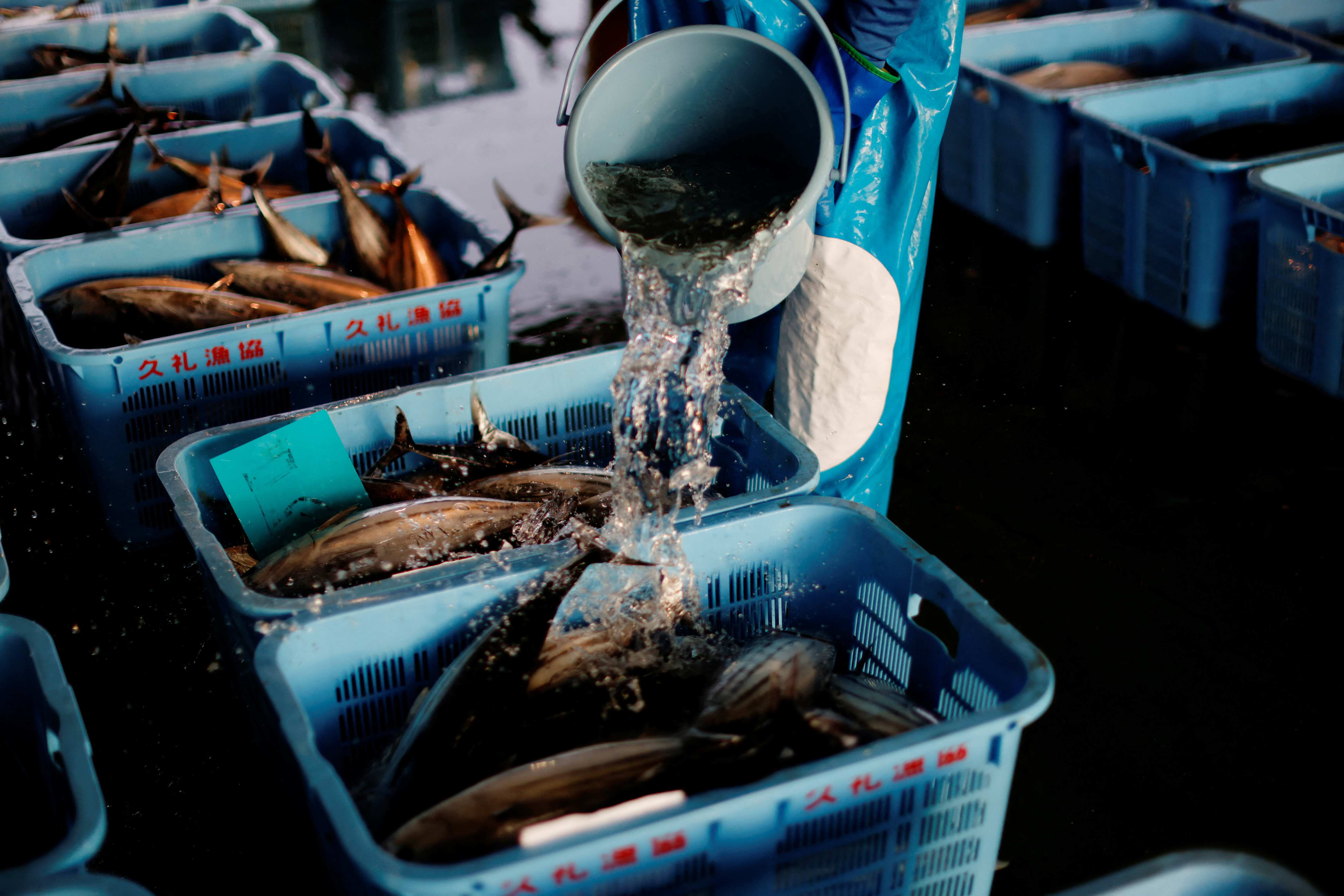
Ample prey in the warmer sea
The average surface temperature of the bay in winter has risen by 2 degrees Celsius in the four decades to 2015, local fisheries lab data shows, and the fatter katsuo may be due to ample prey in the warmer sea. But longer-term, this warming may prevent mineral-rich water from rising to the surface, resulting in a drop in plankton and smaller fish to feed on, leading to fewer katsuo, said Hideyuki Ukeda, an agro scientist and vice president of Kochi University.
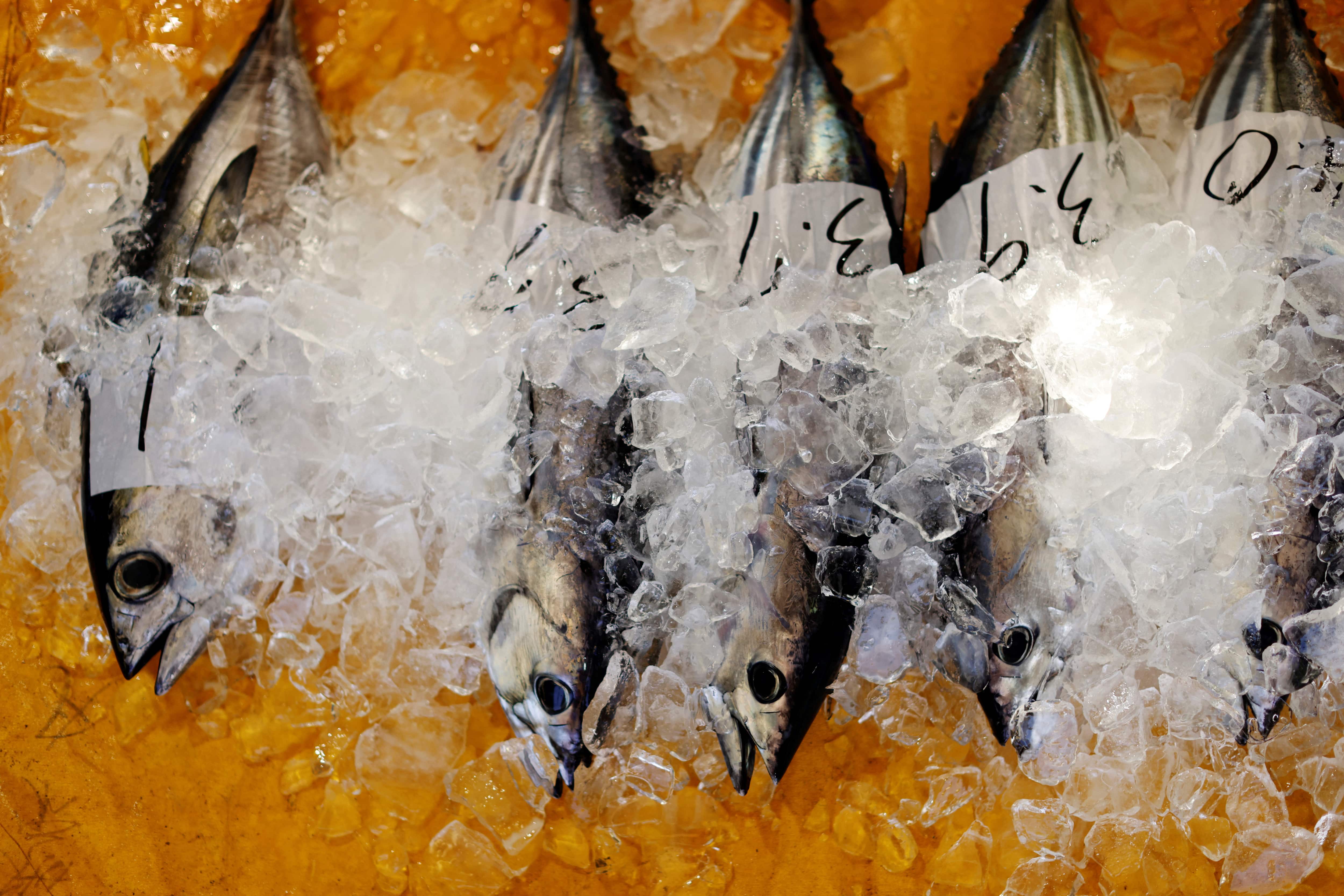
Sustainability of local fishing threatened
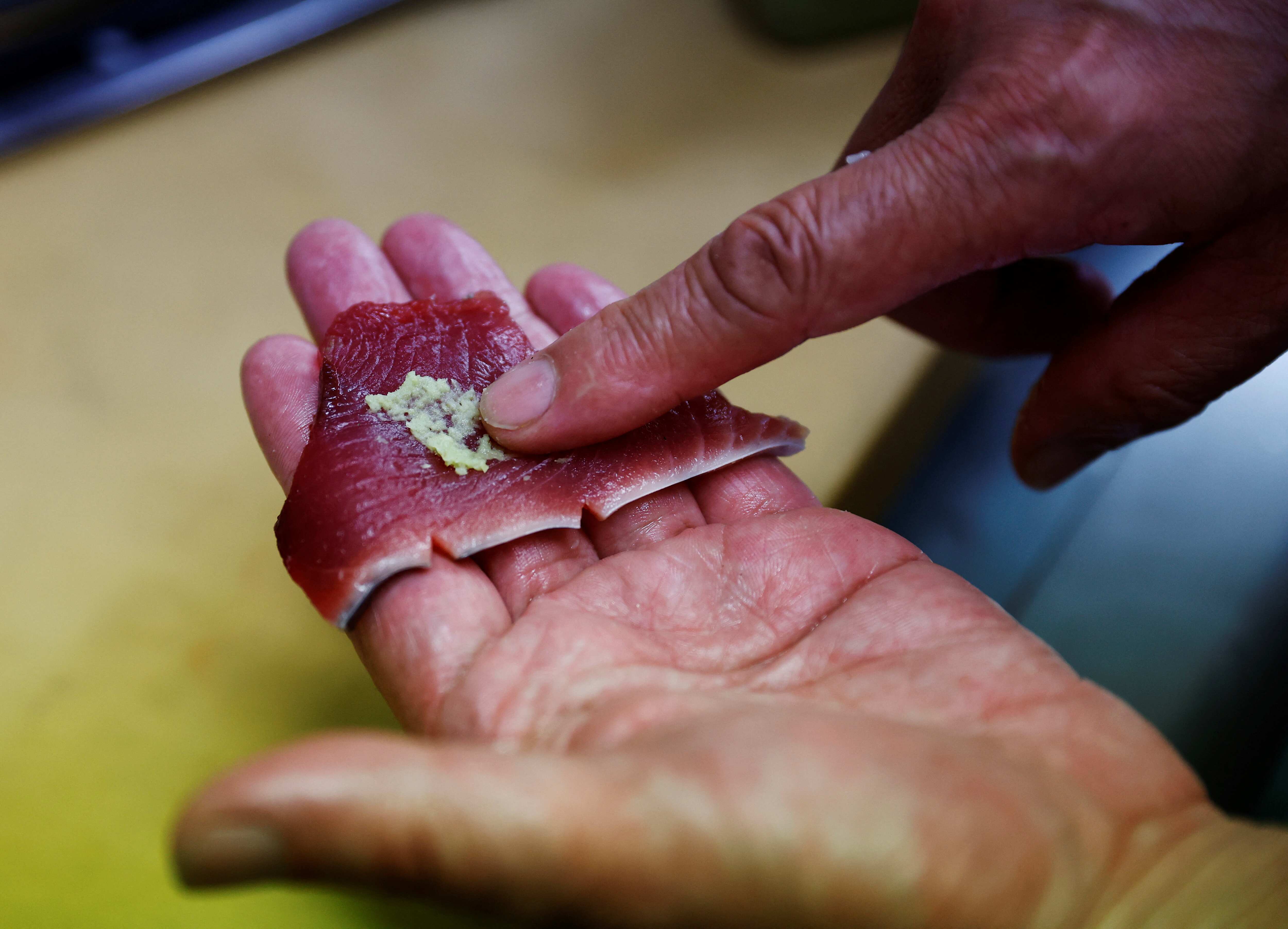
This comes as Japan's ageing population is threatening the sustainability of local fishing and related businesses such as the production of dried and fermented katsuo, and wasabi horseradish - an eye-watering condiment tucked under fish in a piece of sushi. In Kure, a district in Nakatosa town, many fishermen have gone out of business in the past three decades, said Takahiro Tanaka, a fourth-generation owner of a fishmonger who calls himself a "katsuo sommelier".
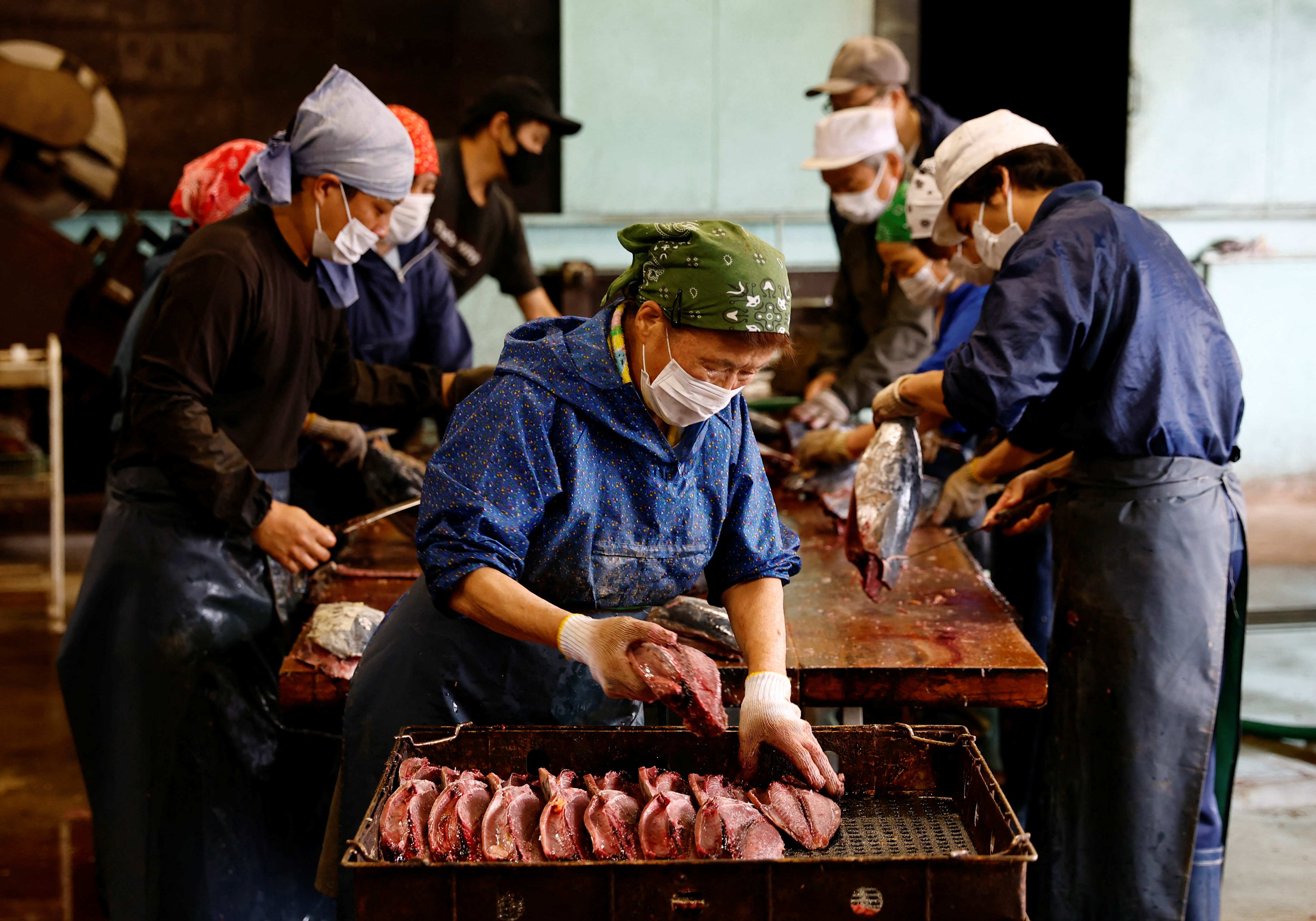
Government jobs are more lucrative
Takahiro Tanaka said, "We can distinguish different tastes of katsuo, just like ordinary French farmers may savour subtleties of wine ... this place might be one of Japan's last communities where katsuo is part of the daily culture. But without fishers, this won't last." Fisherman Nakajo also rued the ageing community and fewer successors. "I asked my grandson if he would take over, but he's now studying to work at a government office," Nakajo said.
Sushi culture at risk
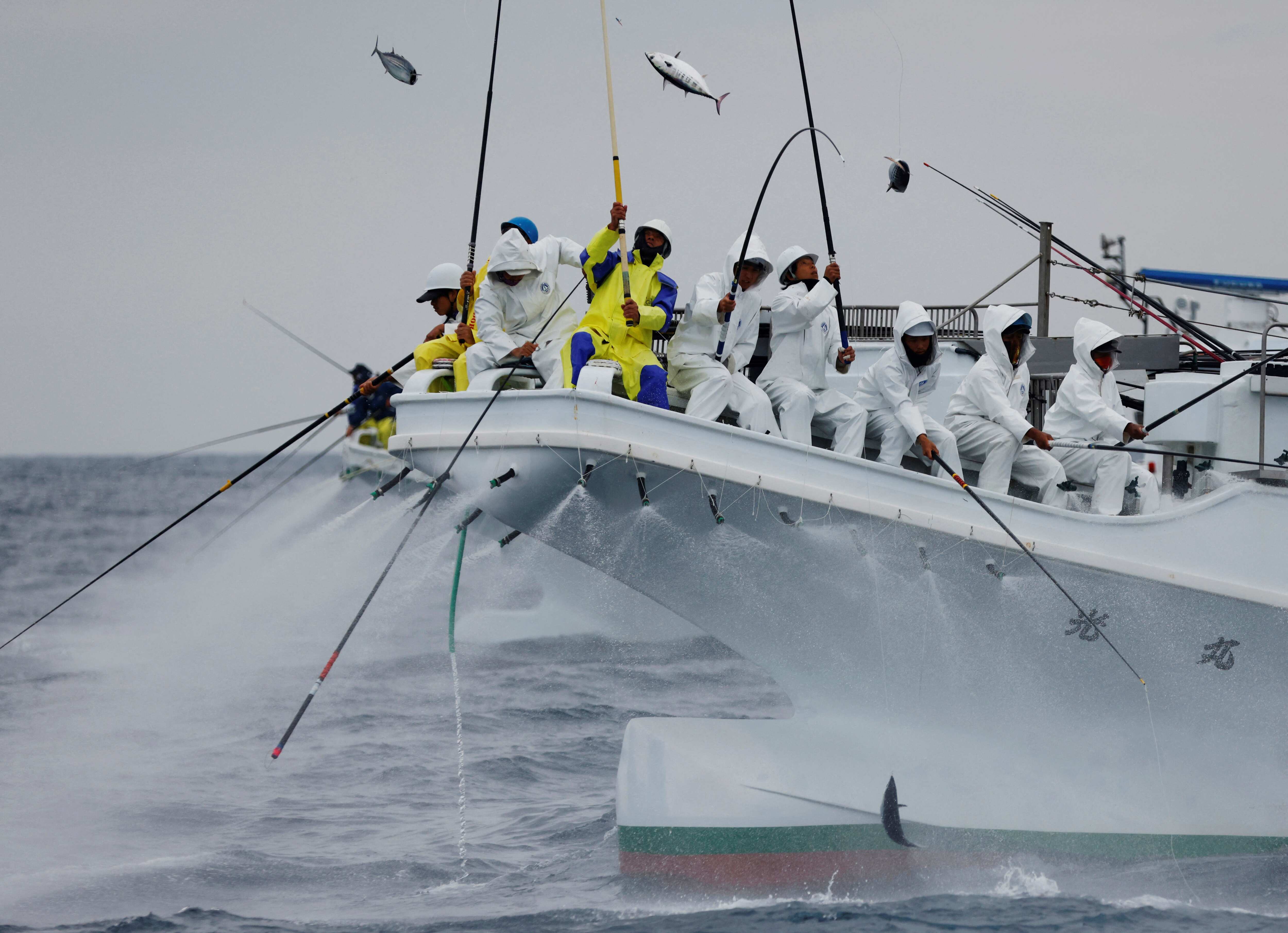
Overfishing has already hit catch numbers and dealt a blow to the fishermen in Kochi who have stuck to traditional single-pole fishing methods versus large-scale seine fishing across the western Pacific. Government data shows catch numbers in Kochi are only at a quarter of their 1980s peak. "We have observed a catastrophic decline in landings over the last 10 years or so," said Ukeda.
Production of katsuobush is already suffering
Production of katsuobushi, dried and fermented katsuo, often used as a shaved condiment over traditional Japanese dishes or as a broth base, is already suffering. The number of katsuobushi manufacturers in Kochi has plunged from dozens some forty years ago to only a few, said Taichi Takeuchi, who runs one in the town of Usa. "I'm really unsure if we can continue this," said Takeuchi.
Typhoons and rising temperatures hurt
Typhoons and rising temperatures have hurt production in Okutama, a mountainous area to the west of Tokyo, said Masahiro Hoshina, 72, head of the local wasabi growers' association. "I am extremely worried about the future of our farming," Hoshina said. The number of farmers in the area is down 75% from the 1950s due to depopulation, and unless something changes, some worry sushi itself could be endangered. "The combination of raw fish and spice, as in katsuo and wasabi, is an art, and we must maintain both," said Ukeda. "I never want to think about a future" without them, he added.
)
)
)
)
)