In Pics: Kyiv metro offers Ukrainians shelter from Russian shells

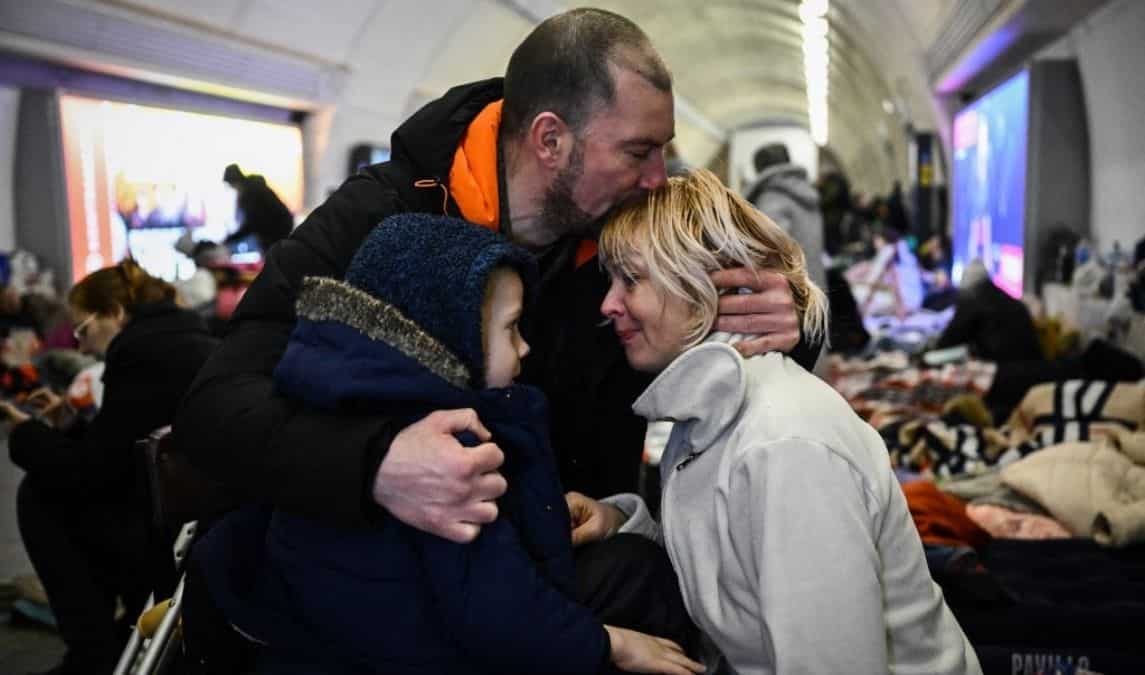
One of Kyiv's deepest and safest bomb shelters
The wounded Ukrainian soldier dropped his crutches to the Kyiv metro station floor and picked up his five-year-old son, first wiping tears from his shaking wife's face.
The sweet smell of sweat from the bodies of sheltering Ukrainians permeated the damp, chilly air around them.
But Sergiy and Natalia Badylevych were oblivious to the cooking odours and the dozing families spread out on the floor of what has become one of Kyiv's deepest and safest bomb shelters.
They had been reunited for the first time since witnessing a Russian missile strike on Kyiv's TV tower on Tuesday evening.
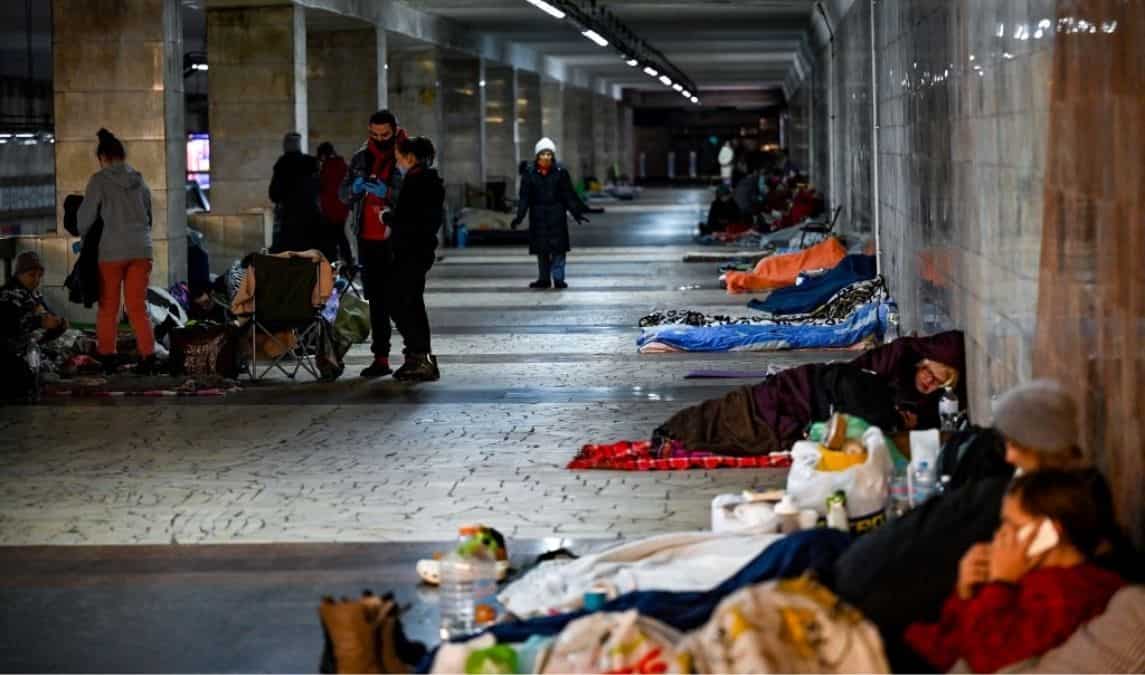
Built during World War II
Ukraine's capital began building its subway system while memories of World War II were still raw in the early 1960s.
Its 52 stations and tunnels were built with the dual purpose of moving people and sheltering them should bombs start falling again.
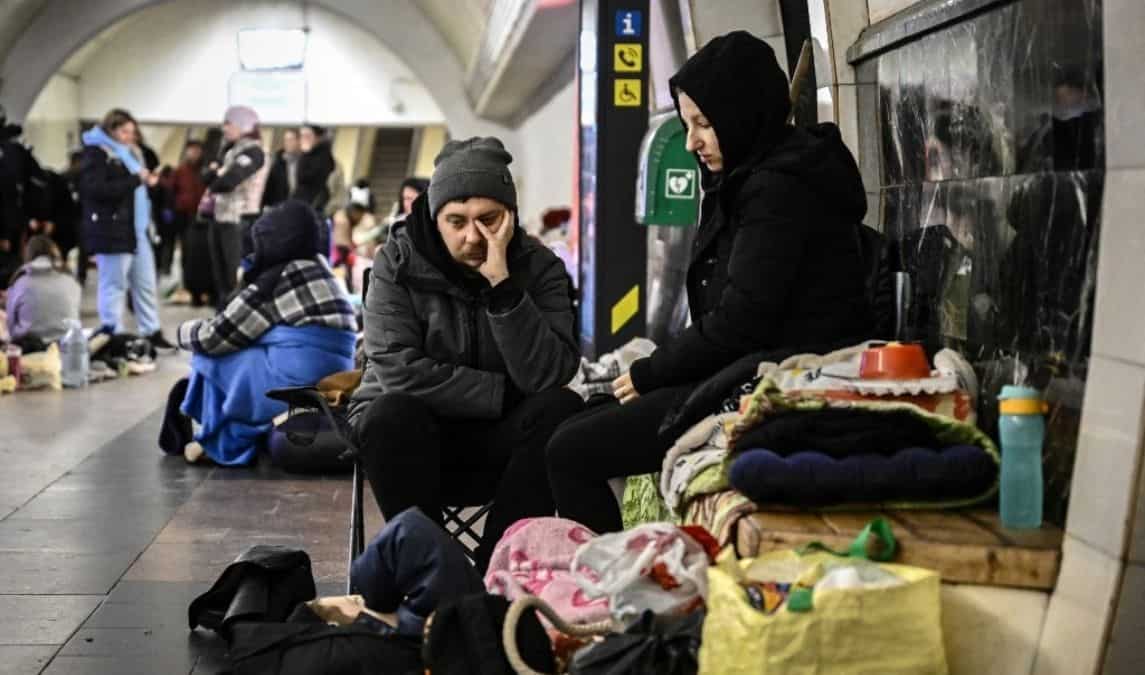
Surreal experience
Kyiv metro chief Viktor Braginsky admitted he could never imagine the stations actually being used as bomb shelters in his lifetime.
"I still really can't believe it," Braginsky said at the entrance of the Dorohozhychi metro stop. "Everything still feels too surreal."
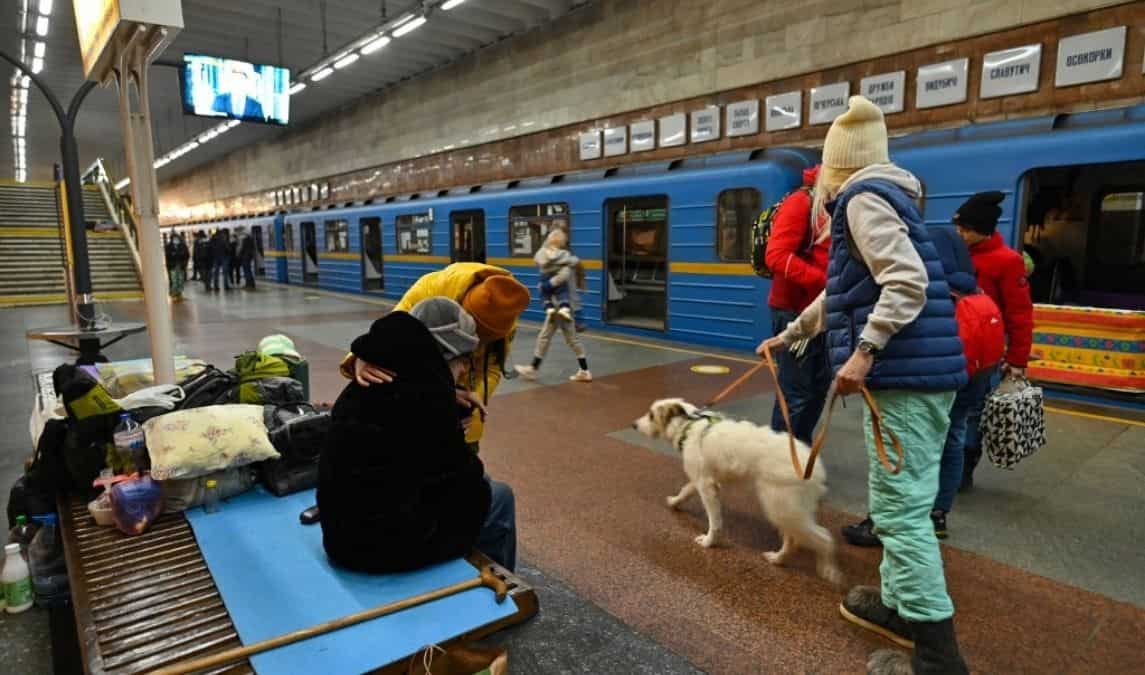
Theoretically 100,000 could hide
Each one can shelter up to 1,000 people from the shellfire and Grad missiles, Russian forces have been firing at targets on Kyiv's outskirts since last week.
Still more people could fit into the dark tunnels. Braginsky said up to 100,000 could theoretically hide underground in Kyiv until their food runs out.
Getting by
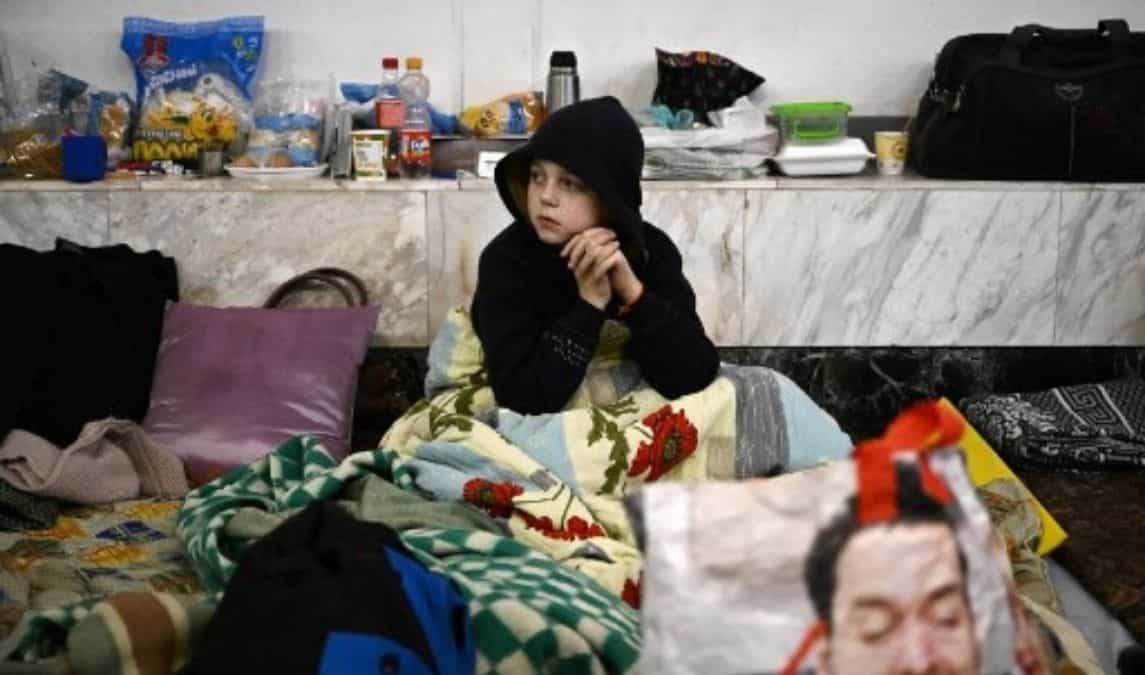
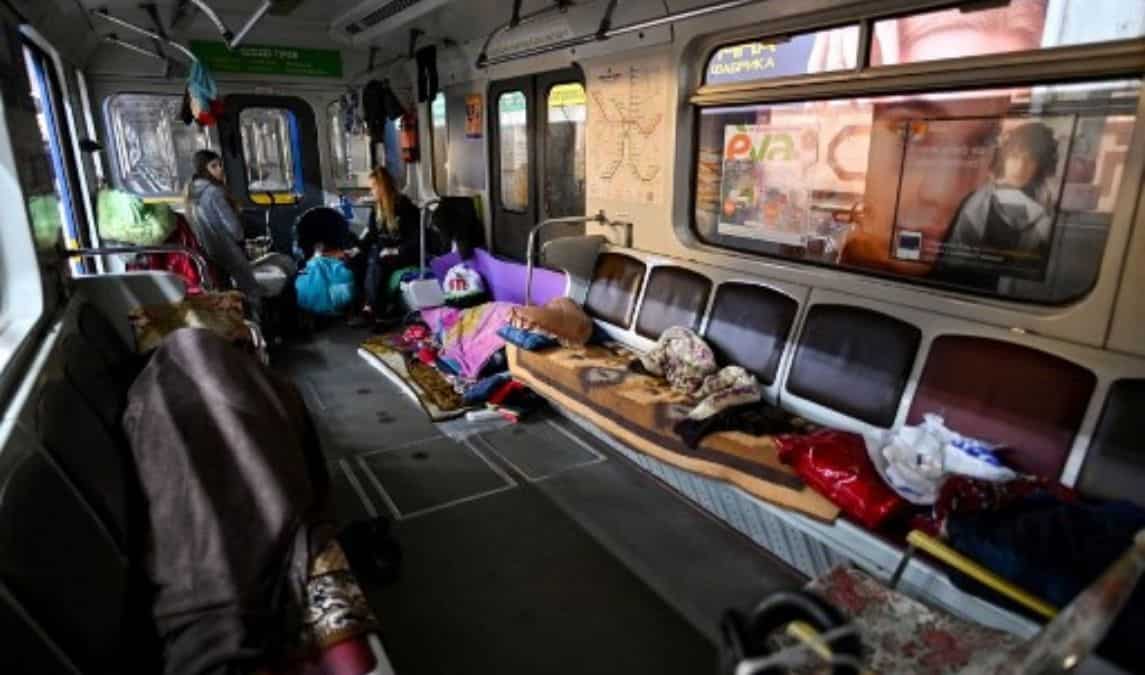
Many of the dozens of families sheltering here have been sleeping on the station's stone floor for the past six nights.
One family was living in a camping tent. Most simply spread their books and food out on bedsheets and towels.
Do we try to get out and run?
Some of the metro's residents occasionally go up the escalator and squeeze past the heavily-armed soldiers to puff on a cigarette and try to comprehend the surreal scenes on the streets.
The charred remains of the building hit by the Russian missile offer a dark reminder of why it may be safer to stay underground.
But IT engineer Volodymyr Dovgan worries about what might happen should Russian soldiers take control of the streets.
"What happens to us down here when the food runs out?" the 40-year-old asks. "Do we try to get out and run?"
)
)
)
)
)