How the destroyers around the USS Abraham Lincoln can track 100 targets at once

US Navy destroyers use the advanced Aegis Combat System and SPY-1 phased array radar to detect and track over 100 aerial threats instantly, creating an impenetrable 360-degree defensive shield around the USS Abraham Lincoln carrier strike group.
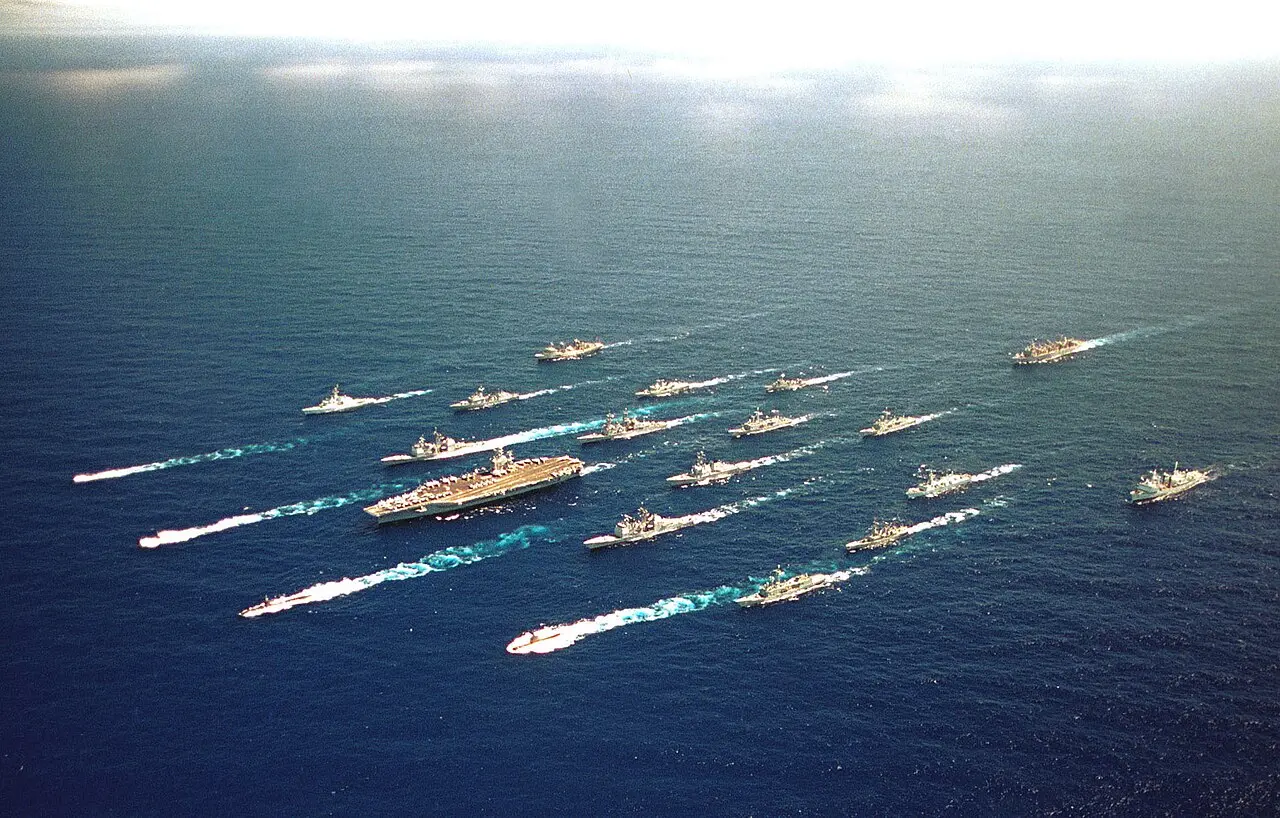
Arleigh Burke-class destroyers lead defence
The USS Abraham Lincoln is escorted by Arleigh Burke-class destroyers, often called the workhorses of the US Navy. These warships are designed specifically for multi-threat warfare, capable of fighting in the air, on the surface, and underwater simultaneously. Their primary mission is to protect the high-value aircraft carrier from mass missile attacks.
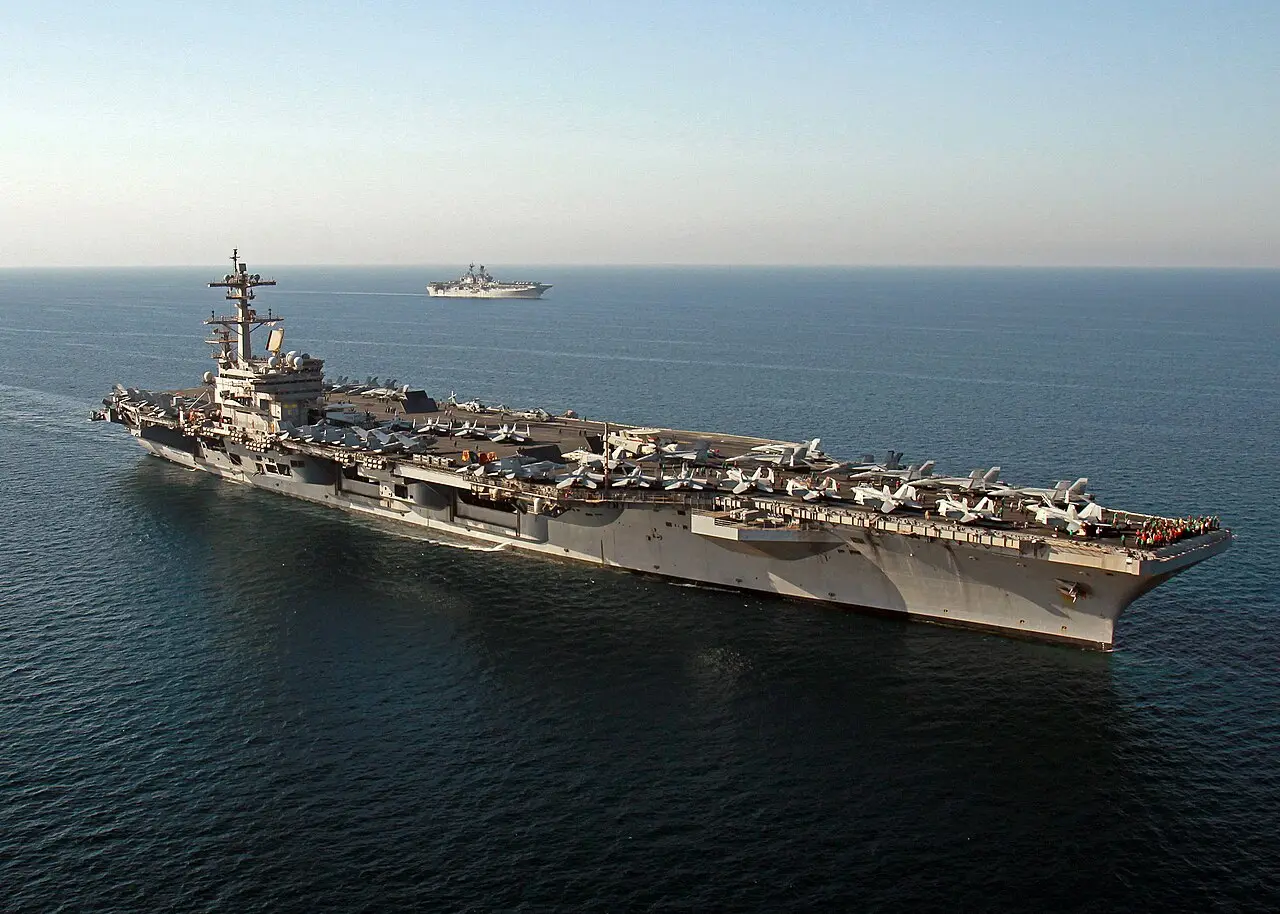
The powerful SPY-1 radar system
The core of this tracking capability is the AN/SPY-1 multi-function phased array radar. Unlike traditional radars that rotate mechanically, this system uses four fixed faces to send out beams of electromagnetic energy in all directions constantly. This allows for continuous 360-degree surveillance without the delay of a spinning antenna.
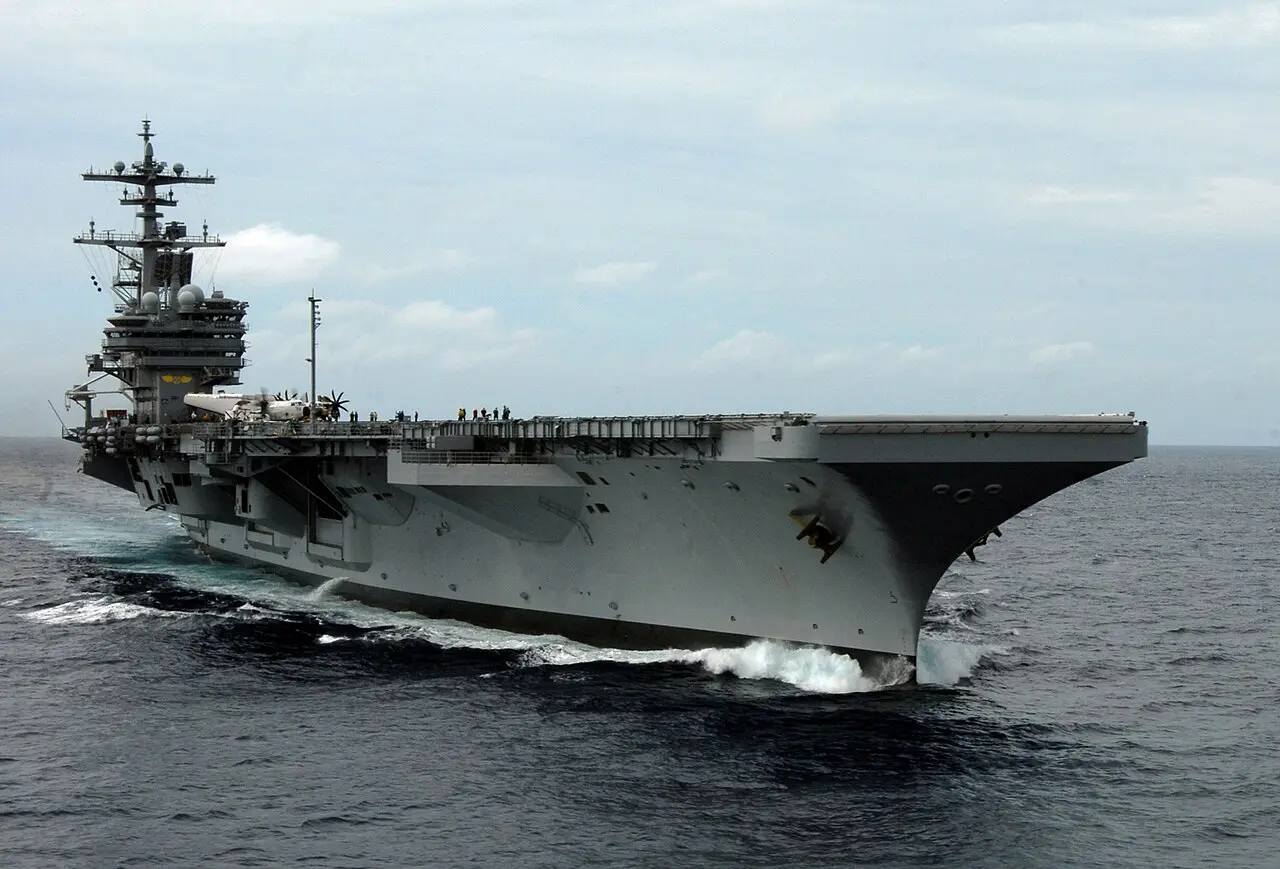
Tracking over 100 targets simultaneously
The SPY-1 radar is capable of detecting and tracking over 100 targets at the same time. It manages this heavy traffic by rapidly switching its radar beams between different targets in milliseconds. This ensures that the ship's combat information centre maintains a precise lock on every potential threat in the airspace.
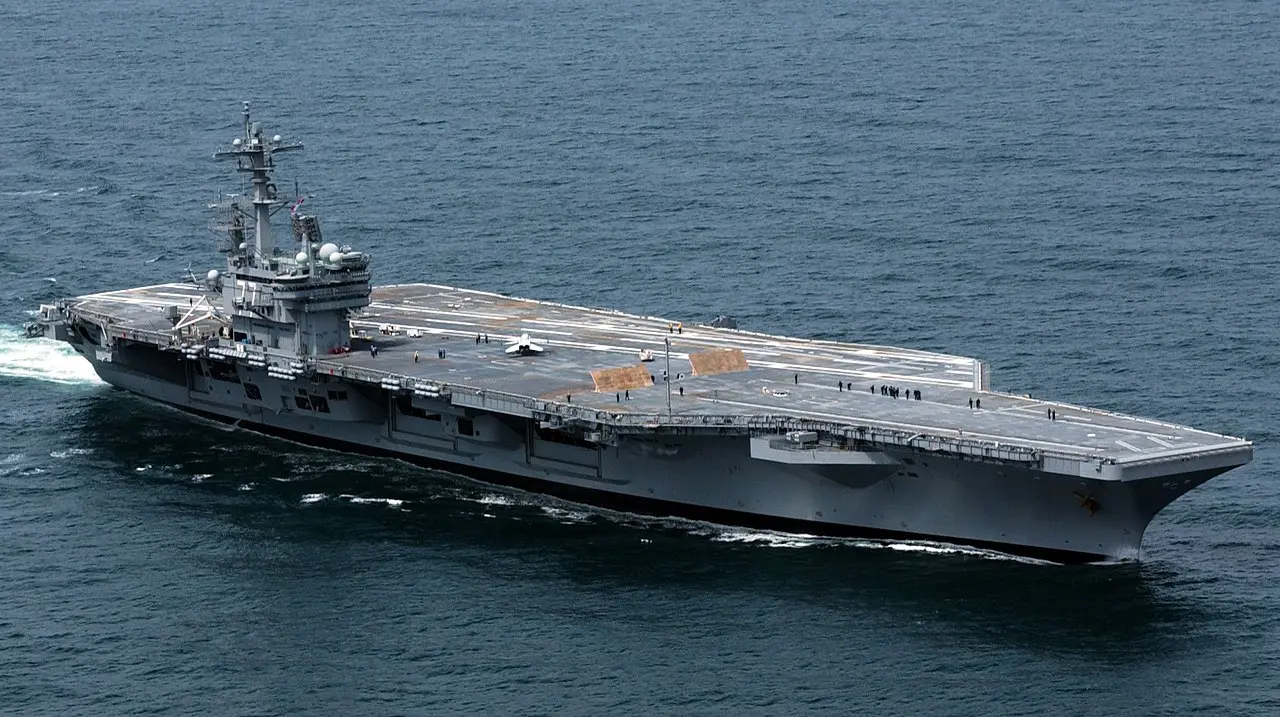
Aegis Combat System processes data
The Aegis Combat System acts as the central brain, integrating data from the SPY-1 radar and other sensors. It uses advanced computers to process the tracks, classify them as friendly or hostile, and assign weapons to destroy them. This automation is crucial when facing swarms of drones or missiles.
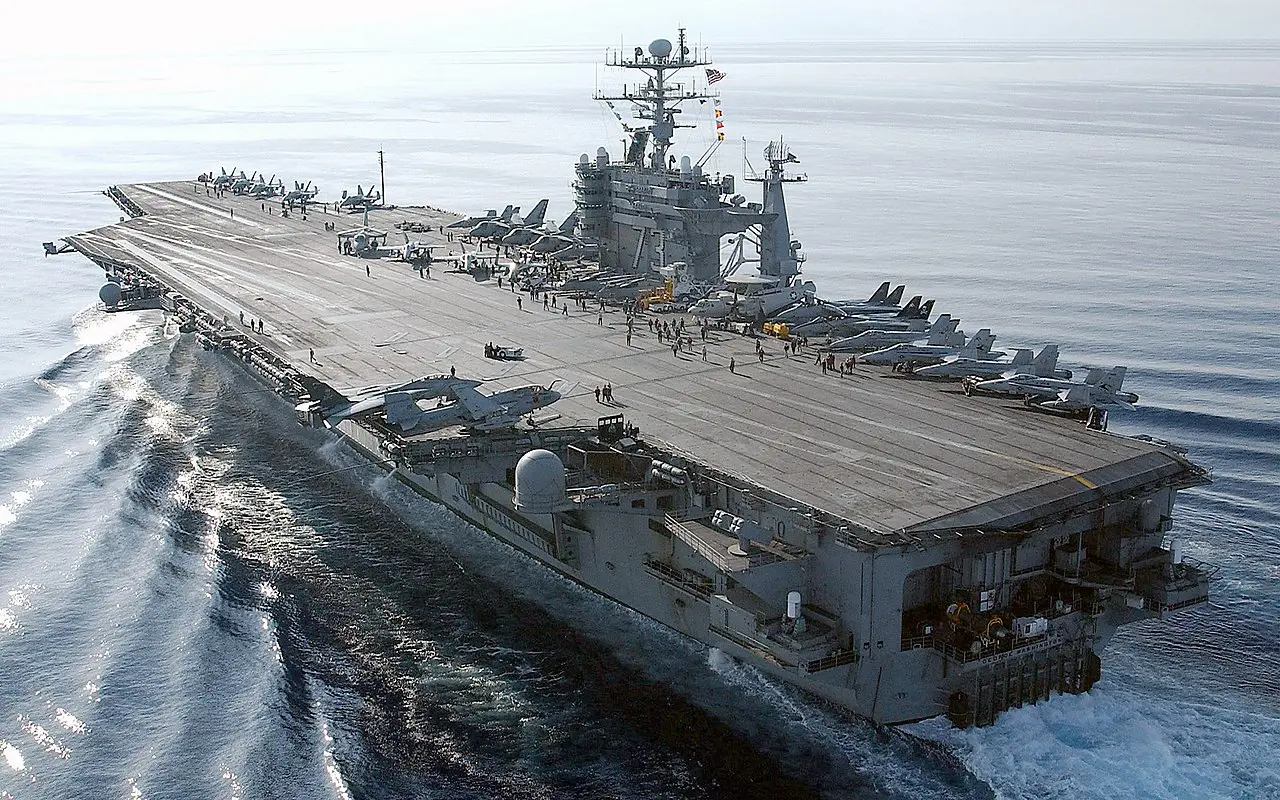
Electronic beam steering technology
The radar uses electronic beam steering to move its focus instantly across the sky. This technology allows the destroyer to track a fast-moving ballistic missile while simultaneously scanning the horizon for low-flying cruise missiles. This flexibility gives the ship a massive advantage over older mechanical radar systems.
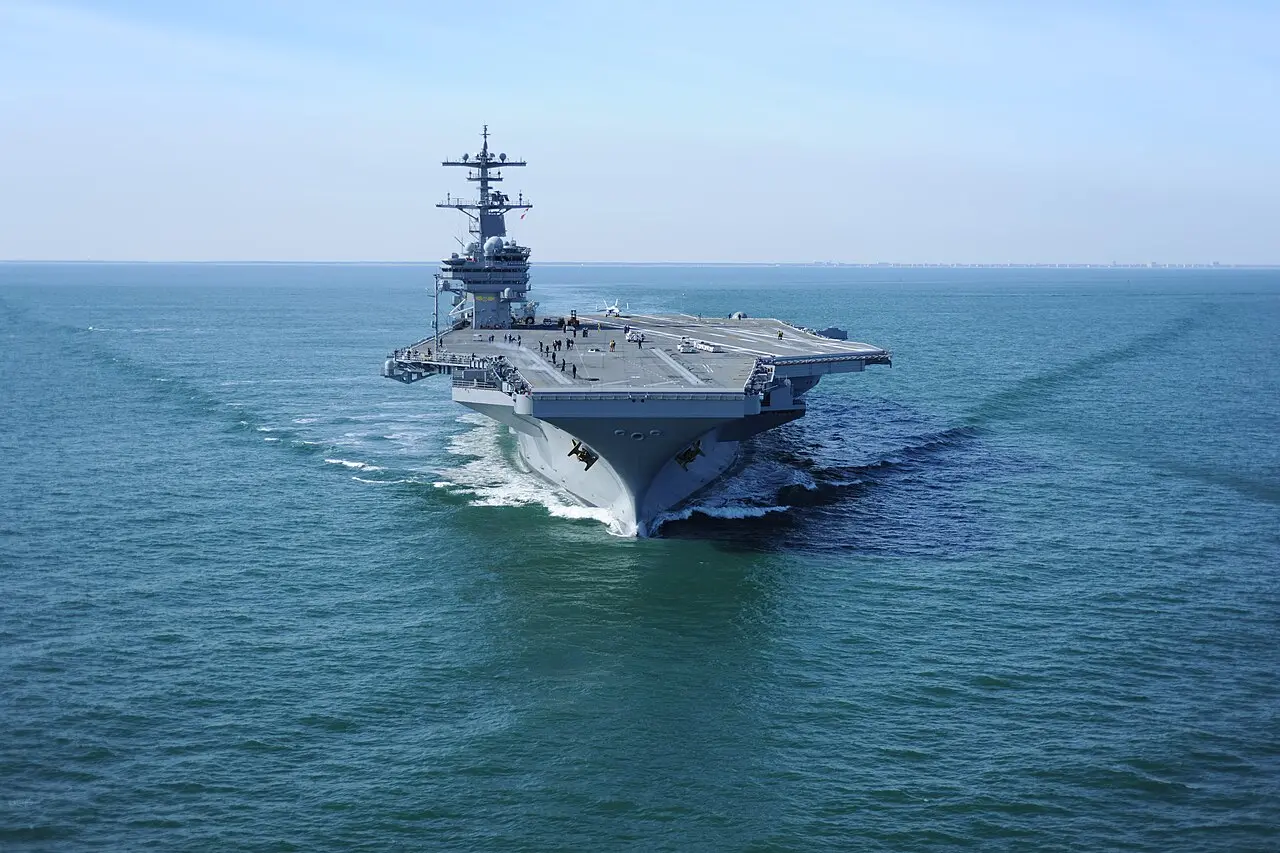
Cooperative Engagement Capability network
These destroyers utilize Cooperative Engagement Capability (CEC) to share raw radar data with other ships in the strike group. This creates a single, composite picture of the battlefield, allowing one ship to fire at a target that it cannot see itself, but is being tracked by another vessel in the network.
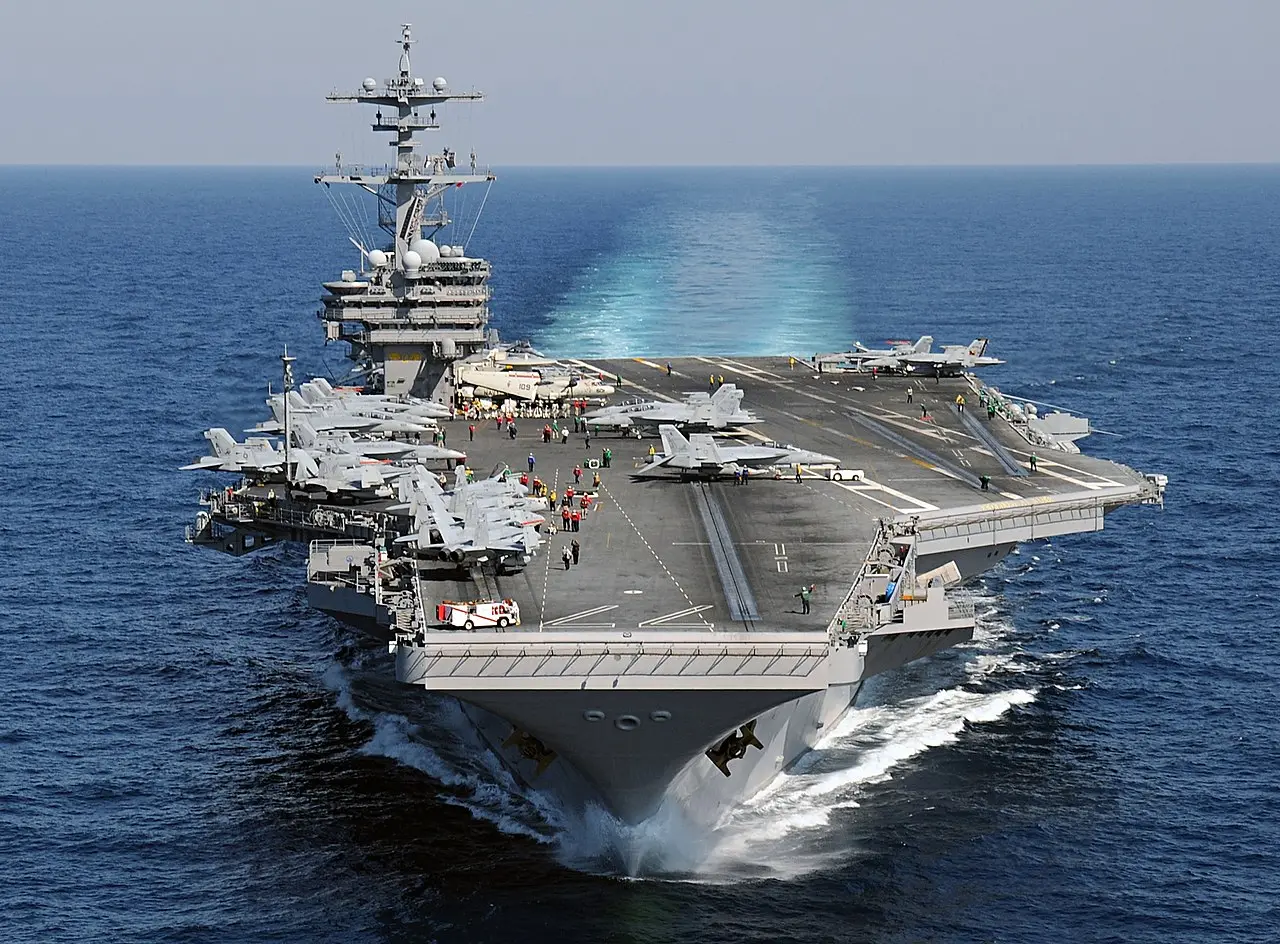
Guiding Standard Missiles to intercept
Once targets are tracked, the system guides Standard Missiles (SM-2, SM-3, or SM-6) launched from the Vertical Launching System. The radar provides mid-course guidance updates to the missiles, ensuring they remain on the correct path to intercept fast-manoeuvring aerial threats many kilometres away.
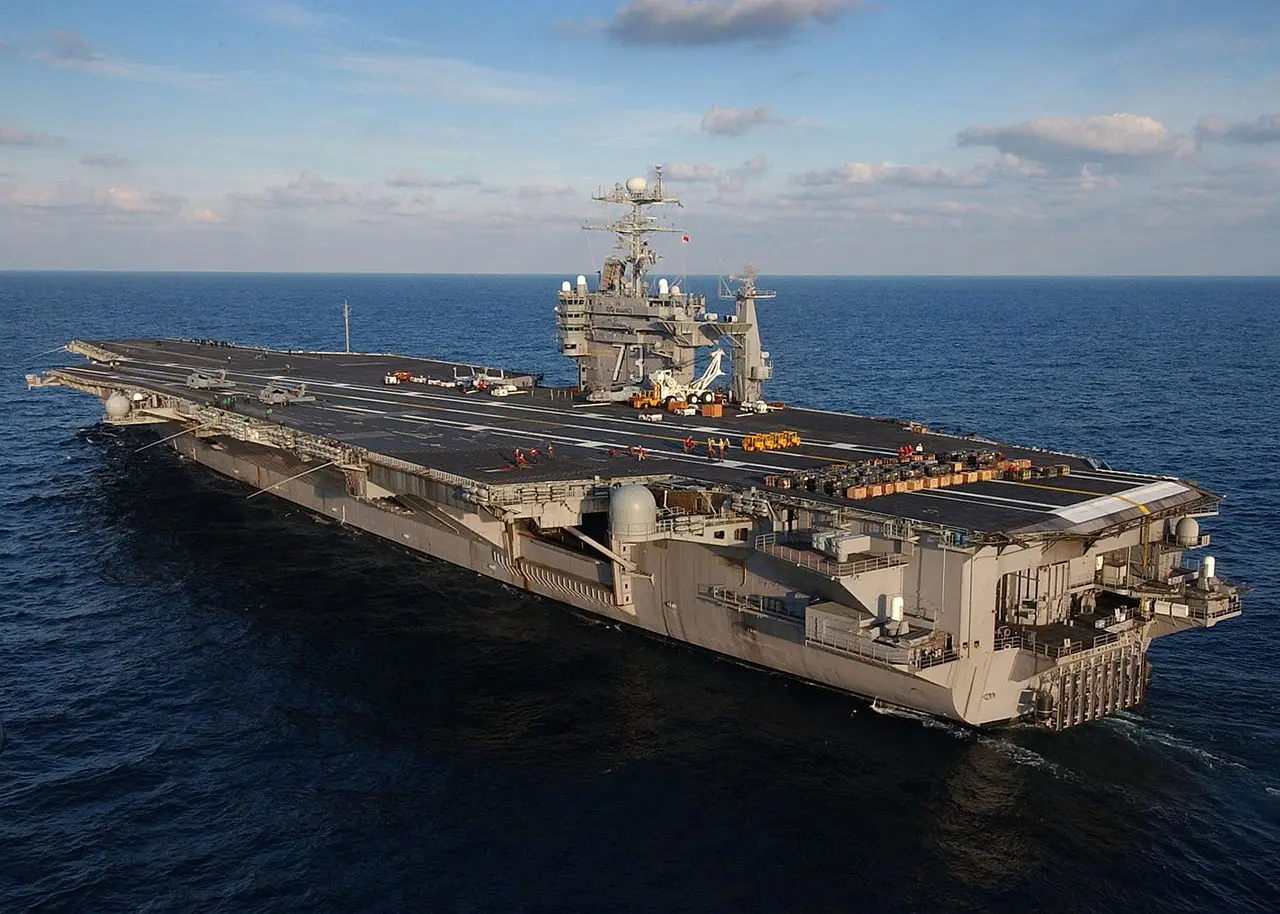
Search and track functions combined
Traditional systems often require separate radars for searching the sky and tracking specific targets. The Aegis system performs both functions simultaneously through its phased array panels. This reduces the reaction time significantly, allowing the crew to respond to sudden threats within seconds of detection.
Over 370 kilometres surveillance range
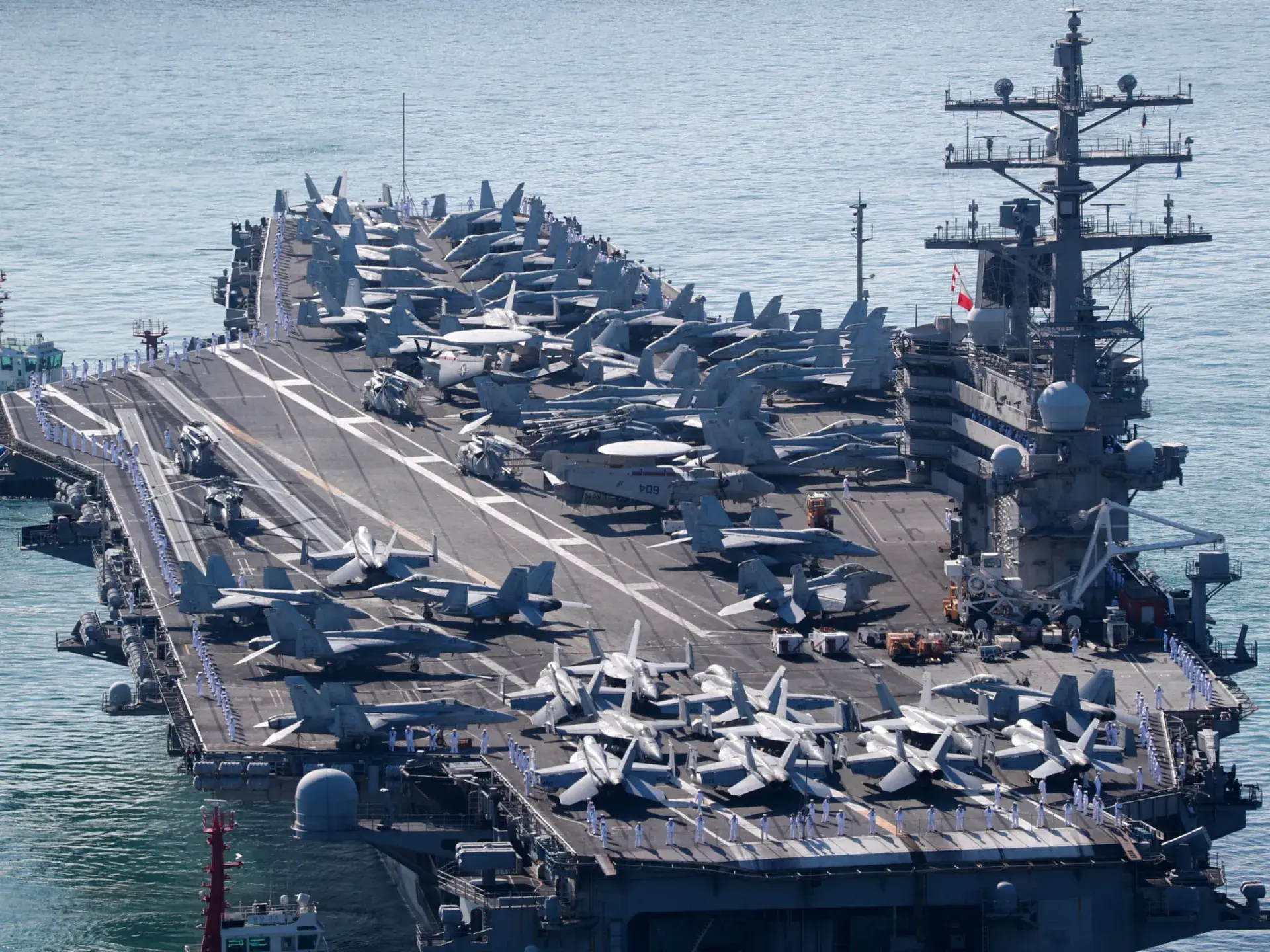
The powerful S-band radar can detect high-altitude targets at ranges exceeding 370 kilometres. This long-range detection gives the carrier strike group vital minutes to prepare a response. It pushes the defensive perimeter far away from the USS Abraham Lincoln, keeping the carrier out of immediate danger.
Continuous upgrades maintain dominance
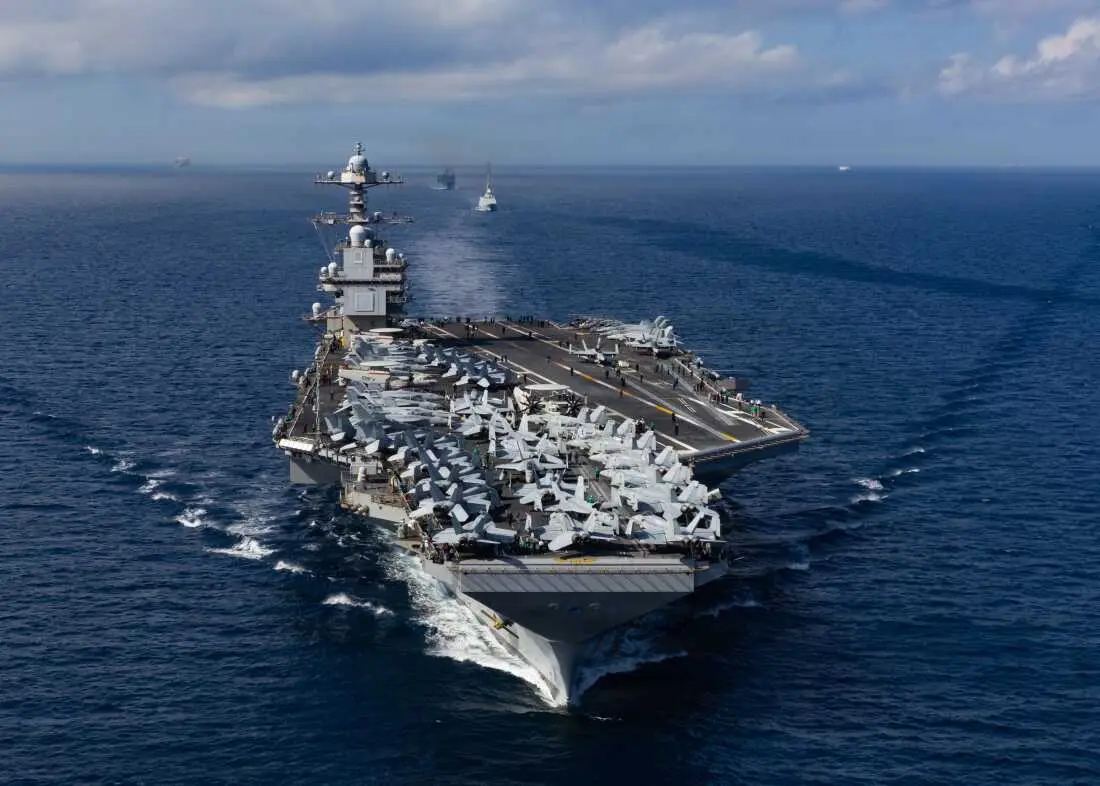
The US Navy constantly upgrades these destroyers with newer baselines of the Aegis software. Newer Flight III destroyers are receiving the AN/SPY-6 radar, which is even more sensitive. However, the existing SPY-1D remain a formidable defence, ensuring no target approaches the carrier strike group unseen.
)
)
)
)
)