How a nuclear engine could get humans to Mars faster: 6 things you should know!

One of the most compelling reasons for pursuing NTP is its potential to shorten travel times to destinations like Mars by up to 25 per cent.
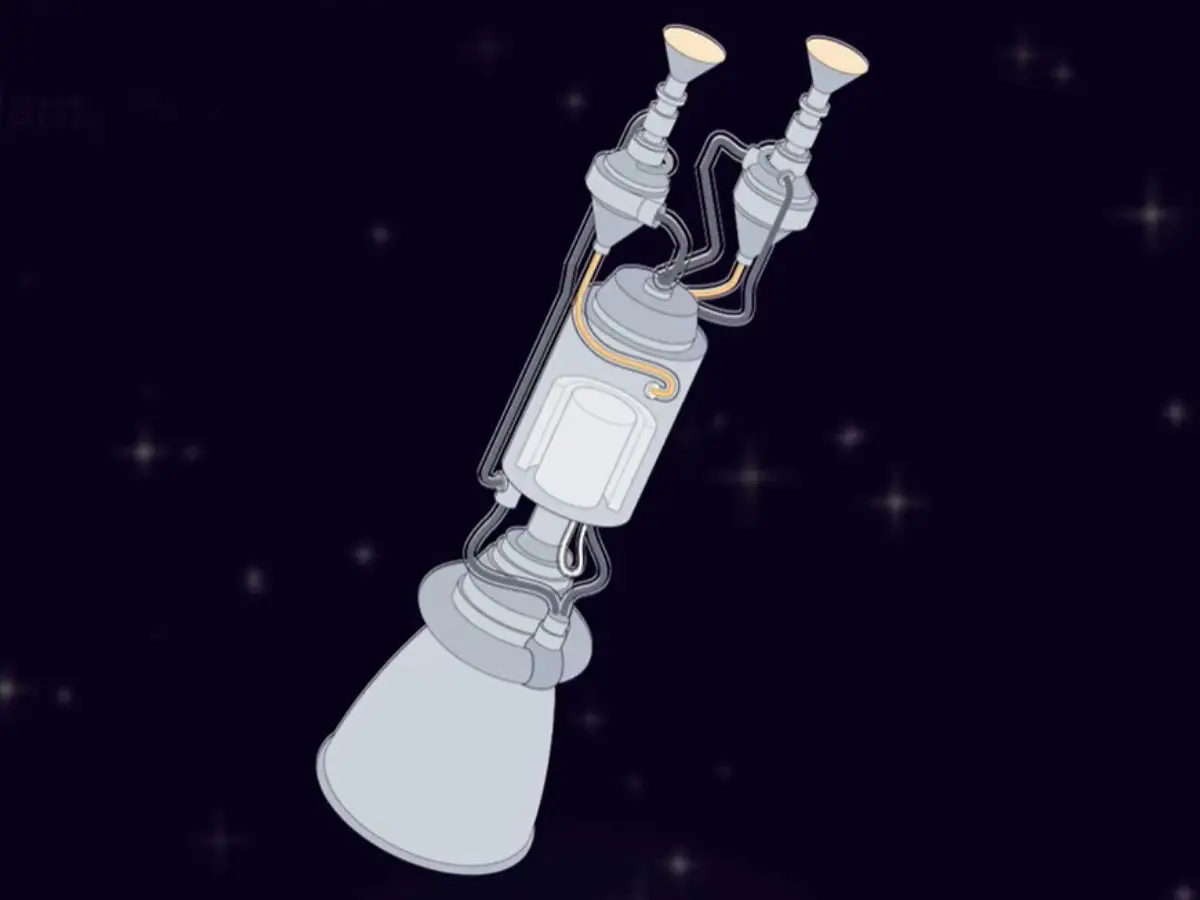
What is nuclear thermal propulsion?
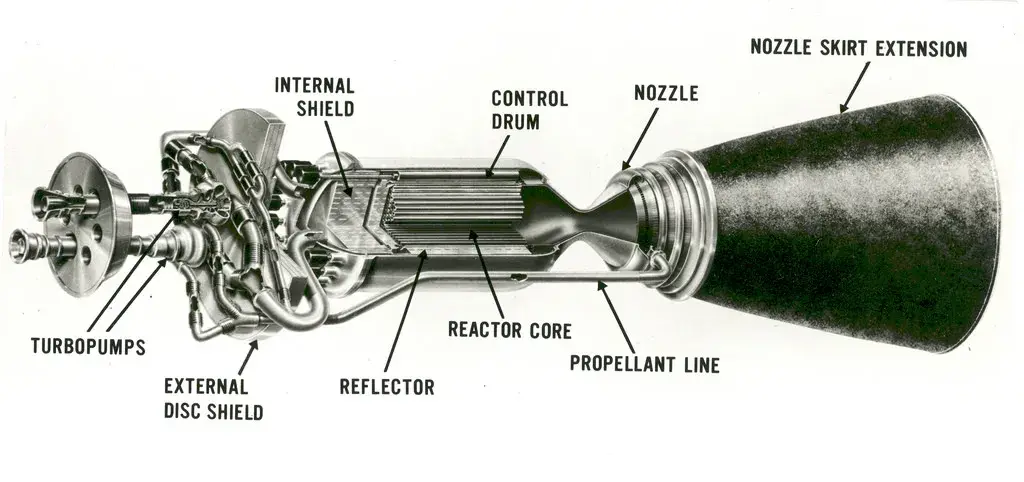
Nuclear thermal propulsion (NTP) is a class of rocket engines that use a nuclear reactor to heat a propellant, which is most likely liquid hydrogen, to very high temperatures before expelling it through a nozzle to produce thrust. Unlike the conventional rockets that are used, that rely on chemical combustion of fuel and oxidiser, the NTP systems derive their force from nuclear fission, where uranium atoms are split apart inside the reactor core, thus releasing heat that converts the propellant into high-pressure gas. The result of this process is thrust, that is both powerful and highly efficient and offers performance beyond what chemical rockets can achieve.
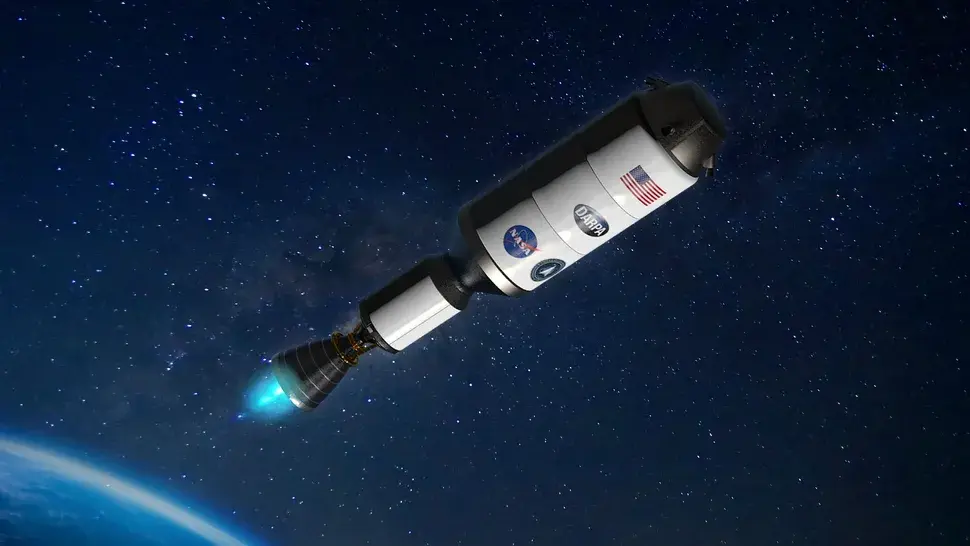
DRACO project
It was announced in July 2025, that NASA and the US military plan to launch a nuclear-powered spacecraft to Earth orbit by early 2026. The project, known as DRACO (Demonstration Rocket for Agile Cislunar Operations) aims to give an in-space test to NTP systems. The DRACO spacecraft is being developed by Lockheed Martin. The project however, isn't new. The US Defense Advanced Research Projects Agency (DARPA) started the program in 2021, and NASA came aboard in early 2023.
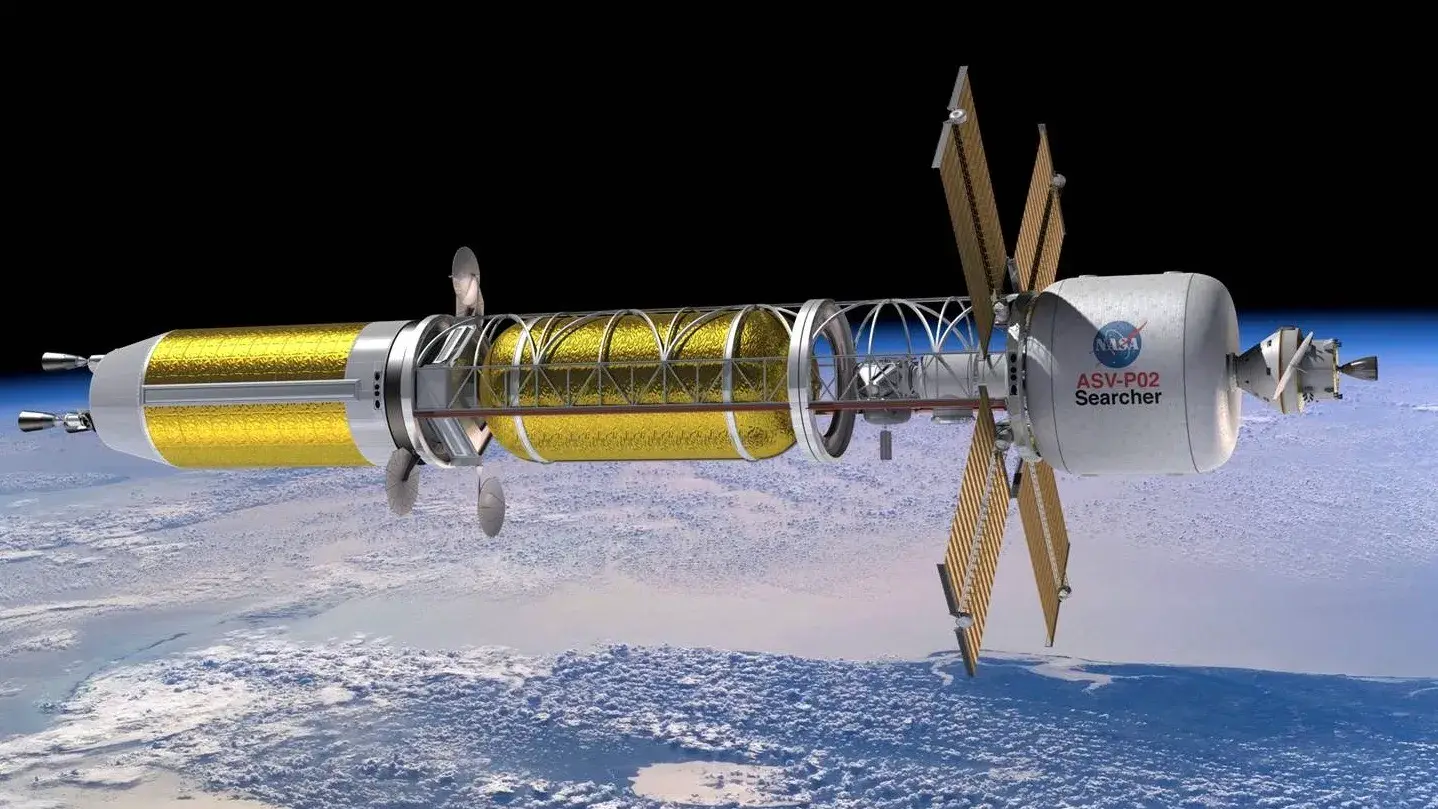
1. greater efficiency than chemical rockets
A biggest advantage of NTP is its efficiency. Rocket engineers measure this performance as specific impulse, the amount of thrust generated per unit of propellant. While the best chemical rockets have a specific impulse of about 450 seconds, it is exactly half the propellant efficiency as NTP systems aim for around 900 seconds. This is possible because the nuclear reactor heats hydrogen, a very light gas, to extreme temperatures, allowing spacecraft to travel farther with less fuel.
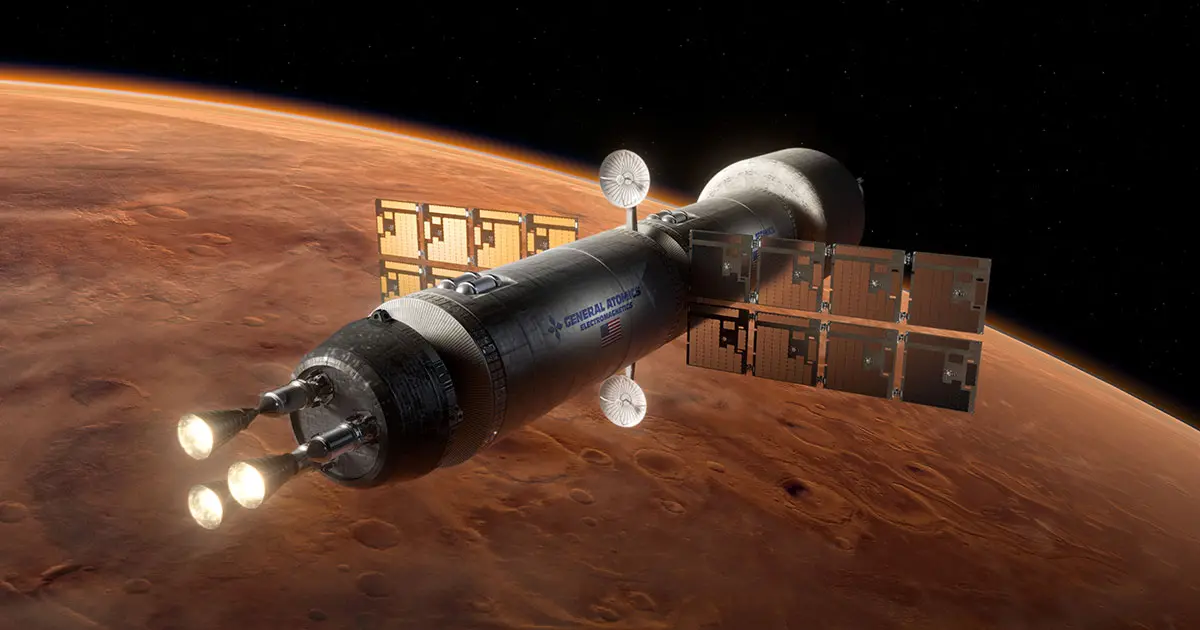
2. designed for space, not Earth launch
NTP systems are not meant to lift spacecraft off the Earth’s surface. These systems would be launched and taken into orbit by traditional chemical rockets and then activated once safely in space. Nuclear thermal engines do not produce the enormous thrust required to escape Earth’s gravity, but they excel once in orbit or on interplanetary trajectories.
3. reducing travel time and exposure
One of the most compelling reasons for pursuing NTP is its potential to shorten travel times to destinations like Mars by up to 25 per cent. These systems, according to the US government of Energy, offer greater flexibility for deep space missions. Faster journeys would reduce astronauts’ exposure to harmful cosmic radiation and the effects of prolonged weightlessness, two of the foremost challenges of deep-space missions. Additionally, astronauts will also have the option to abort missions and return to Earth if necessary.
4. roots in early space programmes
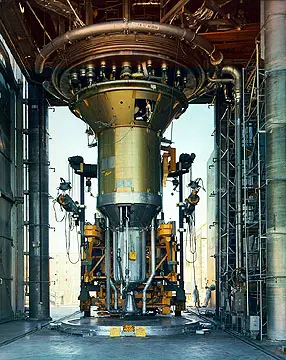
Nuclear propulsion research is nothing new, it has been studied by NASA. In the 1960s and early 1970s, the United States conducted tests under the Nuclear Engine for Rocket Vehicle Application (NERVA) programme. Scientists successfully designed and tested several nuclear rocket engines, forming a foundation for modern NTP work. Current projects build on these early achievements while improving materials, design and safety. India is also rapidly advancing nuclear space technology in collaboration with the Department of Atomic Energy (DAE) to power future missions. The trials for Nuclear thermal Propulsion and Radiotope Heating Units (RHUs) have reportedly begun.
5. development of low-enriched uranium fuel
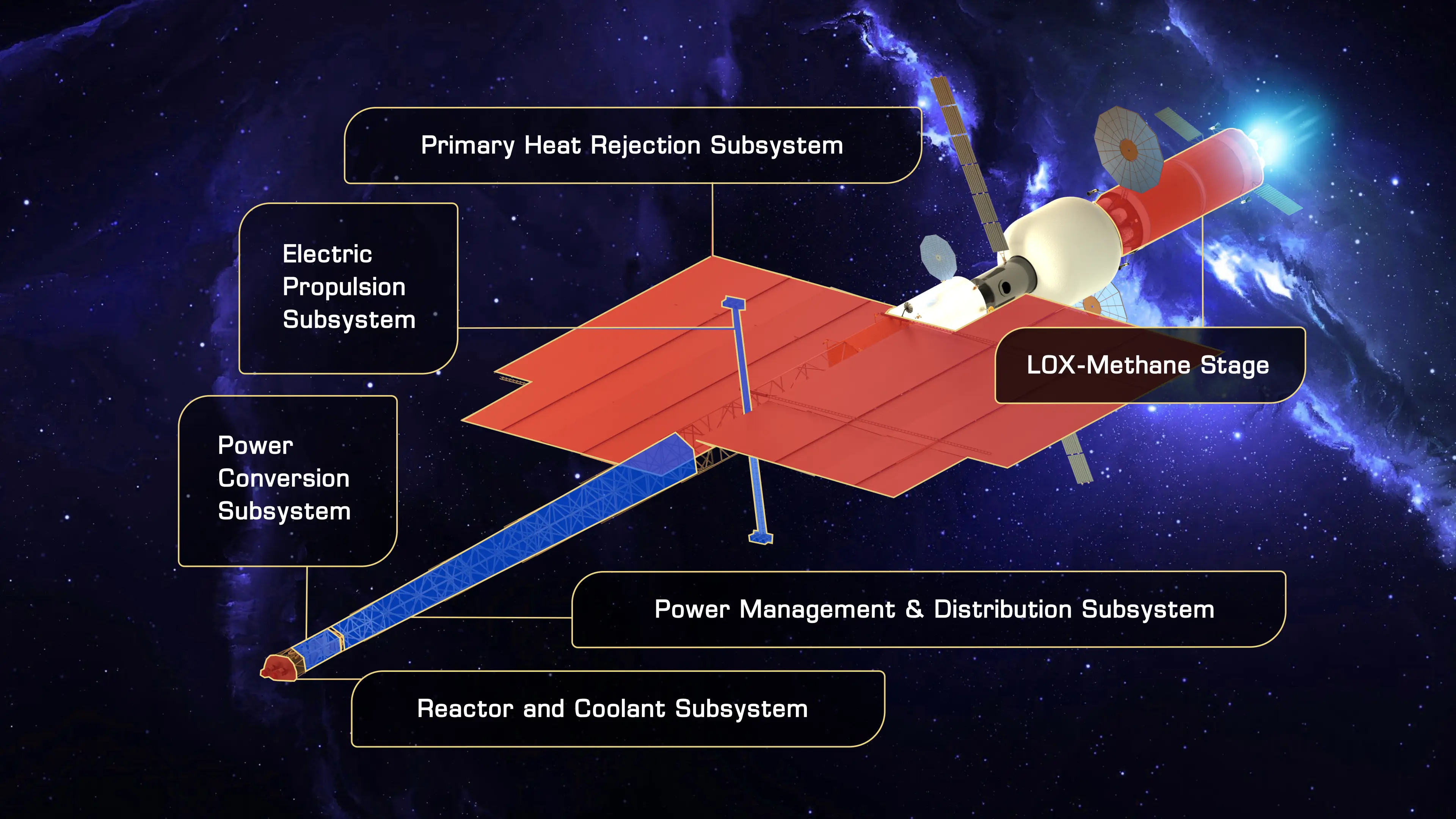
Contemporary NTP initiatives focus on using low-enriched uranium (LEU) instead of highly enriched fuel. LEU can be less costly to handle and subject to fewer security restrictions while still meeting performance requirements. Testing of these fuels at facilities such as Idaho National Laboratory has shown promising resilience under harsh temperature and radiation environments.
6. implications for deep-space exploration
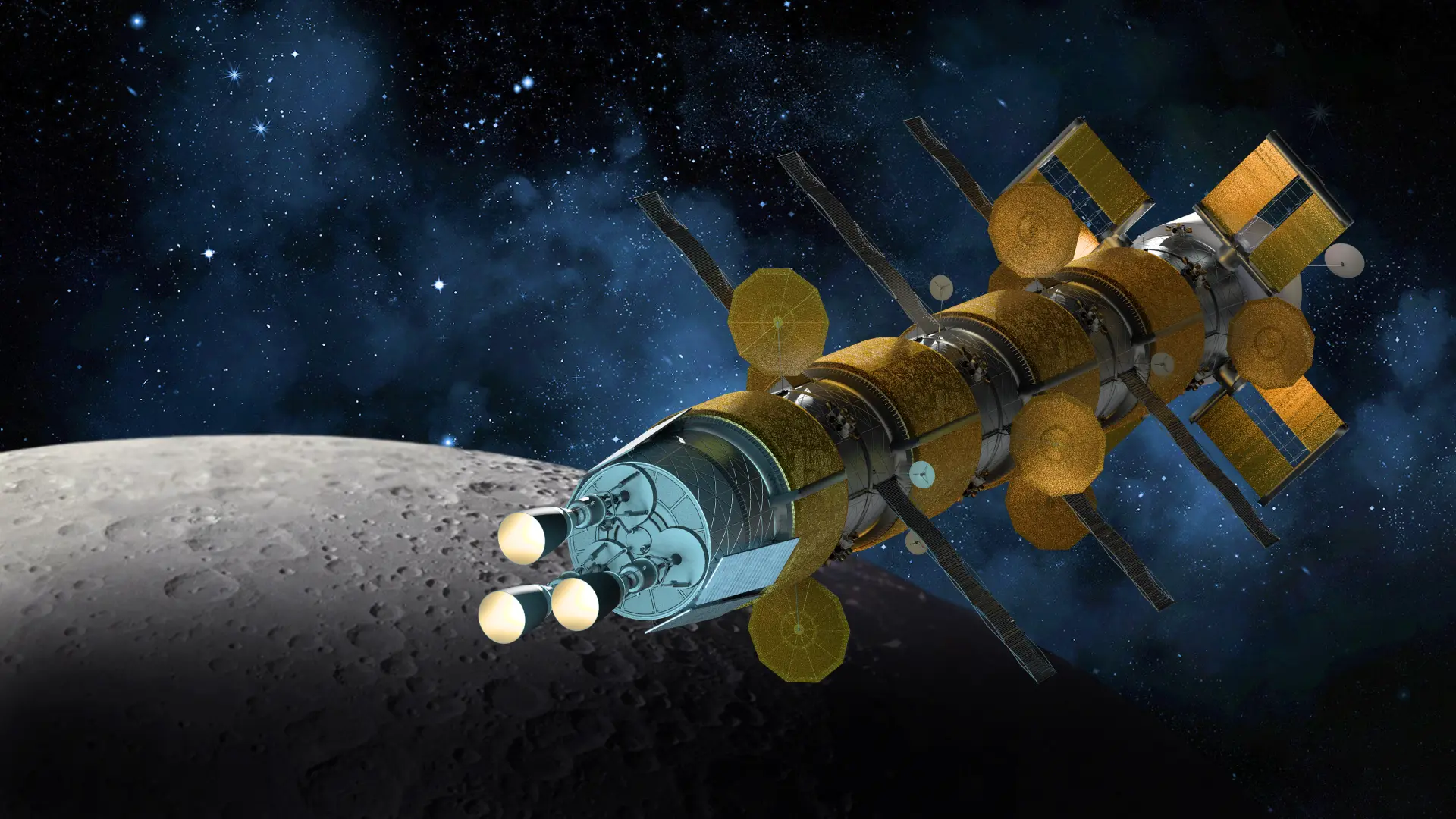
If realised, the NTP systems could actually transform deep-space missions, enabling spacecraft to carry larger payloads and maintain higher speeds over long durations. While engineering challenges continue to remain, including reactor design, fuel handling and heat containment, continued cooperation between space agencies aims to make nuclear thermal propulsion a practical tool for future exploration of Mars and beyond.
)
)
)
)
)