From Sudan to Somalia: Top 9 African nations still fighting deadly wars in 2025

Africa remains home to several deadly and persistent wars that continue to reshape its political and humanitarian landscape. While the exact number fluctuates, over 15 African countries have experienced active armed conflicts, according to reports.
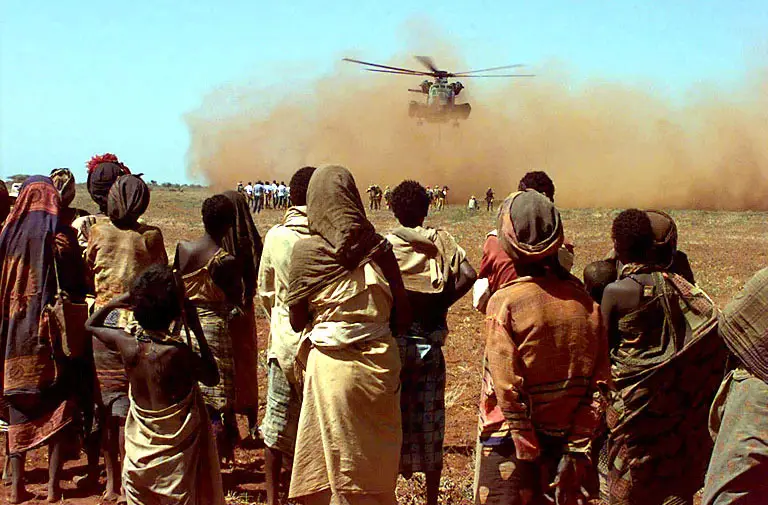
Introduction — A Continent Still in Conflict
Africa remains home to several deadly and persistent wars that continue to reshape its political and humanitarian landscape. While the exact number fluctuates, over 15 African countries have experienced active armed conflicts, with sources like the Geneva Academy reporting more than 35 non-international armed conflicts (NIACs) across the continent in recent times. From the deserts of Sudan to the jungles of the Congo, conflicts driven by power struggles, ethnic divisions, and extremist insurgencies continue to devastate millions of lives.
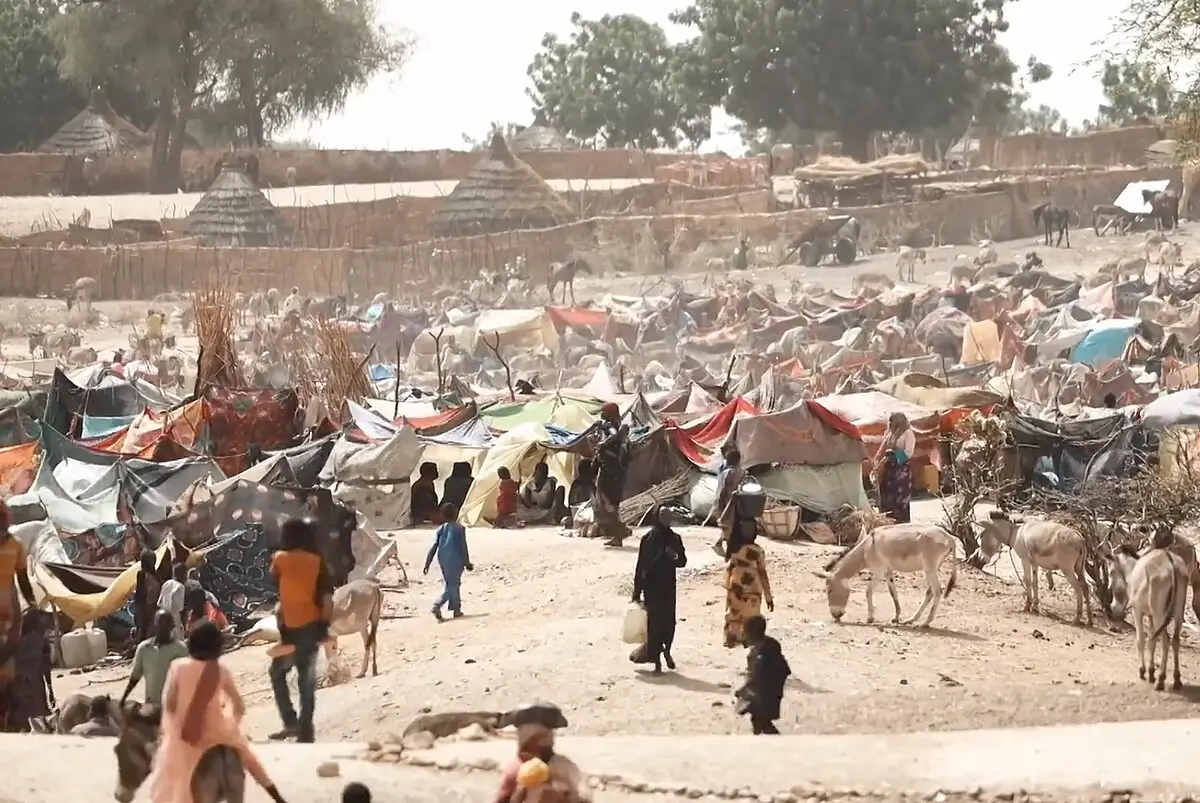
Sudan — The War Between Brothers
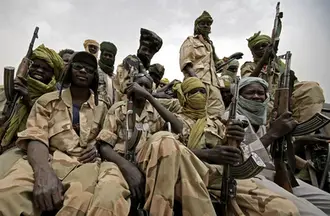
Sudan’s civil war, now in its second year, remains the deadliest conflict in Africa. The fighting between the Sudanese Armed Forces (SAF), led by General Abdel Fattah al-Burhan, and the Rapid Support Forces (RSF), commanded by Mohamed Hamdan Dagalo (Hemedti), has devastated the country since April 2023. Currently, more than 13 million people have been displaced and vast areas of Khartoum, Omdurman, and Darfur lie in ruins. The RSF controls much of western Sudan, while the army holds the east and parts of the north. Reports of ethnic killings, starvation, and deliberate blockades have intensified, prompting warnings of famine and genocide. Despite mediation attempts by the African Union and neighbouring states, no ceasefire has held, and Sudan now faces state collapse on a scale unseen since the 1990s.
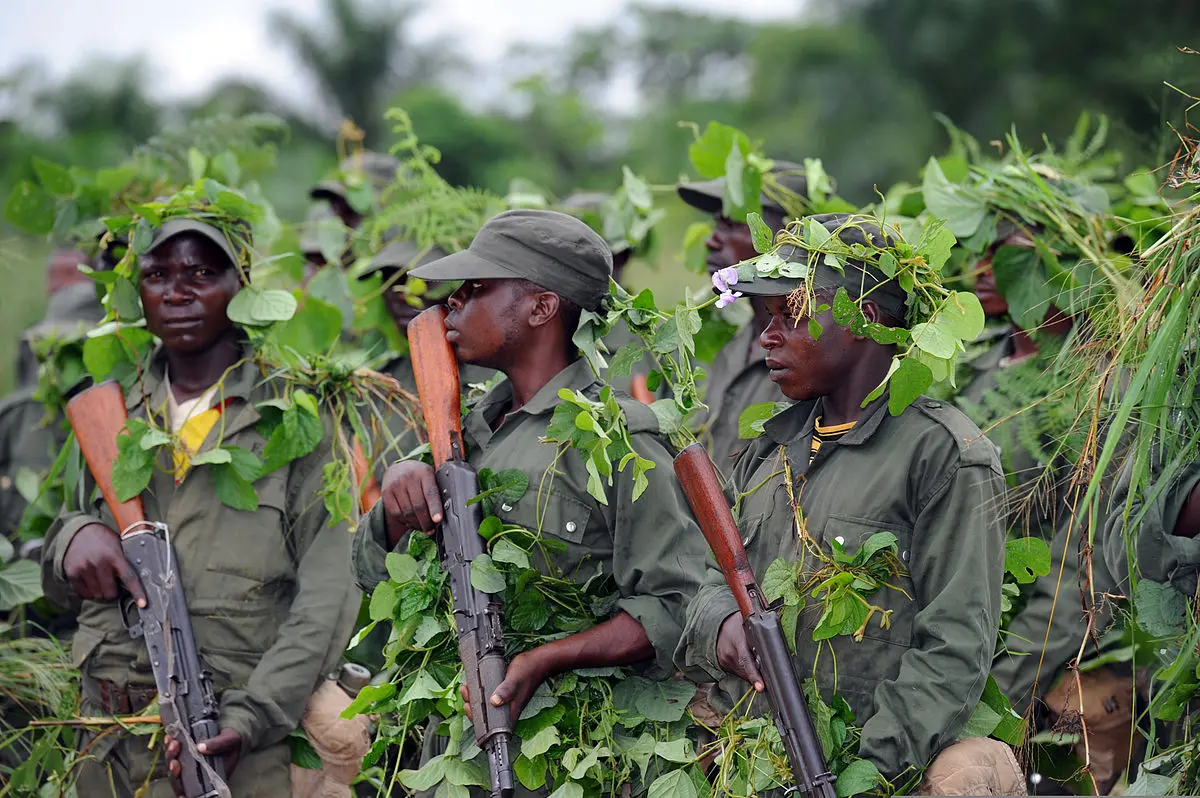
Democratic Republic of the Congo — Endless Battles in the East
In the eastern DRC, war has persisted for decades but intensified again in 2024 and 2025. Rebel movements such as M23, along with dozens of armed groups, continue to clash with government forces in North Kivu and Ituri. The fighting has uprooted hundreds of thousands and reignited tensions with neighbouring Rwanda. Despite international mediation, peace remains elusive as civilians continue to bear the brunt of militia violence, sexual assault, and mass displacement.
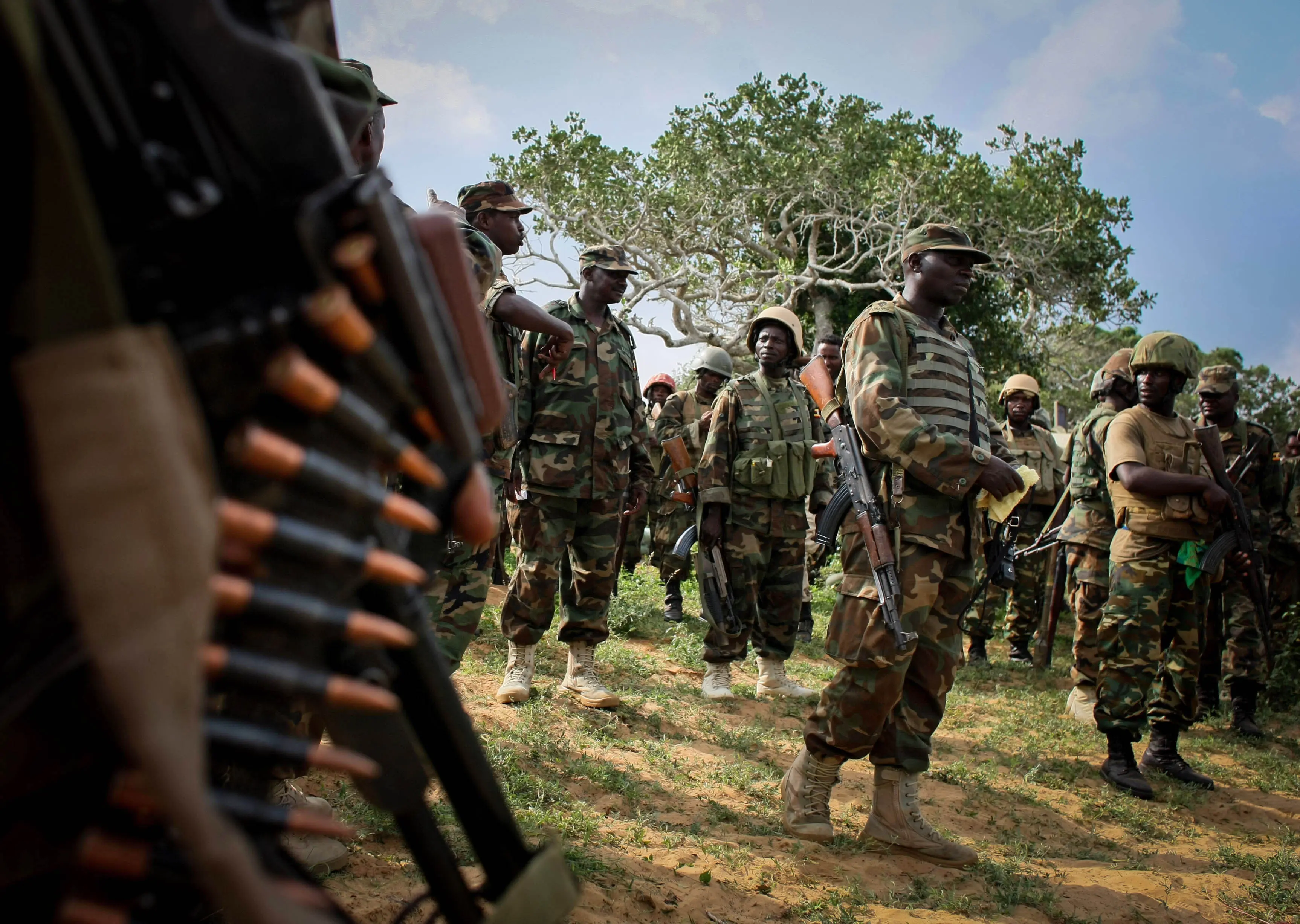
Somalia — The Relentless Insurgency
Somalia’s long war with al-Shabaab continues to destabilise the Horn of Africa. The militant group regularly launches attacks on cities, security bases, and civilian areas, including recent raids near Mogadishu. Despite government offensives backed by international forces, al-Shabaab retains control over large rural areas. The conflict has crippled Somalia’s recovery, leaving millions reliant on humanitarian aid while insecurity limits access to food and essential services.
The Sahel Trio — Mali, Burkina Faso, and Niger
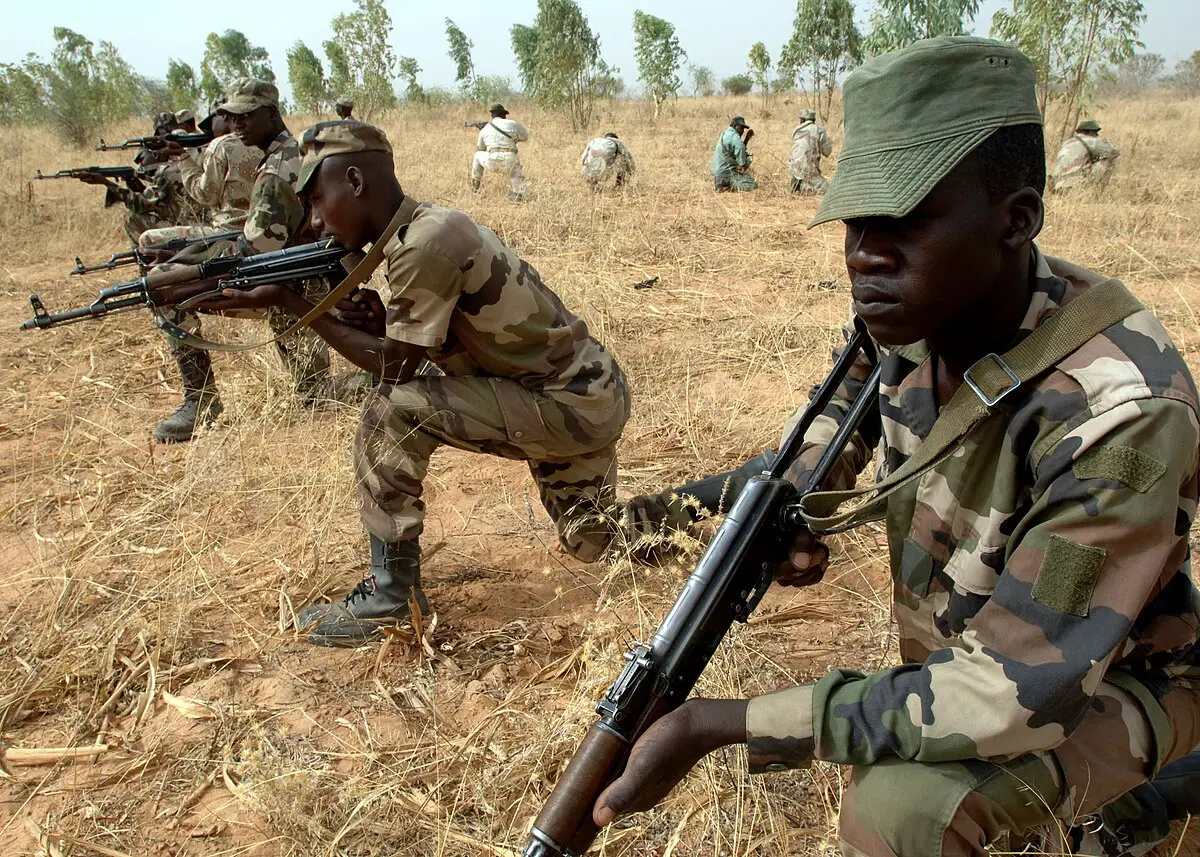
Across the Sahel, three countries remain trapped in overlapping conflicts. In Mali, Islamist insurgents and Tuareg factions battle government and foreign troops amid political turmoil. Burkina Faso faces similar violence, with militants expanding their reach across the north and east. Niger, though relatively more stable, suffers cross-border attacks and insecurity following regional coups. The combined effect has been devastating, vast territories under insurgent control, millions displaced, and widespread hunger.
Mozambique — The Cabo Delgado Conflict
Northern Mozambique’s Cabo Delgado province continues to face a violent insurgency led by extremist groups aligned with the Islamic State. Despite the deployment of regional troops and international assistance, sporadic attacks on villages, towns, and energy projects persist. The violence has displaced hundreds of thousands and disrupted one of Africa’s most promising natural gas developments.
Cameroon and South Sudan — Fragmented Peace
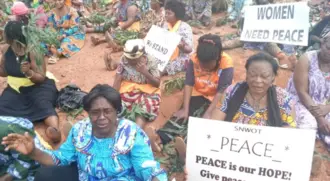
Cameroon’s English-speaking regions remain in turmoil, where separatist militias fight for independence against government forces. The conflict, often overshadowed internationally, has left thousands dead and schools, towns, and markets destroyed. South Sudan, meanwhile, lives under a fragile peace following years of civil war. Rival political and ethnic factions continue to clash, leading to localised violence and severe humanitarian distress despite power-sharing arrangements.
The Human Cost of Endless Wars
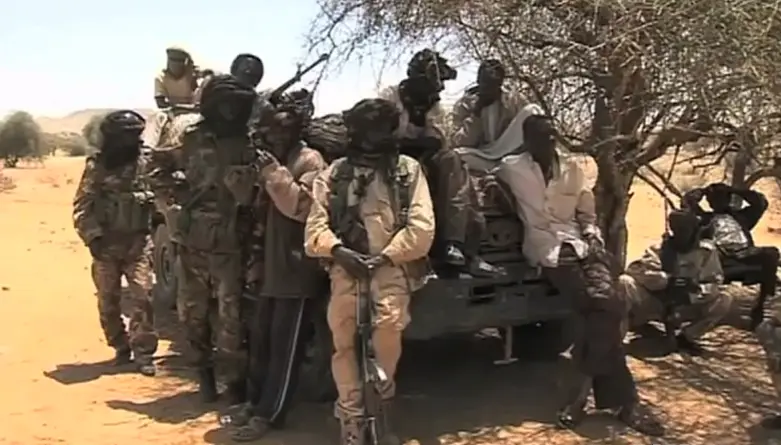
These nine conflicts vary in scale and cause, but they share a common thread: protracted instability and immense human suffering. Africa’s wars are no longer confined to frontlines; they erode governance, displace entire communities, and hinder development.
)
)
)
)
)