Could 3I/ATLAS be testing human response? Inside Avi Loeb’s hypothetical scenarios

As debate grows over the true nature of the interstellar object 3I/ATLAS, theoretical physicist Avi Loeb has proposed a provocative idea.
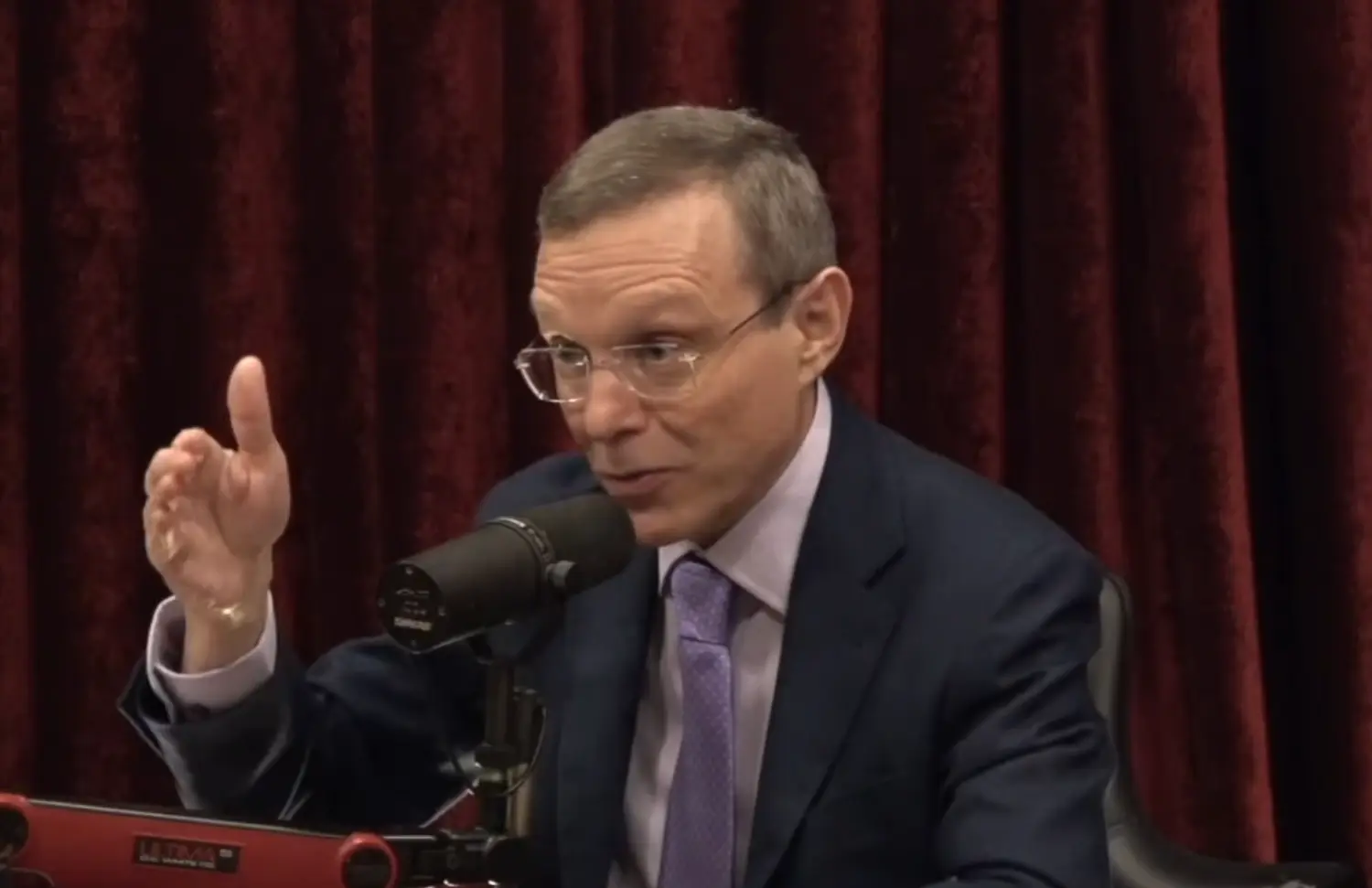
1. The “Behavioral Observation” Hypothesis
Loeb speculates that if extraterrestrial intelligences exist, they might send unmanned scouts into young planetary systems like ours, not to invade or communicate, but to observe societal and scientific reactions. “It’s like dropping a pebble into a pond and watching the ripples,” he said. Humanity’s global debate over 3I/ATLAS could itself be the data they seek.
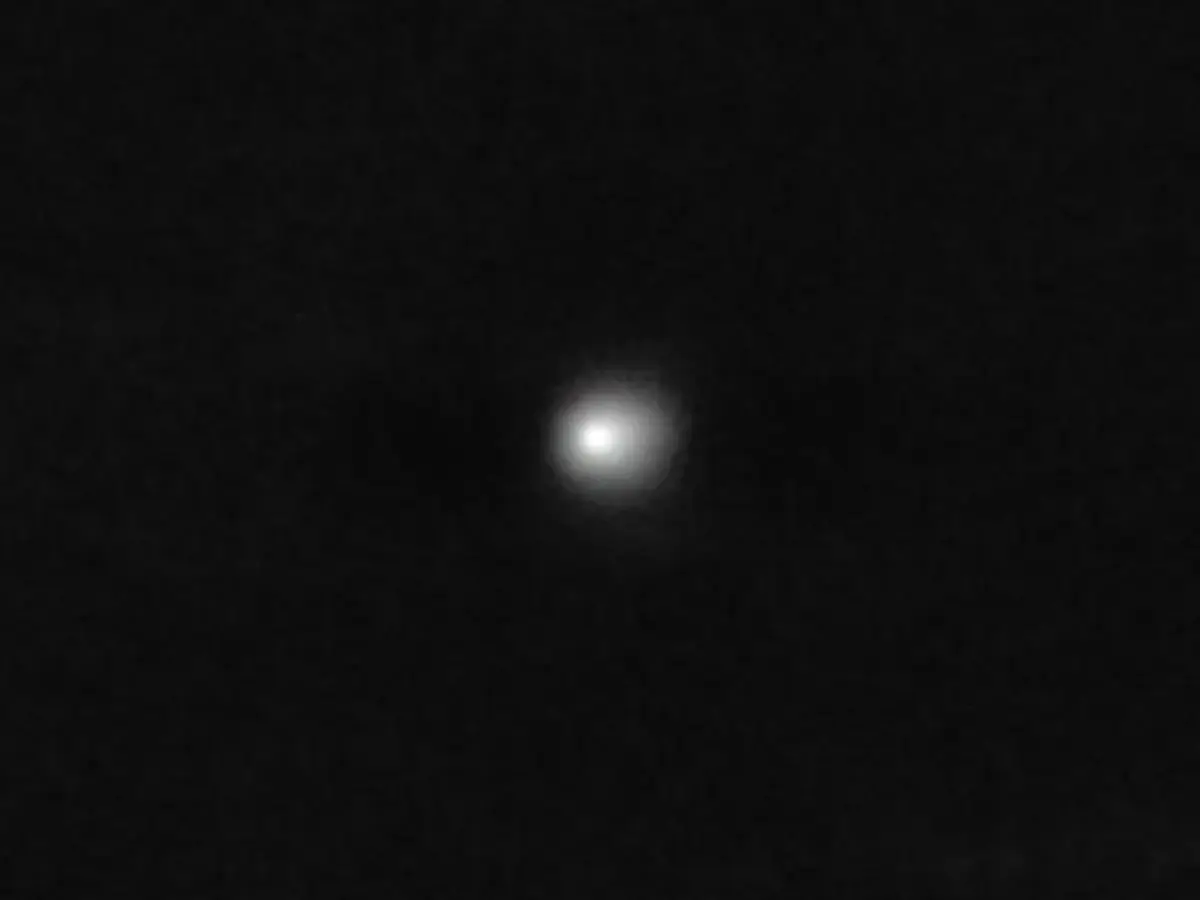
2. The Signal-Response Experiment
In this scenario, 3I/ATLAS might be emitting low-intensity or coded signals designed to measure whether Earth’s scientific instruments detect, decode, or ignore them. The fact that agencies disagree over its composition and trajectory could be evidence of the experiment’s “control variables.”
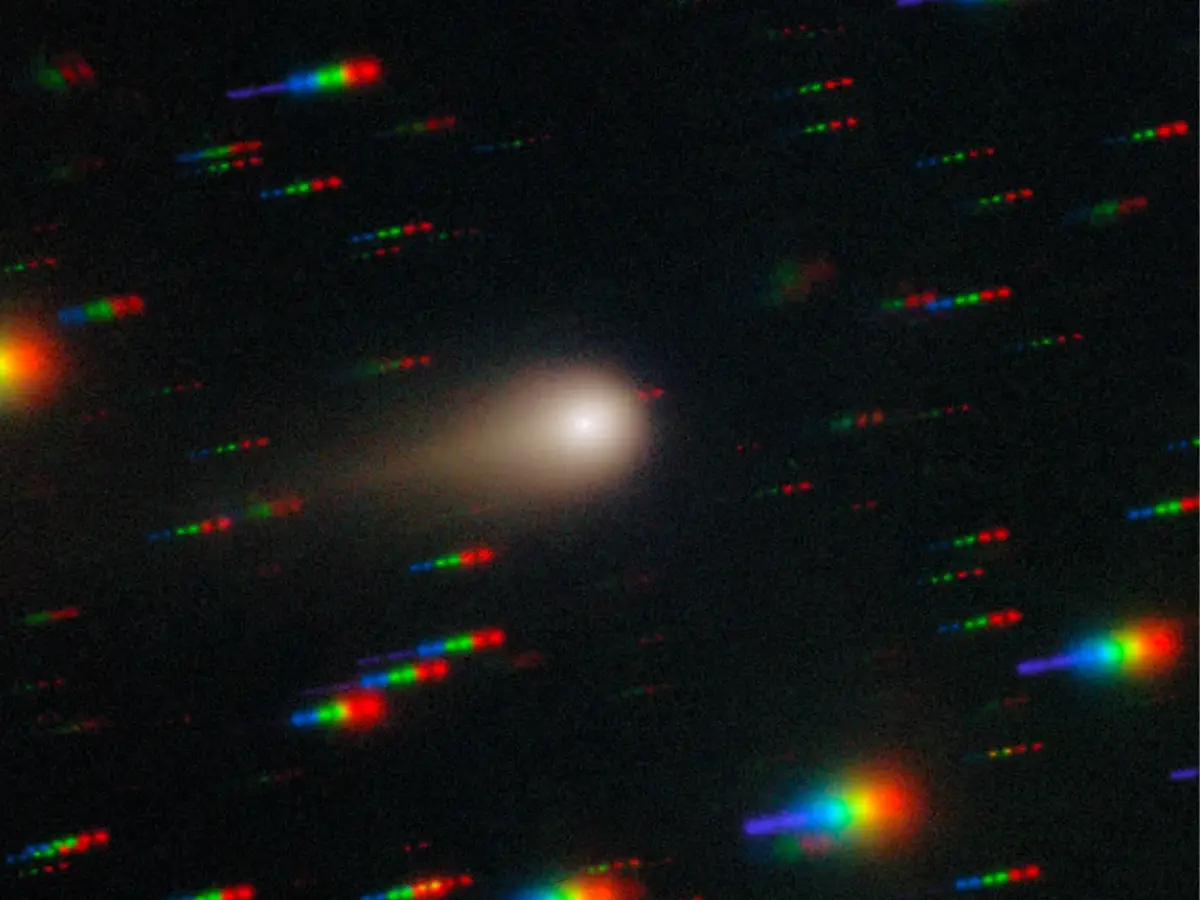
3. Mimicry as Camouflage
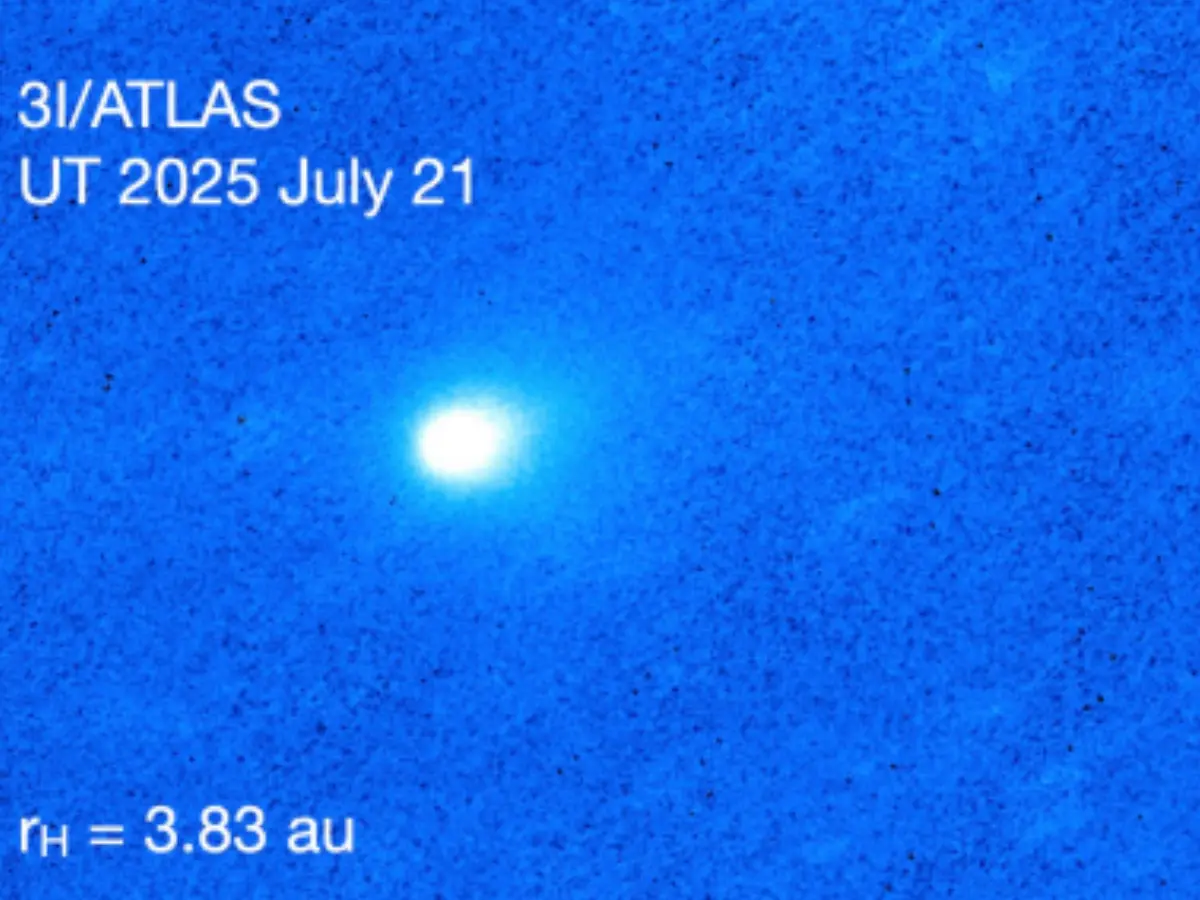
Loeb’s team has noted that 3I/ATLAS displays both asteroidal and comet-like behaviour, making it difficult to classify. He suggests that this ambiguity could be intentional, a way to blend into cosmic background noise, avoiding detection until humanity reaches a certain technological maturity.
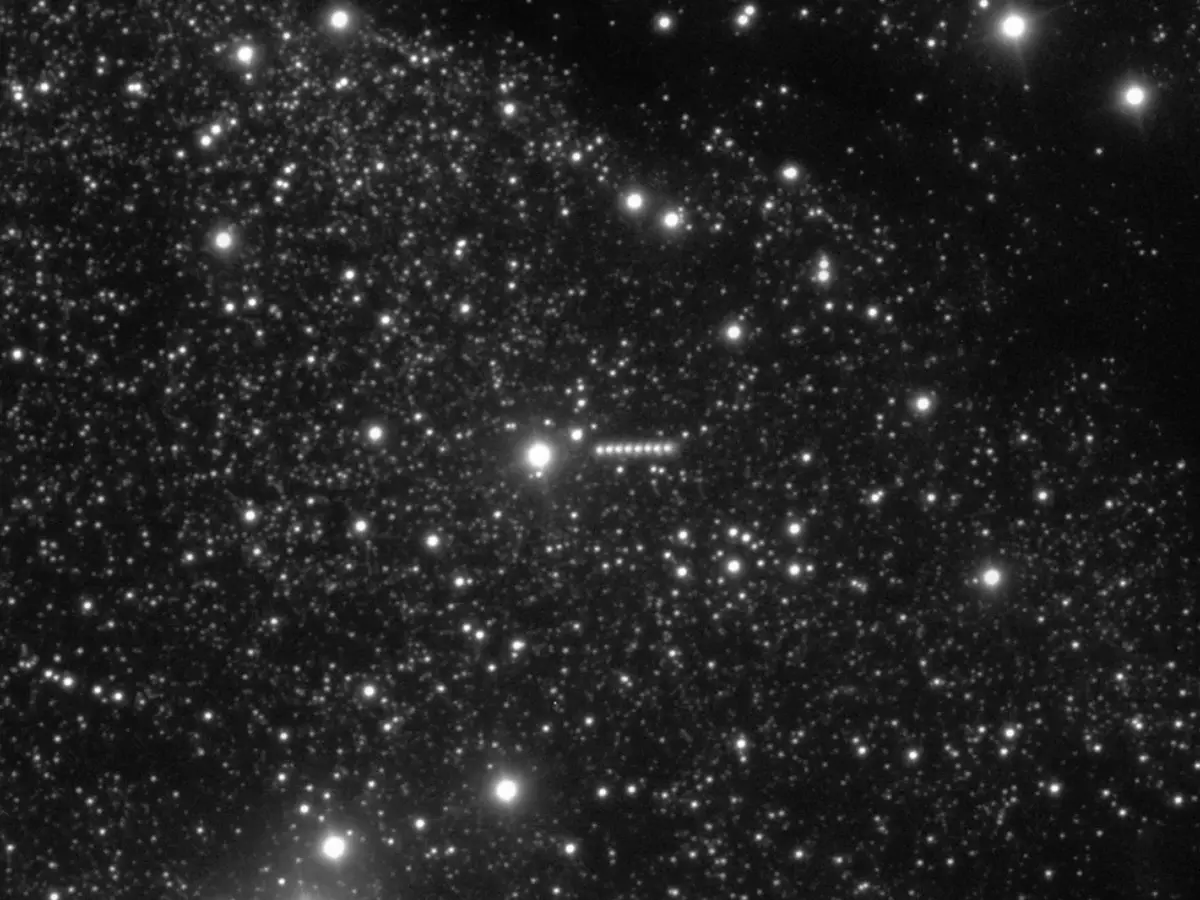
4. The “Psychological Probe” Angle
Beyond scientific observation, Loeb raises a cultural question: how would humans emotionally respond to the idea of a non-natural object entering our solar system? From online conspiracy theories to mainstream media panic, he argues that our collective behaviour may itself be under scrutiny.
5. Historical Parallels
Loeb compares the moment to the early Cold War, when both superpowers launched experimental satellites just to test radar coverage and public reaction. “It’s not so different,” he said on a recent show. “If they’re decades or centuries ahead, this might be their version of Sputnik.”

6. A “Silent Communication” Model
Another possibility: 3I/ATLAS could be waiting for a specific human action, a radar ping, laser signal, or propulsion burn, to trigger a measurable response. Loeb emphasises that even silence can be a form of communication. “They might be waiting for us to notice intelligently, not emotionally.”
7. The Larger Implication
If Loeb’s hypothesis is true, 3I/ATLAS isn’t just an interstellar mystery, it’s a mirror. How governments, scientists, and the public handle uncertainty might determine whether we’re ready for real contact. “The question isn’t what they’re testing,” Loeb concludes, “it’s whether we’re passing.”
)
)
)
)
)