'Centuries in the making': 6 mind-blowing structures that took centuries to finish

The following six projects represent the longest, most arduous building efforts in history, shaped by shifting empires, evolving technology, and the perseverance of generations.
human ambition
Some architectural works emerge swiftly; others unfold so slowly they span entire eras. The following six projects represent the longest, most arduous building efforts in history, shaped by shifting empires, evolving technology, and the perseverance of generations. Their stories are not just about time, but about how people continue to build despite conflict, poverty, changing tastes and even lost knowledge.
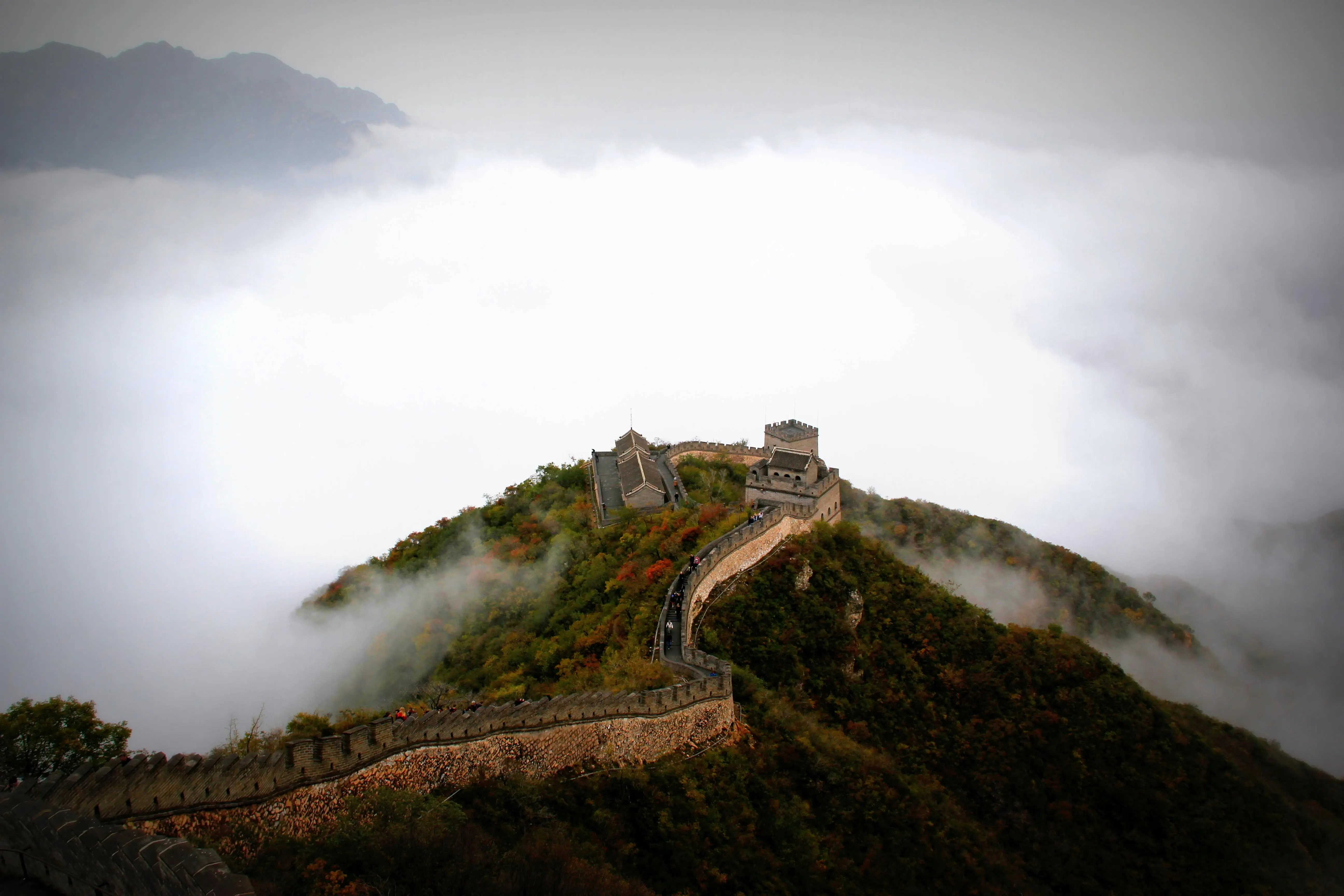
Great Wall of China — layers upon layers
The Great Wall is as much a timeline as it is a structure. Originating as early defensive barriers in the 7th century BC, it was first unified under the Qin dynasty and then rebuilt and expanded for over a thousand years, particularly during the Ming era.Over 19 different dynasties contributed to its construction and fortification over 2,000 years. Rather than a single construction project, it is a series of reinventions responding to new threats and shifting borders.
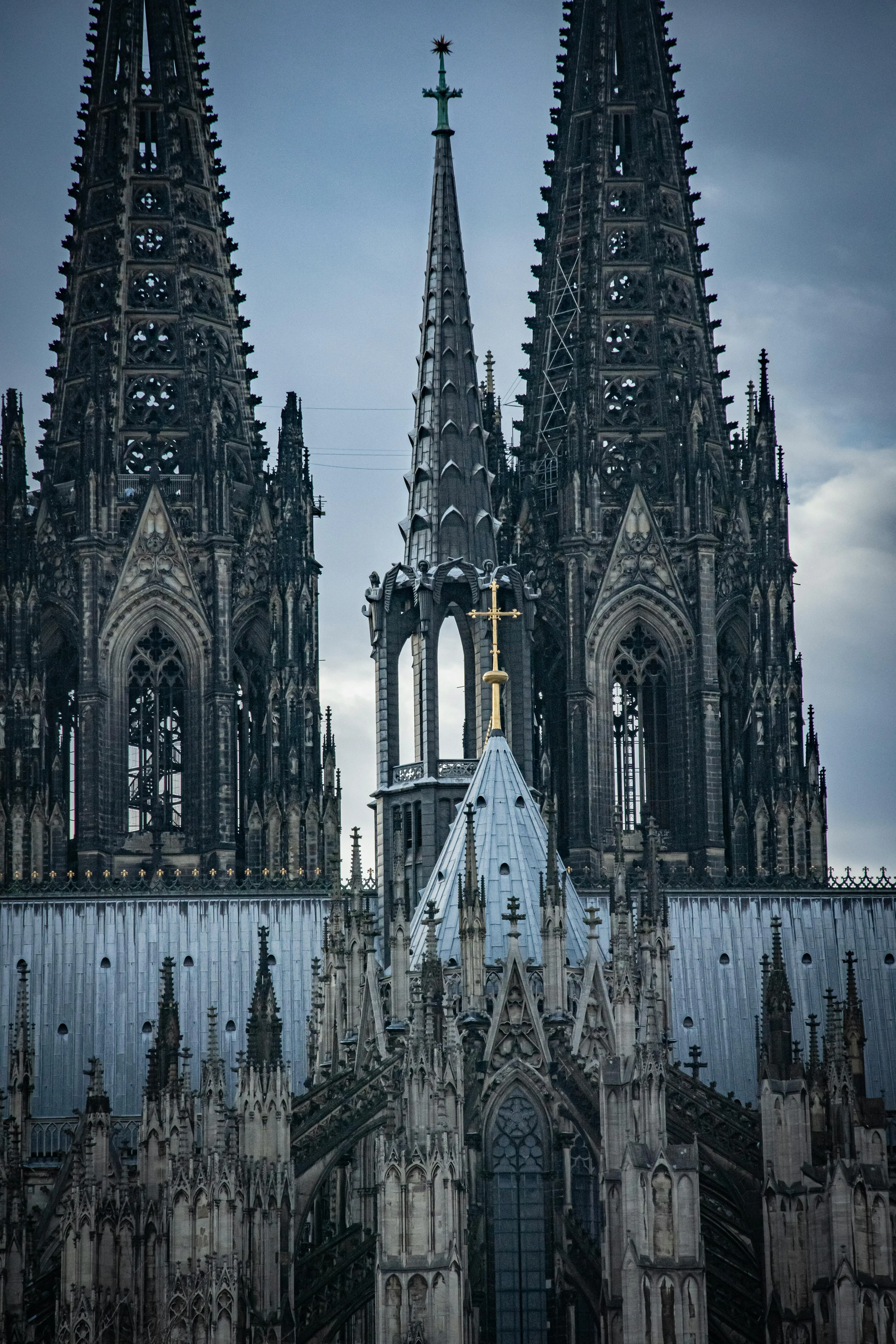
Cologne Cathedral — medieval plan, modern finish
Cologne Cathedral was launched in 1248, halted in the mid-1500s, and then astonishingly revived in the 19th century when nationalism and renewed interest in Gothic art spurred its completion. Hence, took 632 years to build. Thanks to centuries of interrupted work due to various obstacles, including wars, plagues, and other crises, it now stands as one of the rare medieval cathedrals finished according to its original design.
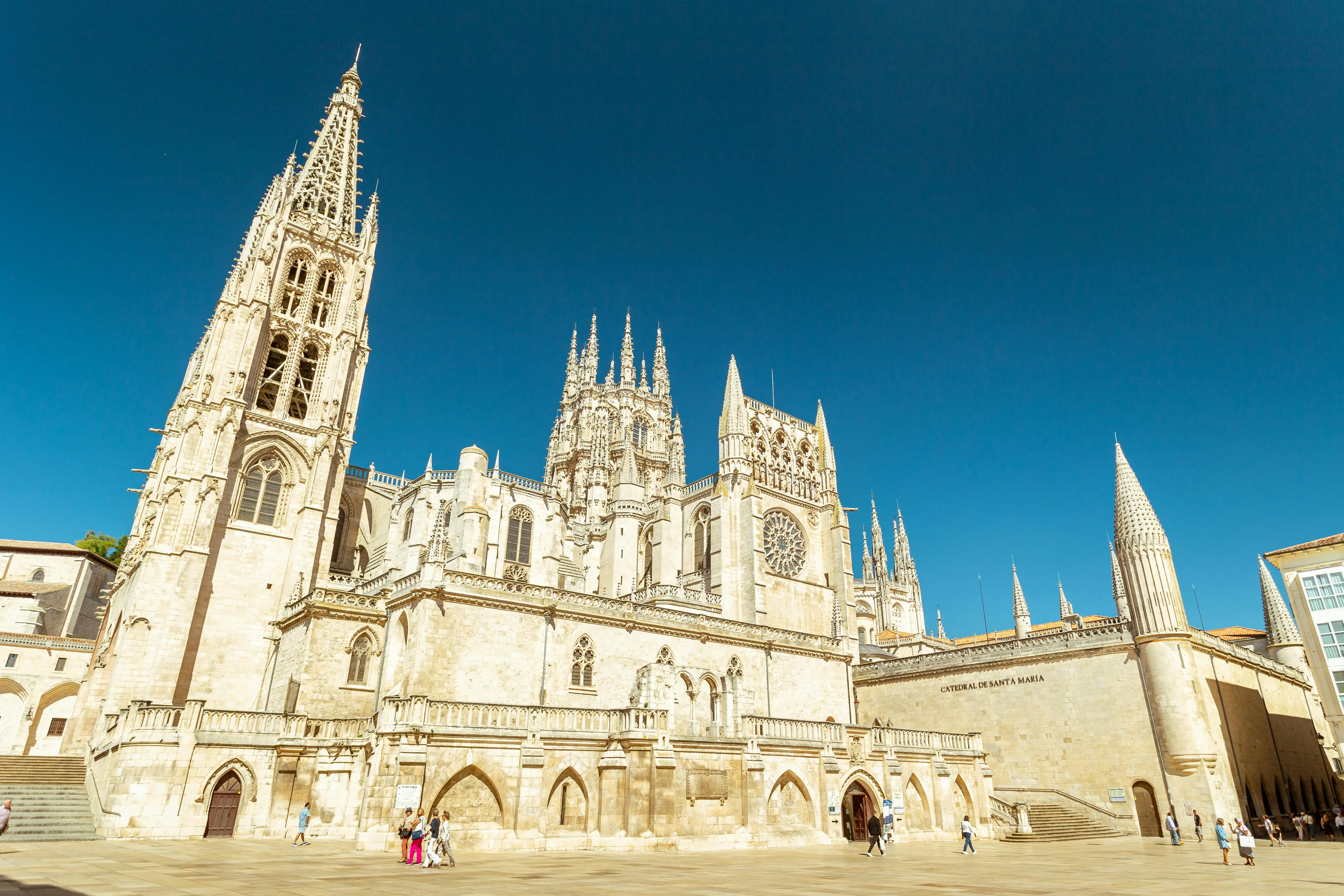
Burgos Cathedral — Gothic layers in stone
Spain’s Burgos Cathedral took from 1221 to 1567 to complete, and like many Gothic cathedrals, its slow progress produced a visible timeline in stone. The Cathedral was constructed over 346 years. Each century left its own artistic mark, turning the cathedral into a history lesson in architectural evolution.
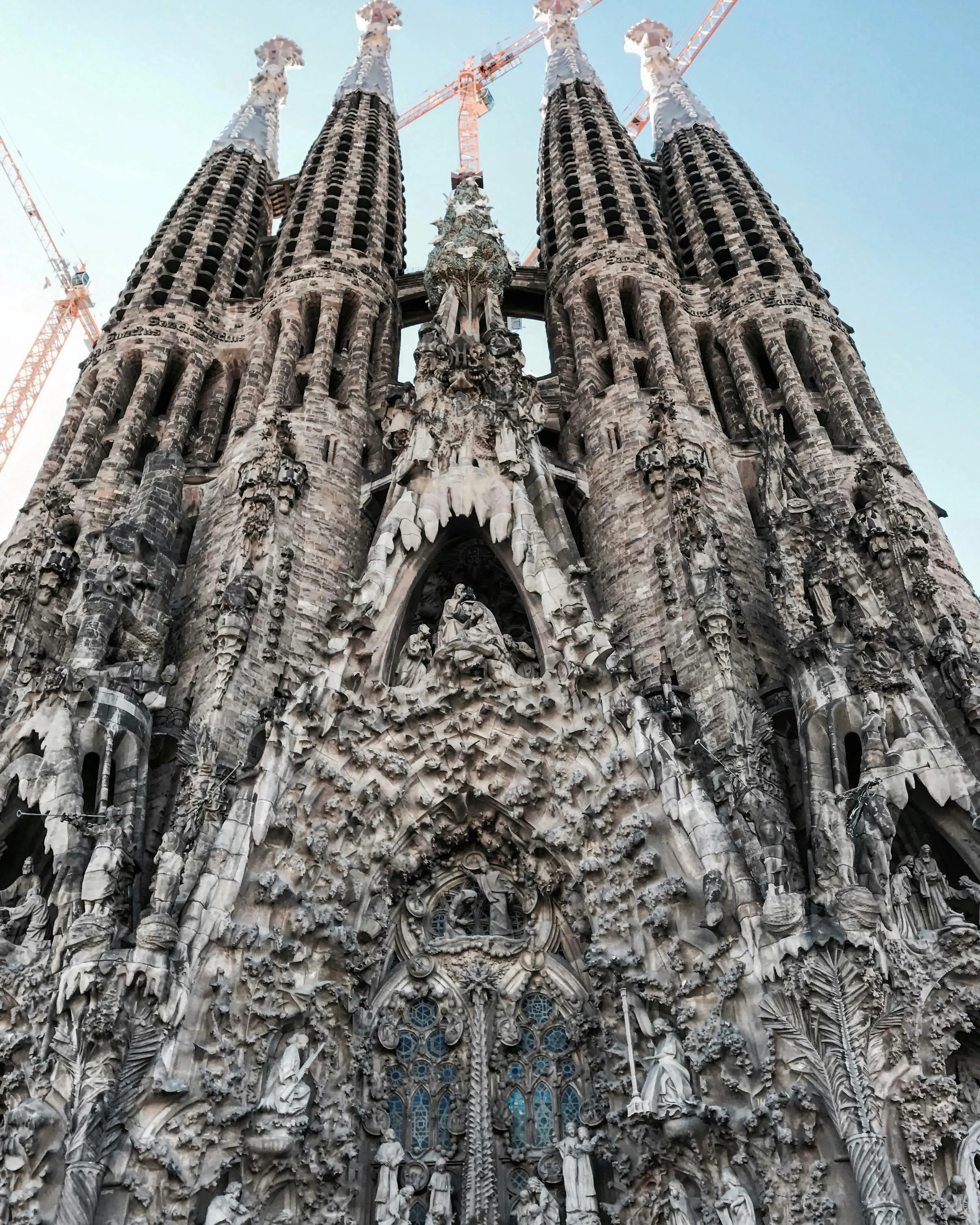
Sagrada Família — Gaudí’s unfinished symphony
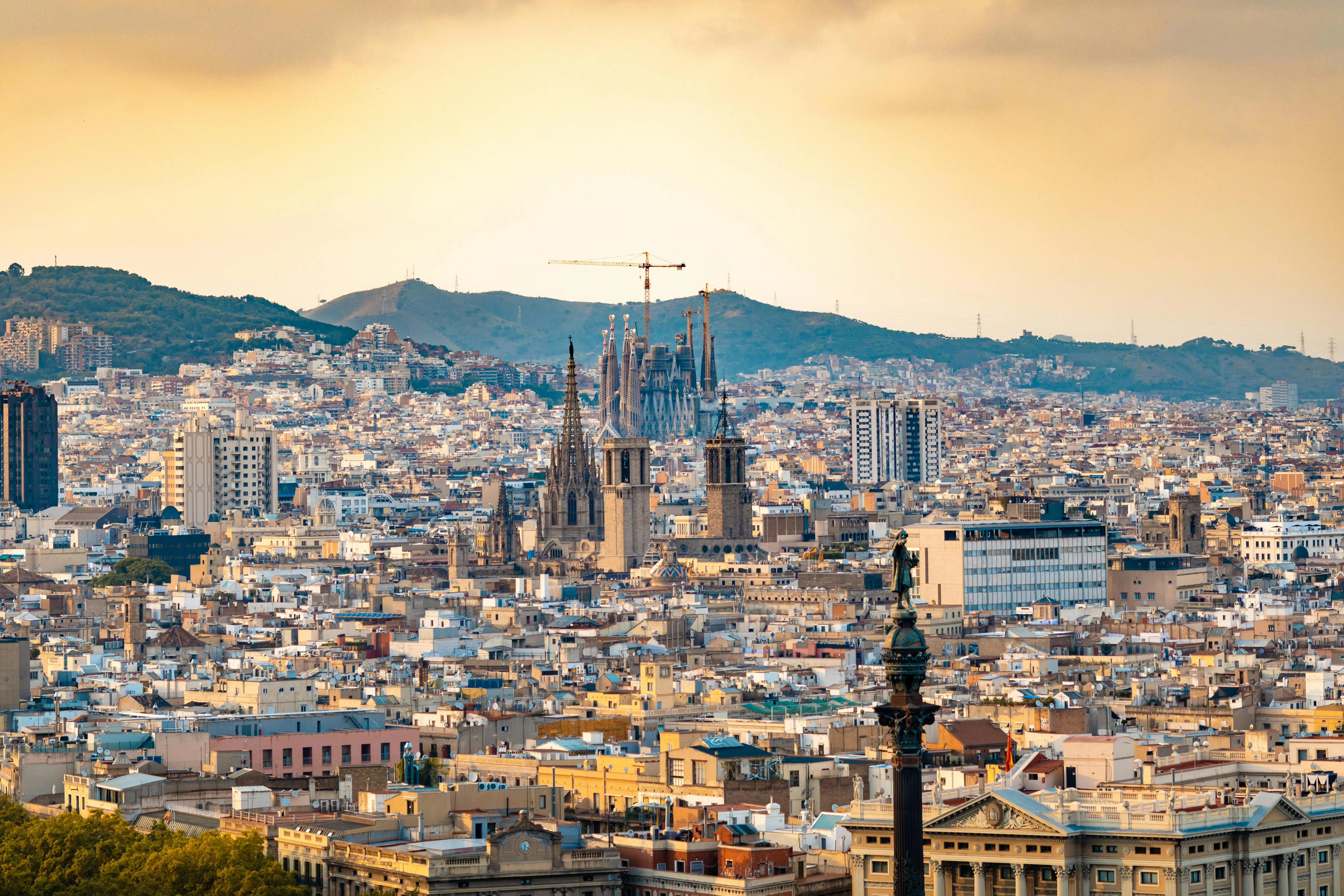
Construction on the Sagrada Família in Barcelona began in 1882 and continues today, for over 144 years. Antoni Gaudí transformed the original neo-Gothic plan into a vast organic vision, but his death, the Spanish Civil War, funding shortages, and modern engineering challenges contributed to its endless timeline. It remains the world’s most iconic incomplete building, and a symbol of devotion to gradual craft.
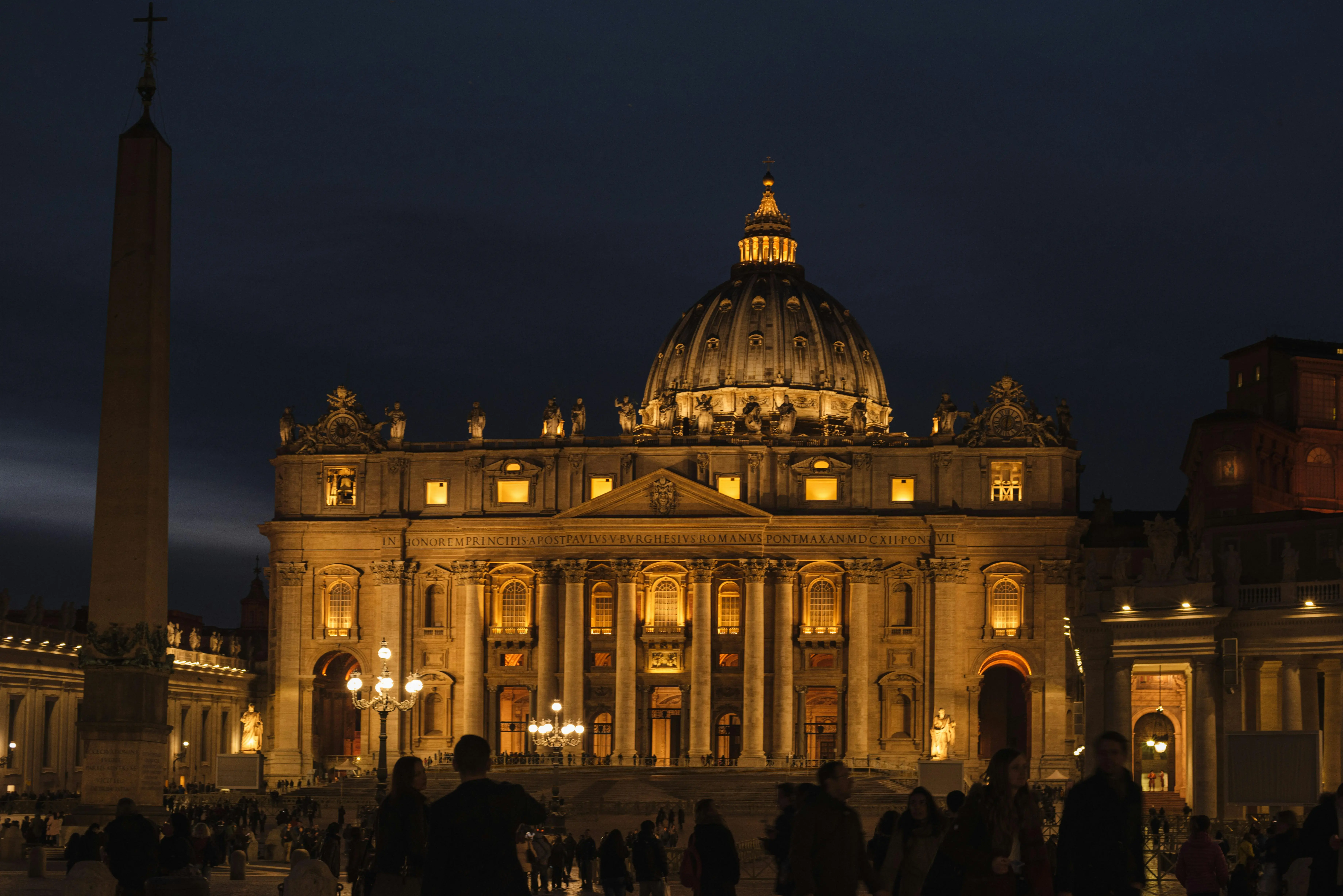
St Peter’s Basilica — 120 years of reinvention
The current St Peter’s Basilica replaced an older church dating to Constantine. Work began in 1506 and continued for more than a century, shaped by giants such as Bramante, Michelangelo and Bernini. It took approximately 120 years to complete. It is an example of how architectural ambition, religious power, and artistic rivalry can extend a project far beyond any original timeline.
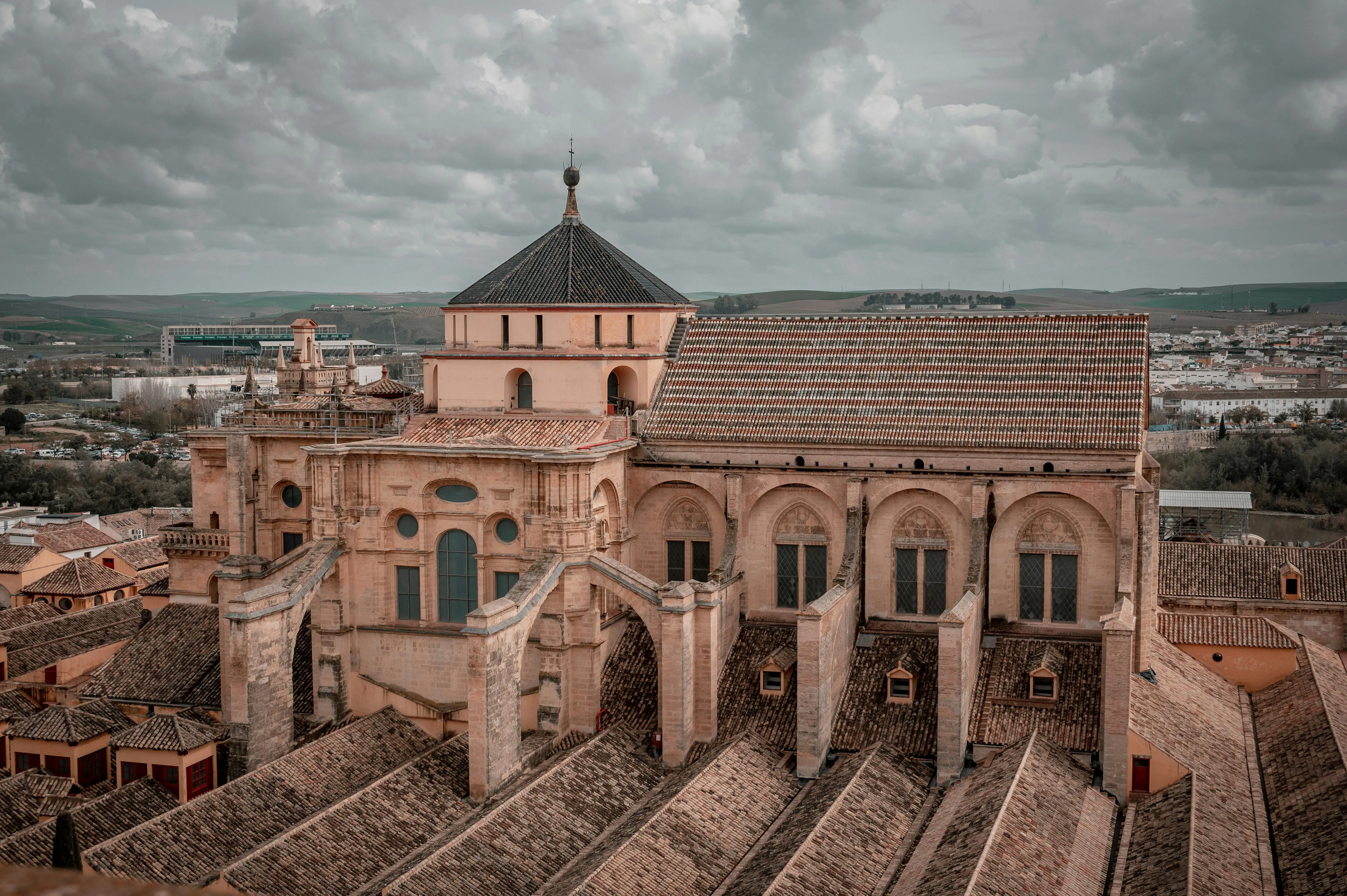
Mosque–Cathedral of Córdoba — a structure that changed faiths
Built as a mosque beginning in 785 and modified for centuries, the building was converted into a cathedral after the Reconquista. It took over 1200 years to complete. Rather than being demolished, it was adapted, resulting in one of the world’s most extraordinary architectural hybrids. Its “centuries-long construction” includes transformation, not just building.
)
)
)
)
)