Bugatti had to slow down their fastest car to avoid killing driver! All about Chiron Super Sport 300+

At speeds above 450 km/h, the tyres face extreme centrifugal forces and temperatures. Bugatti worked with Michelin to create reinforced tyres, but even those operate at the edge of safety, making regular use at such speeds highly risky.
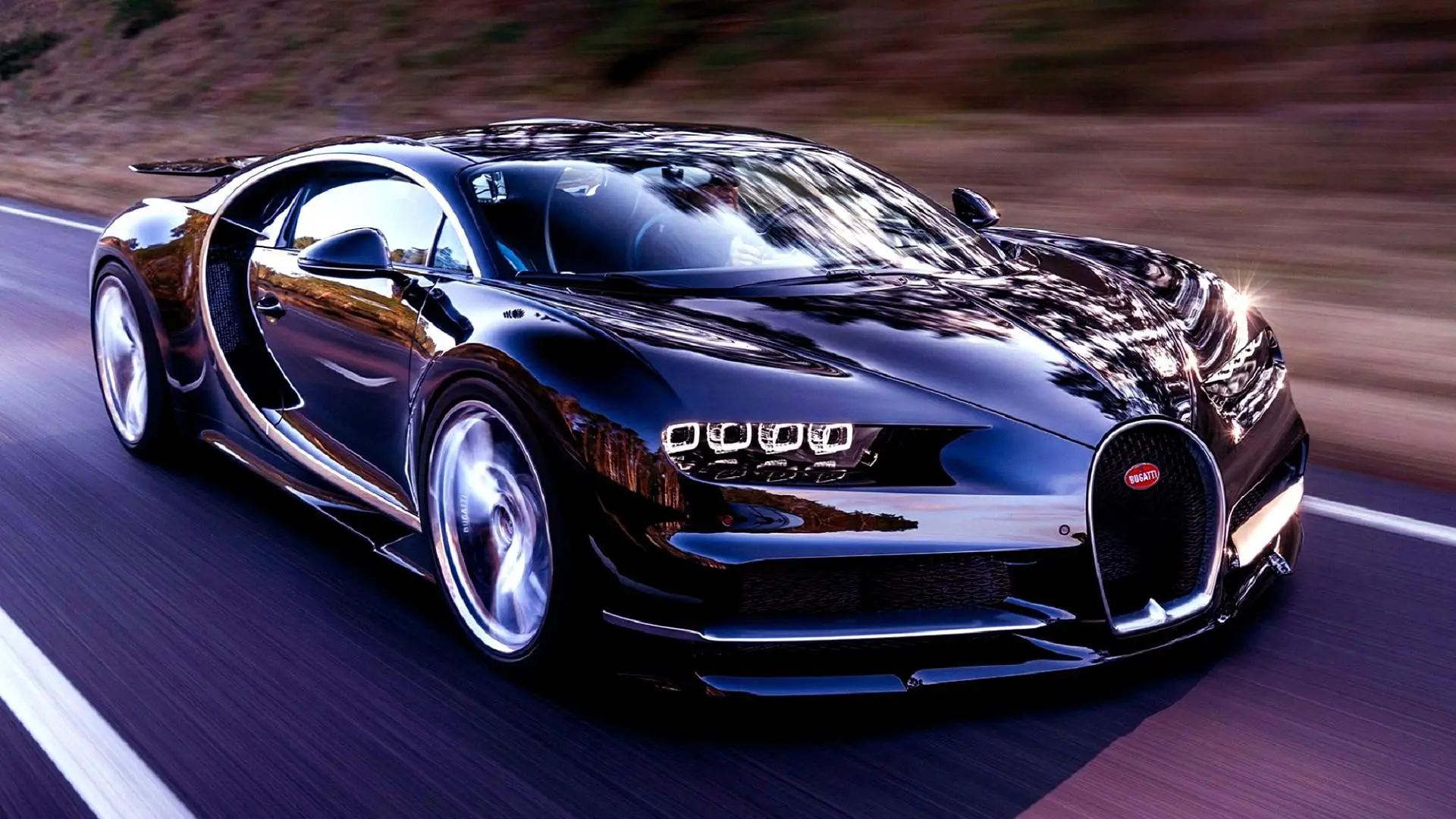
Record-Breaking Test Run
In 2019, Bugatti’s specially modified Chiron Super Sport 300+ broke the 300 mph (482.8 km/h) barrier at the Ehra-Lessien test track in Germany. It became the first hypercar to officially cross that threshold under test conditions.
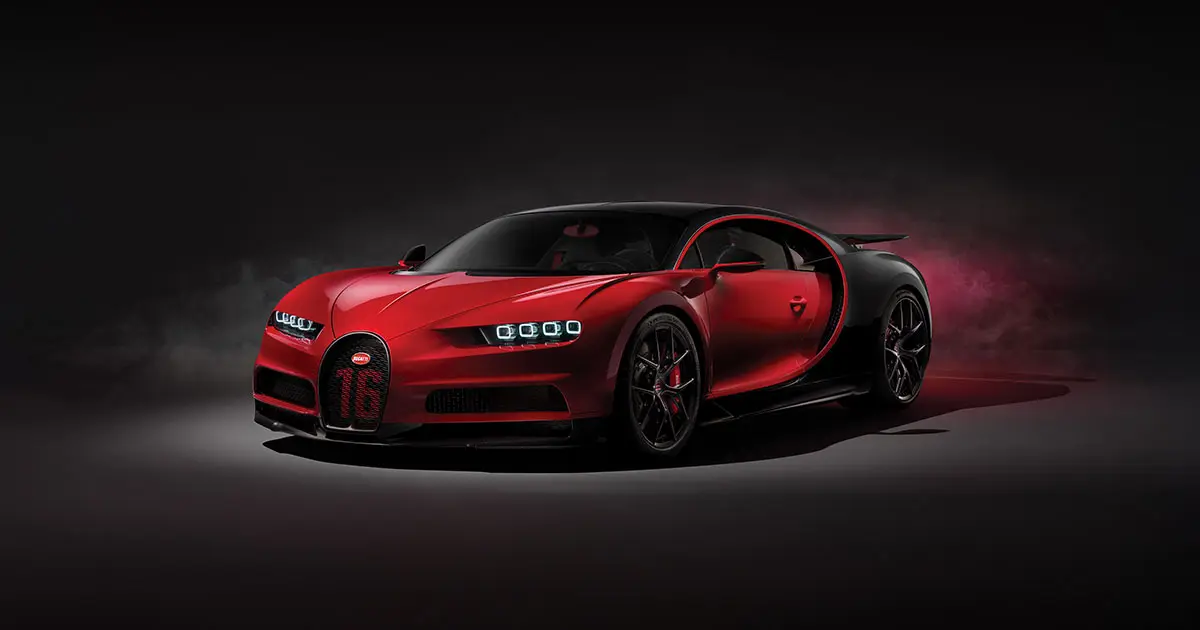
The Production Car Was Slower on Purpose
While the test car hit 300 mph, the customer version of the Chiron Super Sport 300+ is electronically limited to 440 km/h (273 mph). This was a conscious decision by Bugatti, not due to mechanical limitations, but because of safety and practicality concerns.
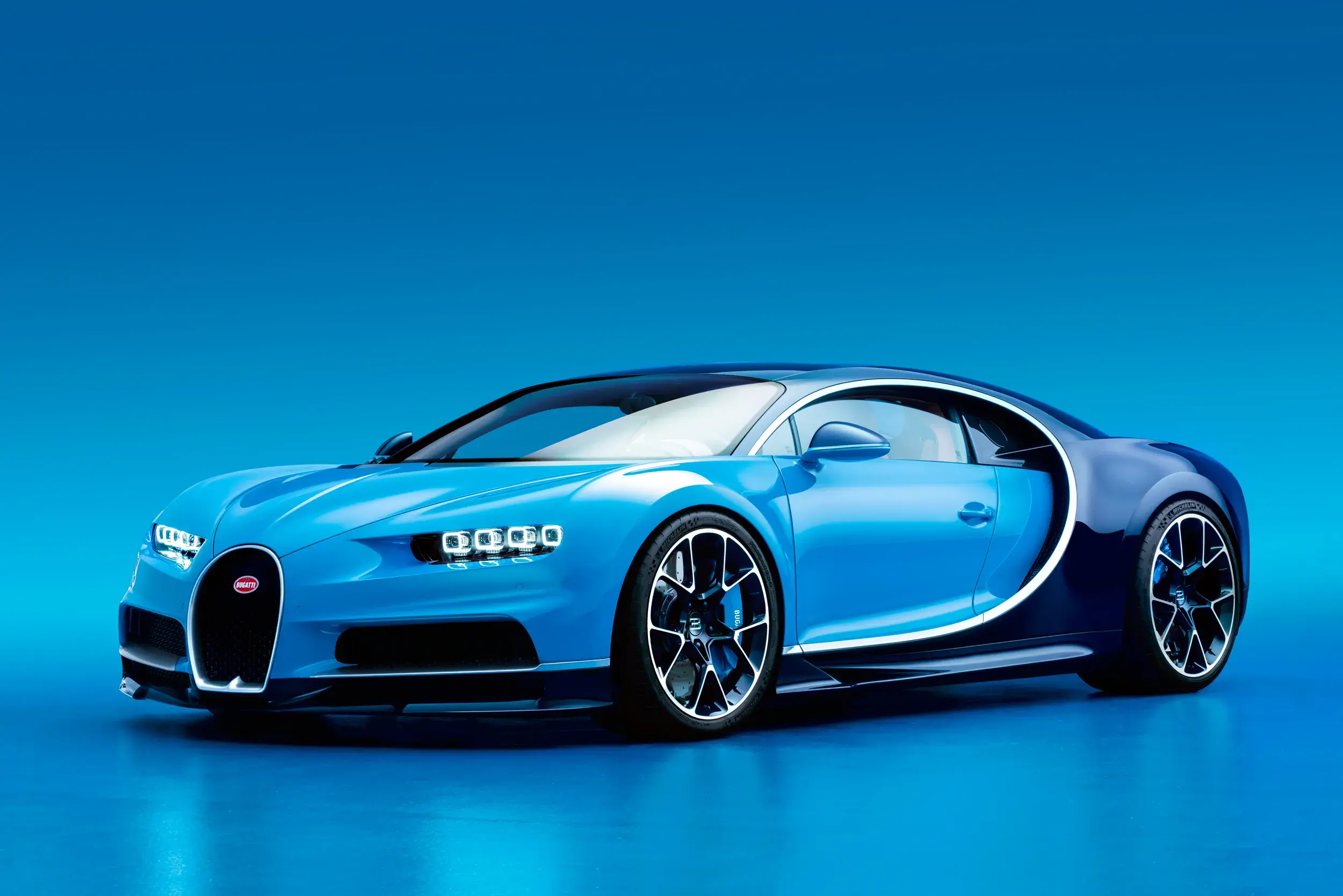
Tyres Are a Major Risk
At speeds above 450 km/h, the tyres face extreme centrifugal forces and temperatures. Bugatti worked with Michelin to create reinforced tyres, but even those operate at the edge of safety, making regular use at such speeds highly risky.

Human Reaction Time Isn’t Fast Enough
At over 480 km/h, the car covers about 133 metres every second. A small movement or error in steering or braking, even by a professional driver, leaves little room for recovery, increasing the chance of a fatal incident.
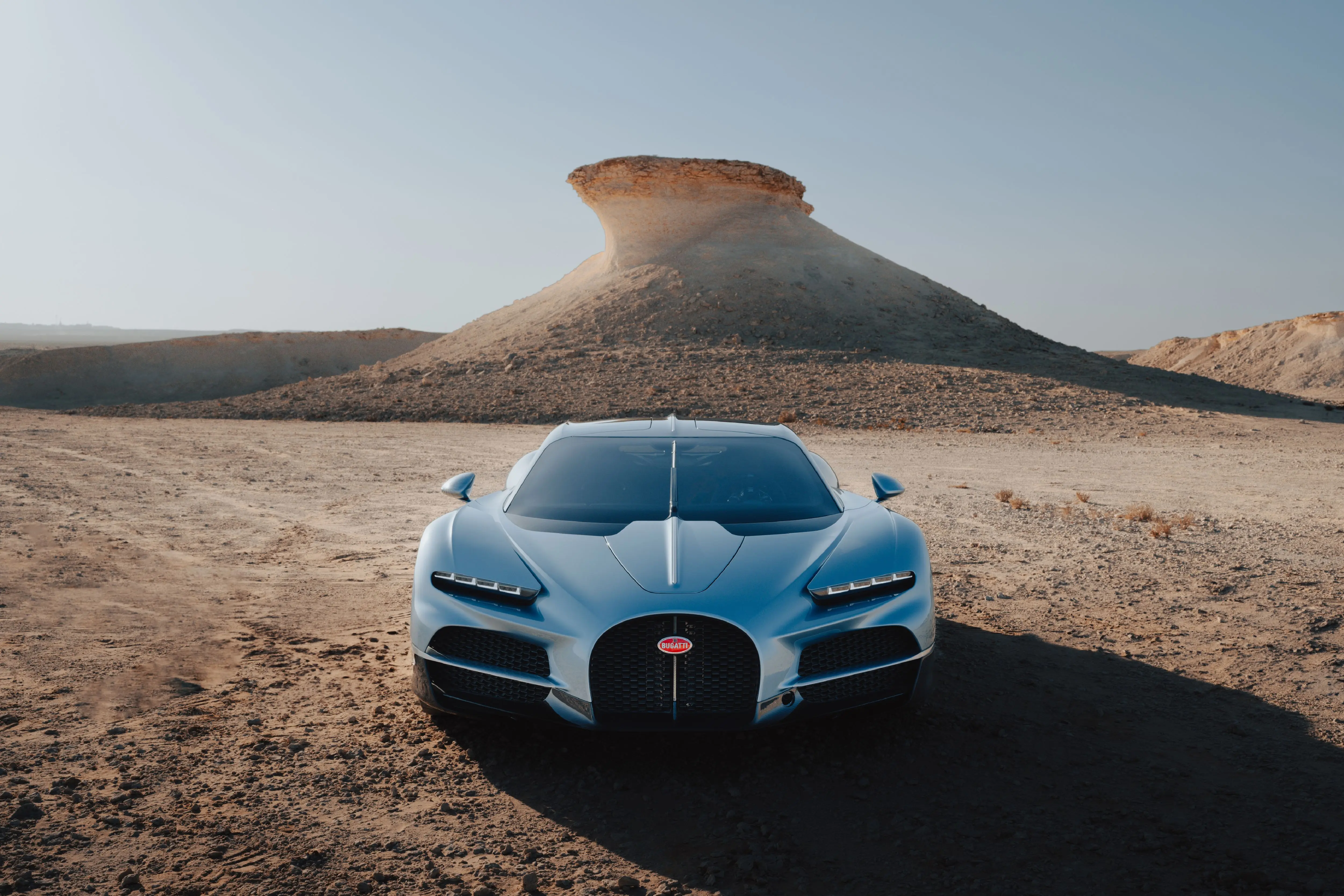
Aerodynamics Must Be Perfect
Airflow at those speeds becomes a physical force. Tiny changes in surface pressure or turbulence can cause lift, drag instability, or mechanical stress, making the car harder to control in real-world driving environments.

No Road or Track Can Safely Handle It
Aside from specialised tracks like Ehra-Lessien, there are no public roads designed to safely support or contain a car moving at such velocities. A slight bump or gust of wind could lead to disaster.

Safety, Not Just Speed, Defines Performance
Bugatti stated that the production car’s performance needed to be “balanced”, meaning the goal wasn’t just to go fast once, but to be safe and usable. Hence, they limited the speed for customer models.
)
)
)
)
)