7 things that could happen if Pakistan & Afghanistan start a full-scale war

If Pakistan and Afghanistan’s border clashes turn into a full-scale war, here’s what experts say could happen, from refugee crises to global instability.
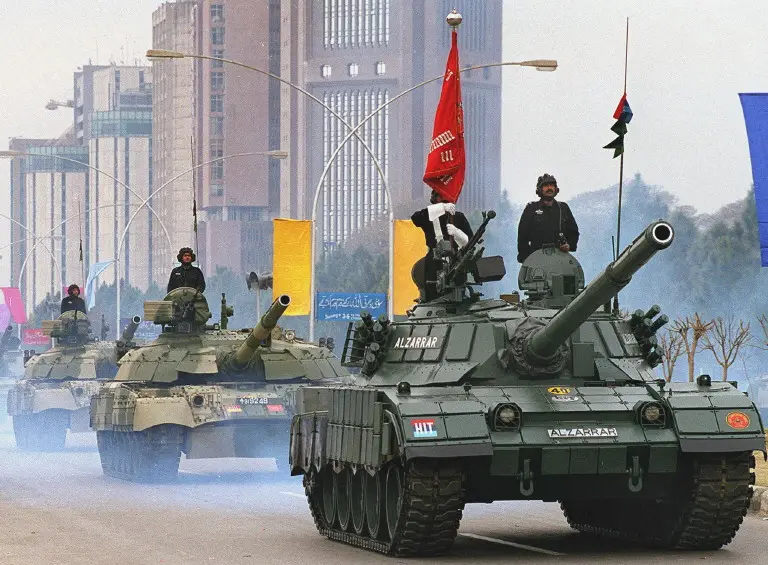
1. Major Humanitarian Crisis & Massive Displacement
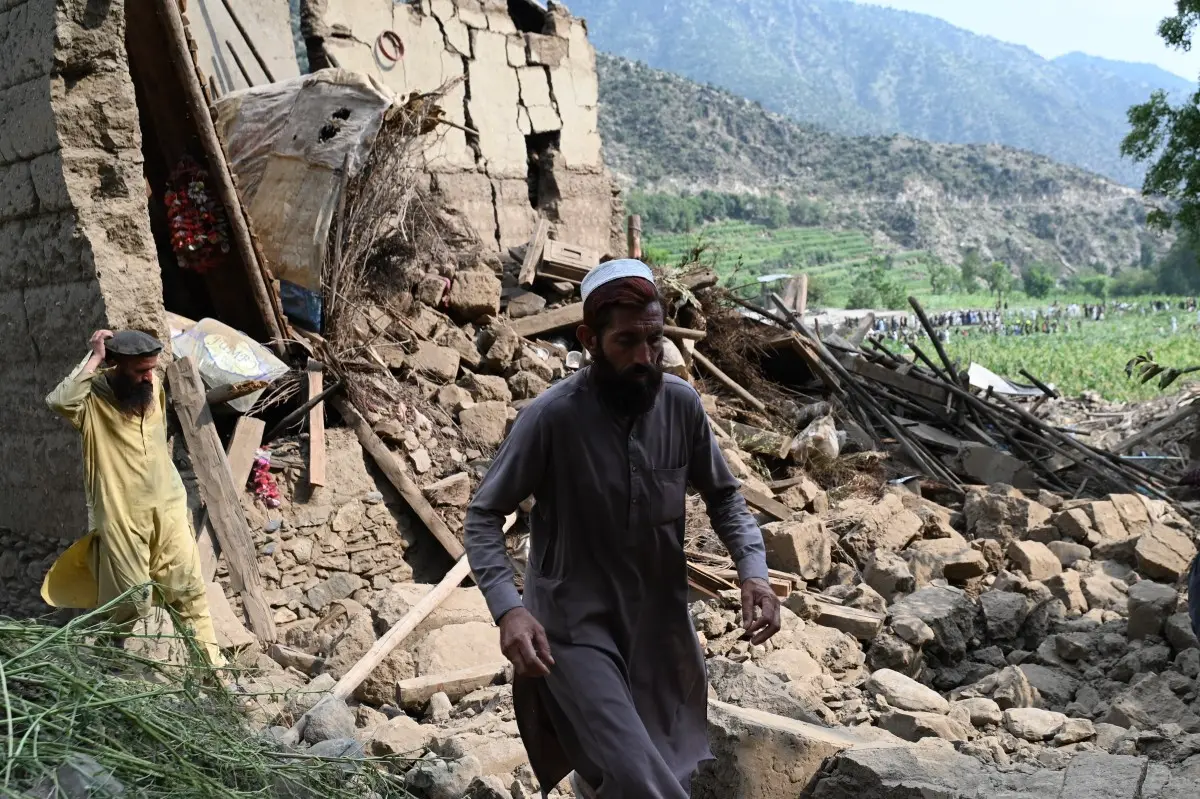
Prolonged conflict along the border could force large numbers of civilians on both sides to flee. Displaced populations may seek refuge in safer parts of Pakistan or Afghanistan, overwhelming local resources. Border towns (like Chaman, Torkham) will likely suffer the most, with homes destroyed, supply chains disrupted, and aid access blocked.
2. Trade Disruption & Economic Fallout
Border crossings are vital for trade between the two countries. Already, routes like Chaman and Torkham have been shut. Full-scale war would shut all major crossings, causing food, fuel, and goods shortages, pushing inflation up especially in Afghanistan, which depends heavily on imports. Pakistan’s economy could also suffer big losses through lost trade and rising security costs.
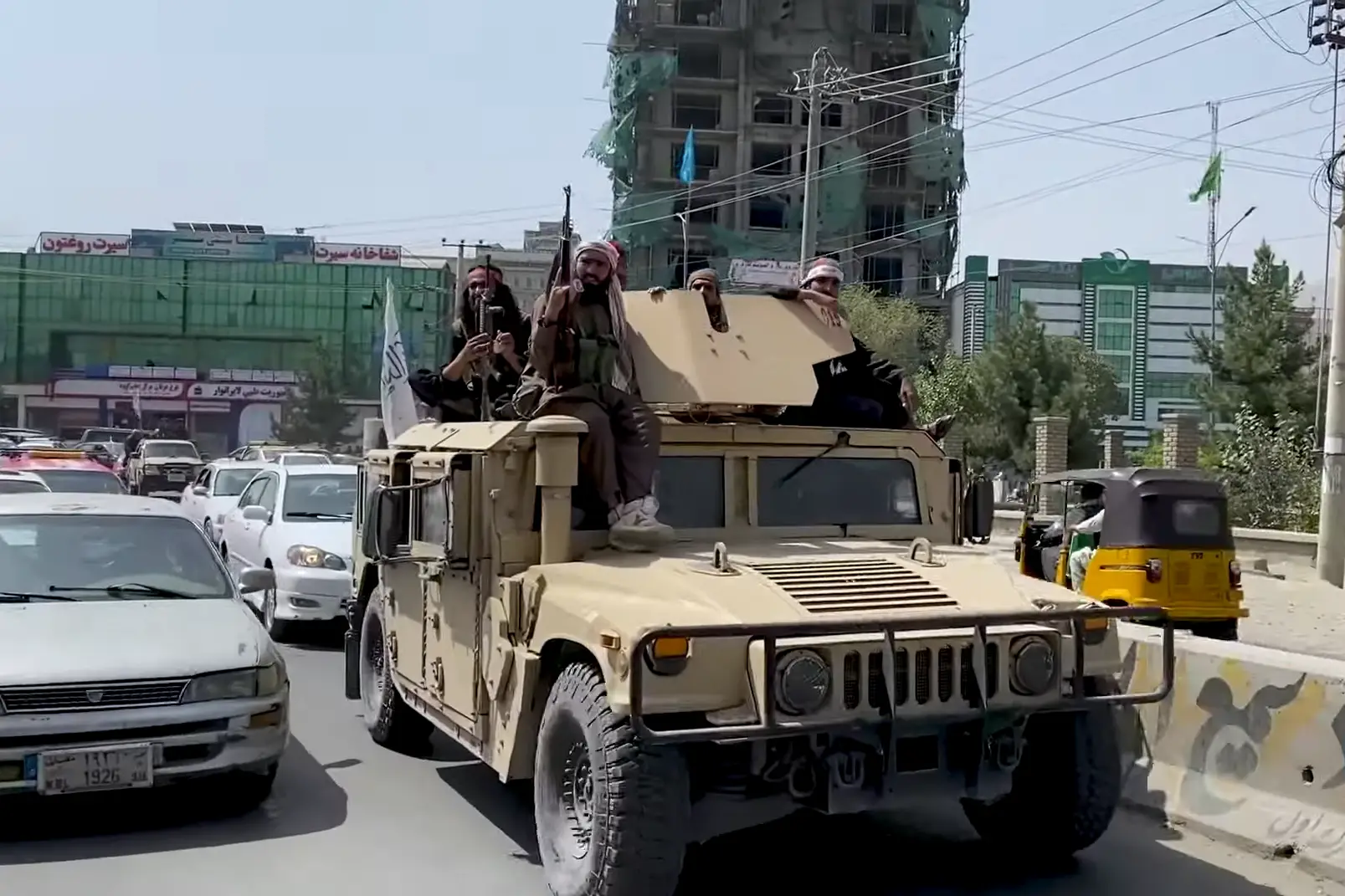
3. Spillover of Militant & Terror Groups
Both sides accuse the other of harboring militants. If war spreads, militant groups like the TTP could take advantage of chaos to strengthen their presence. Border areas being remote and rugged would make them hard to control. Also, the risk that extremist groups exploit the instability to expand operations or recruit more fighters will increase.
4. Strained International Relations & Regional Instability
Regional powers (India, China, Iran), international organisations (UN, neighbouring Central Asian states) would likely become involved diplomatically, maybe as mediators or pressure points. Global actors could be forced to take sides or intervene. There may also be pressure from international organisations because of civilian deaths and border violations.
5. Escalation to Air & Drone Warfare
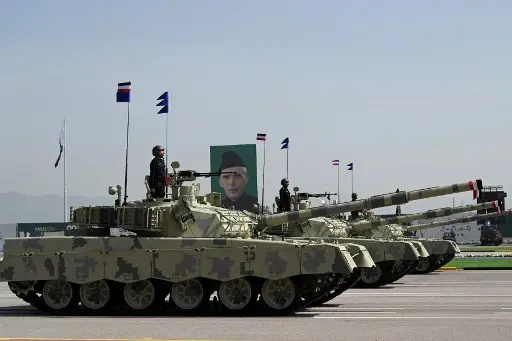
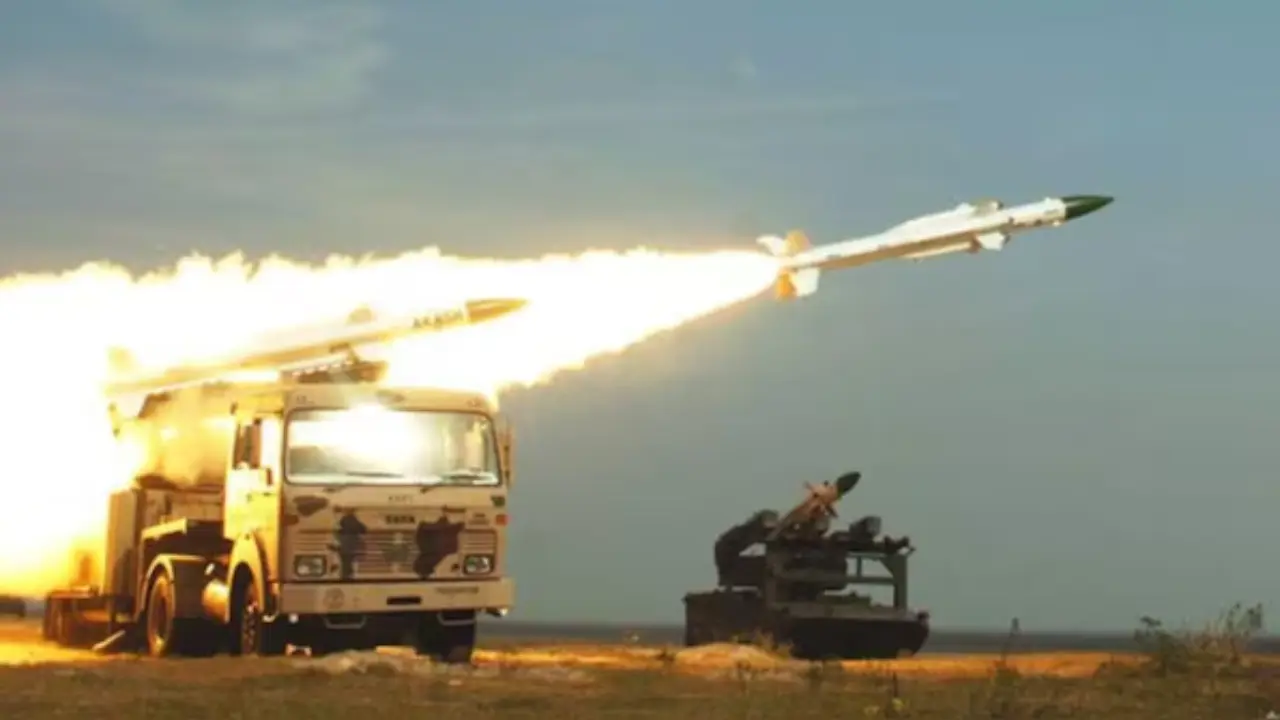
Current clashes have already involved airstrikes, drone strikes, and heavy weapons. Full war could mean more frequent use of airpower, strikes deeper into each other's territory, possibly even targeting strategic infrastructure (roads, bridges, supply depots). This raises the risk of miscalculations, especially if airspace violations are perceived.
6. Border Closures & Refugee Flow Impacting Neighbouring Countries
Countries neighbouring Pakistan and Afghanistan could see spillover in the form of refugees, shortages, and cross-border incidents. Border closures between Pakistan & Afghanistan already affect trade and people mobility. A war would amplify these disruptions, increasing burden on regional neighbours.
7. Risk of Stalemate, High Human & Military Cost, and Internal Political Fallout
Neither country may achieve rapid decisive victory due to terrain, lack of supply lines, and asymmetric militancy. The war could drag on, costing thousands of lives (soldier & civilian), draining military and financial resources. This could lead to political instability inside one or both states: dissent from the public, pressure on leadership, possibly internal protests.
)
)
)
)
)