6 things you probably didn’t know about B-1B Lancer

One of the B-1B's most impressive features is its payload capacity. The aircraft can carry up to 75,000 pounds of ordnance, including a mix of guided and unguided bombs.

Introduction, The B-1B Lancer—A Legacy of Power and Precision
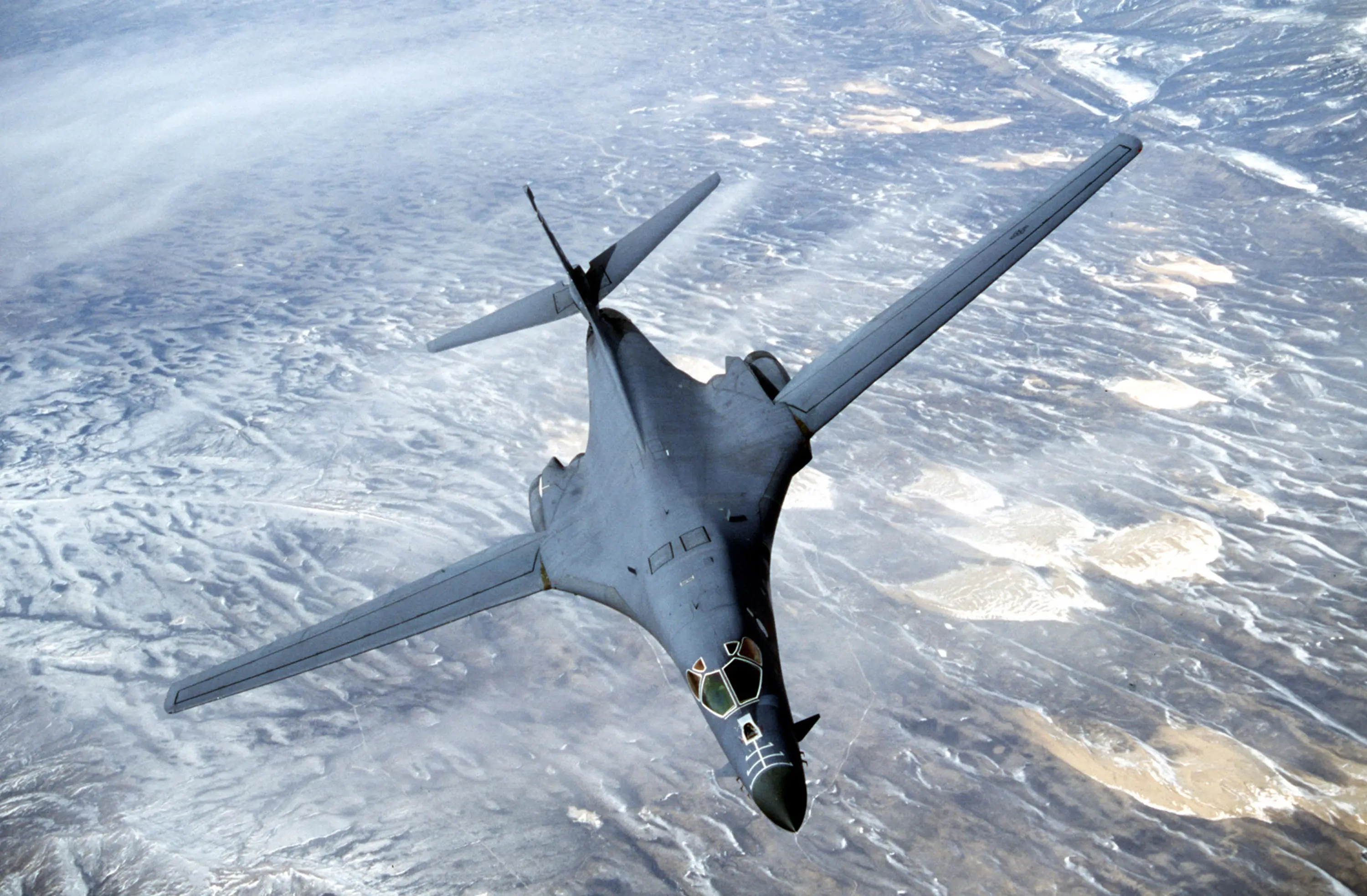
The B-1B Lancer, popularly known as 'The Bone,' stands as a testament to American aerospace engineering and military prowess. Since its induction in 1986, this supersonic bomber has evolved from a Cold War-era nuclear deterrent to a versatile platform for conventional warfare. Its adaptability and formidable capabilities have ensured its place as a cornerstone of the United States Air Force's long-range strike capabilities. Here are 6 facts that you didn't know about the bomber that refuses to retire:
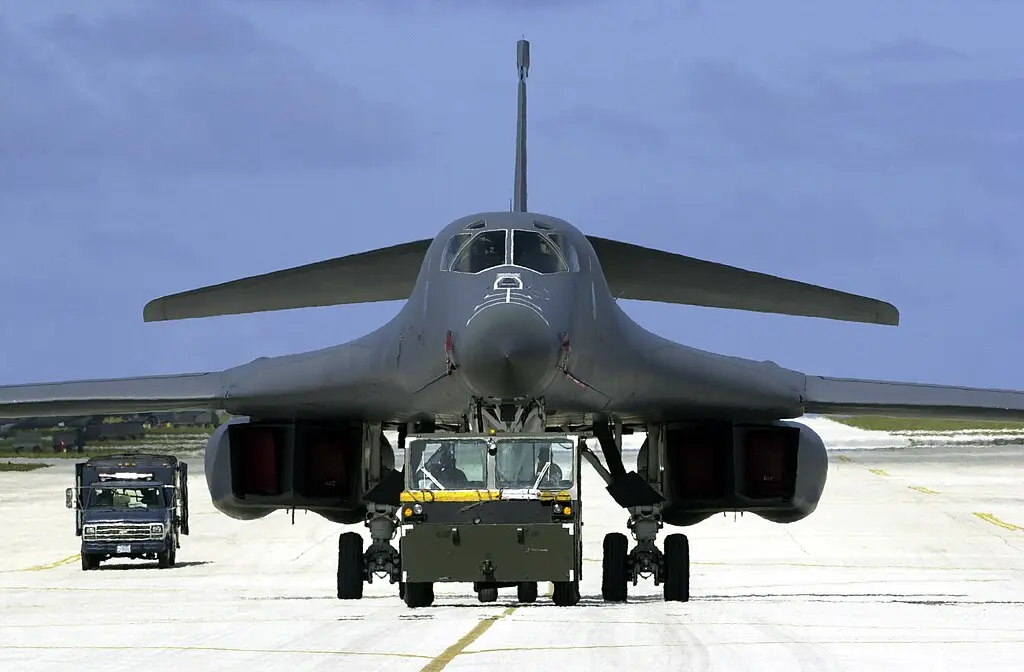
1, A Legacy of Combat Excellence
The B-1B made its combat debut during Operation Desert Fox in 1998, targeting Iraqi military sites. Since then, it has been a consistent presence in various military operations, including those in Kosovo, Afghanistan, and Iraq. Notably, during Operation Enduring Freedom, B-1Bs delivered nearly 40 per cent of the total ordnance dropped by coalition forces, showcasing its reliability and effectiveness in combat scenarios.
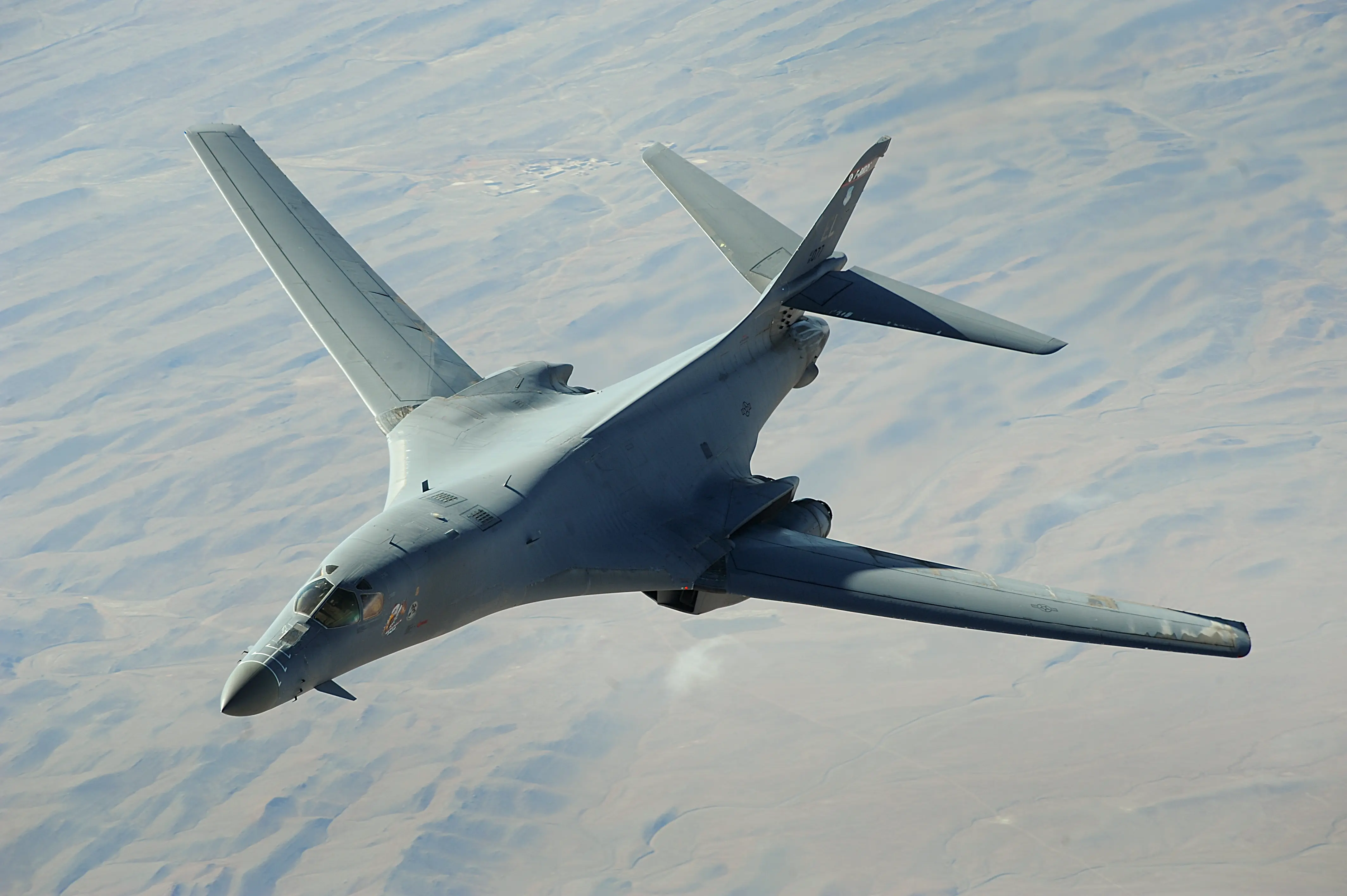
2, Payload Powerhouse
One of the B-1B's most impressive features is its payload capacity. The aircraft can carry up to 75,000 pounds of ordnance, including a mix of guided and unguided bombs. This capability allows it to deliver substantial firepower over long distances, making it a formidable asset in both strategic and tactical operations.

3, Supersonic Speeds and Advanced Aerodynamics
Designed with a variable-sweep wing, the B-1B can achieve speeds exceeding Mach 1.2 at sea level. This supersonic capability, combined with its sleek, blended wing-body design, enhances its survivability and effectiveness in high-speed, high-stress combat environments. The aircraft's aerodynamic design also contributes to its impressive range and fuel efficiency.
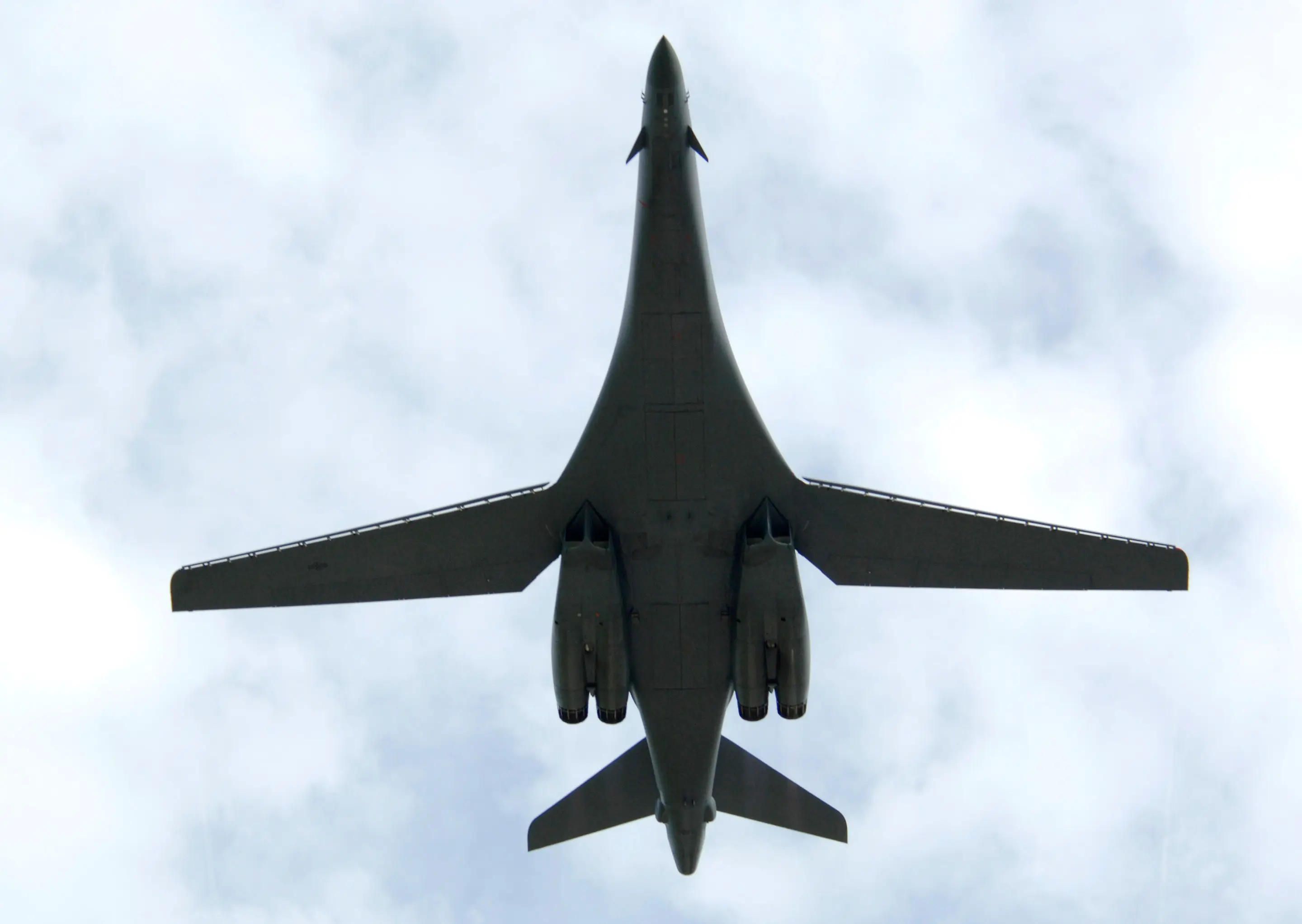
4, Modernisation for Future Missions
To maintain its relevance in modern warfare, the B-1B has undergone several upgrades. Recent enhancements include the integration of external Load Adaptable Modular (LAM) pylons, which increase its ordnance capacity by up to 45,000 pounds. These modifications enable the B-1B to carry advanced standoff weapons, such as the Joint Air-to-Surface Standoff Missile (JASSM) and the Hypersonic Air-breathing Weapon Concept (HAWC), ensuring its continued effectiveness in future combat scenarios.
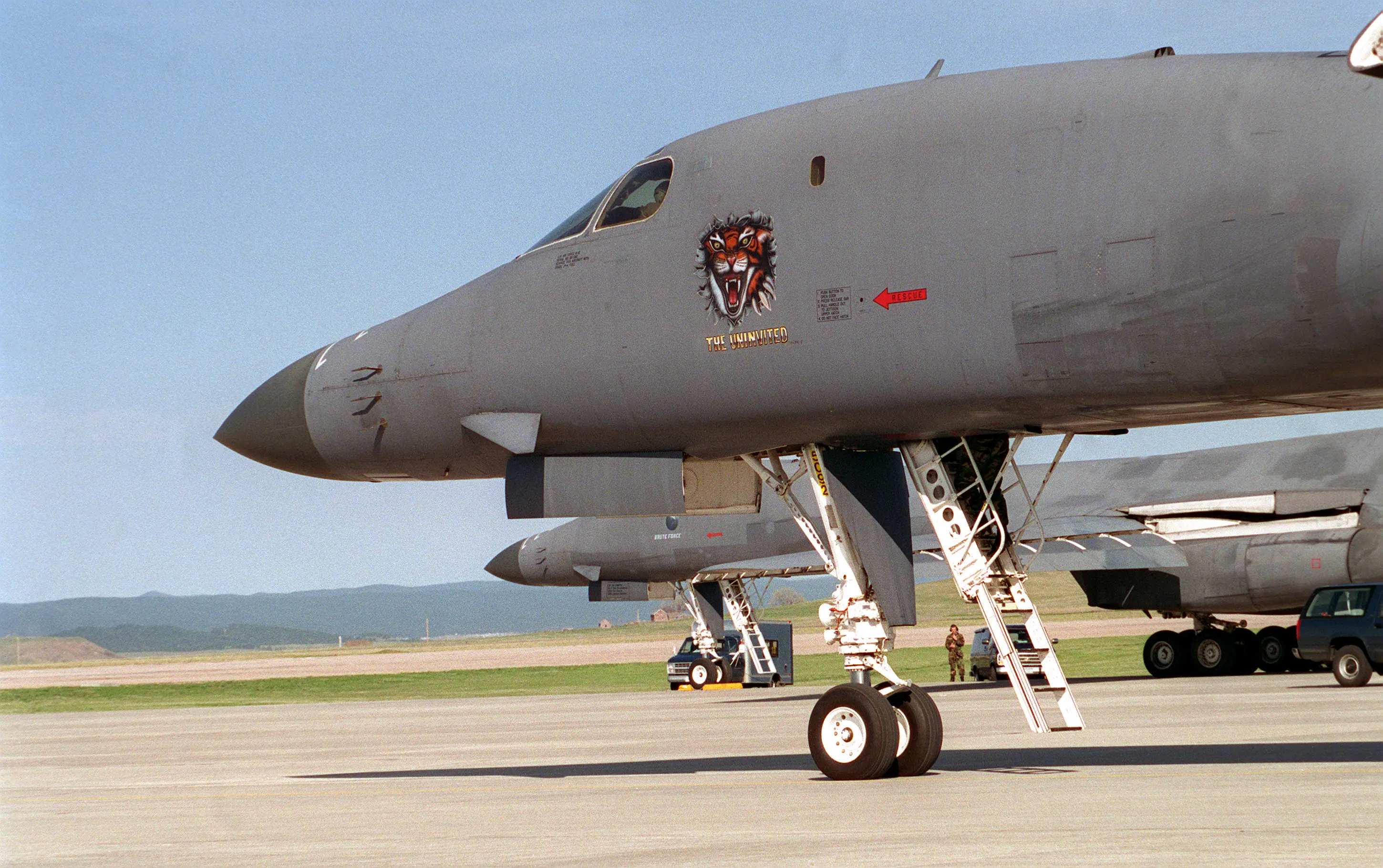
5, Strategic Deployments and Global Reach
The B-1B's strategic importance is underscored by its global deployment capabilities. In recent years, the aircraft has been stationed at various bases worldwide, including Guam and Japan, to enhance the United States' military presence in key regions. These deployments serve as a deterrent to potential adversaries and demonstrate the U.S. commitment to maintaining global stability.
6, Transitioning to the B-21 Raider
While the B-1B continues to serve effectively, the US Air Force is preparing for its eventual replacement by the B-21 Raider. The B-21 is designed to incorporate stealth technology and advanced avionics, offering enhanced capabilities in penetrating contested airspaces. Despite the transition, the B-1B's legacy of adaptability and combat effectiveness will remain an important chapter in the history of American military aviation.
)
)
)
)
)