‘Unusual train routes constructions’: 10 train routes known for their unusual engineering feats

From China’s snowbound Qinghai-Tibet line to India’s Pir Panjal tunnel and Switzerland’s Bernina Express, these ten rail routes stand out for their bold engineering in wild terrain.
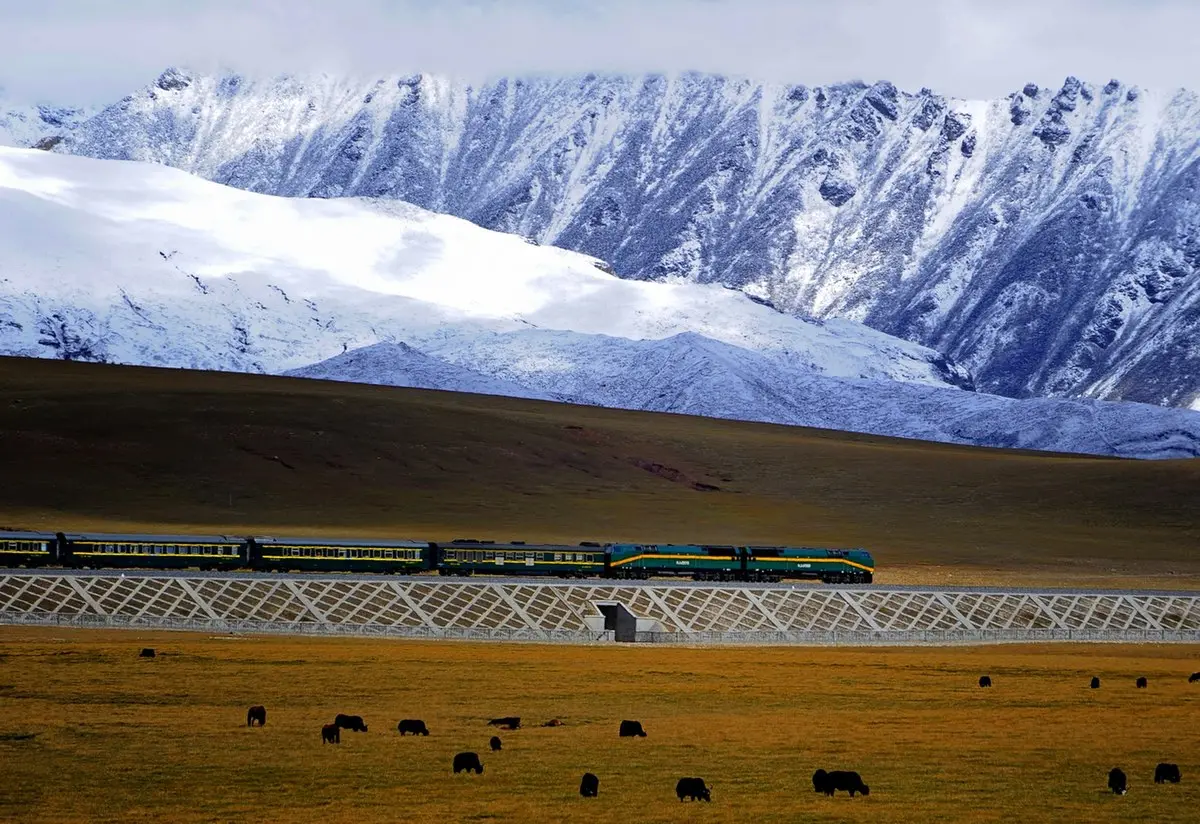
Qinghai - Tibet Railway, China
Spanning 1,142 km from Xining to Lhasa, the Qinghai- Tibet Railway is the world’s highest and one of its toughest. Engineers built 675 bridges and 10 tunnels across permafrost at altitudes above 4,000 metres, with trains carrying oxygen for passengers.
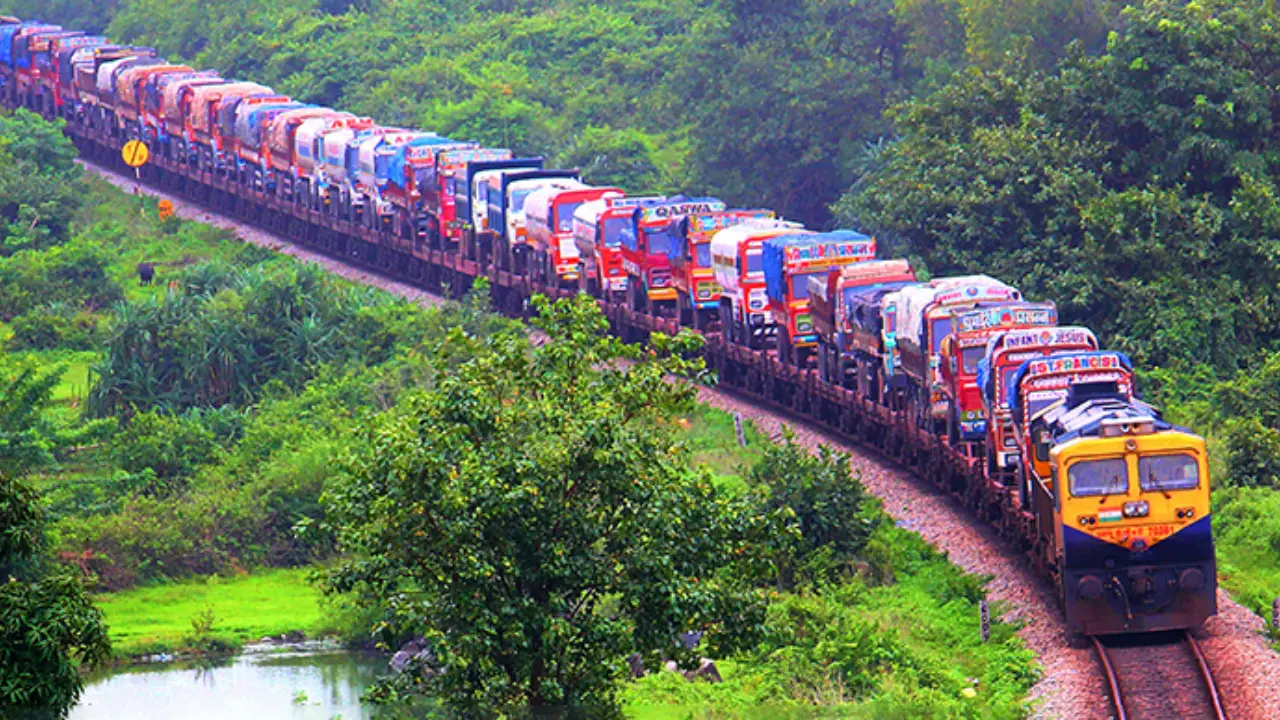
Konkan Railway, India
The Konkan Railway runs for 741 km along India’s western coast. Construction involved 91 tunnels totalling 84.5 km and more than 1,500 rivers, as engineers fought collapsing embankments and rocky Sahyadri mountains.
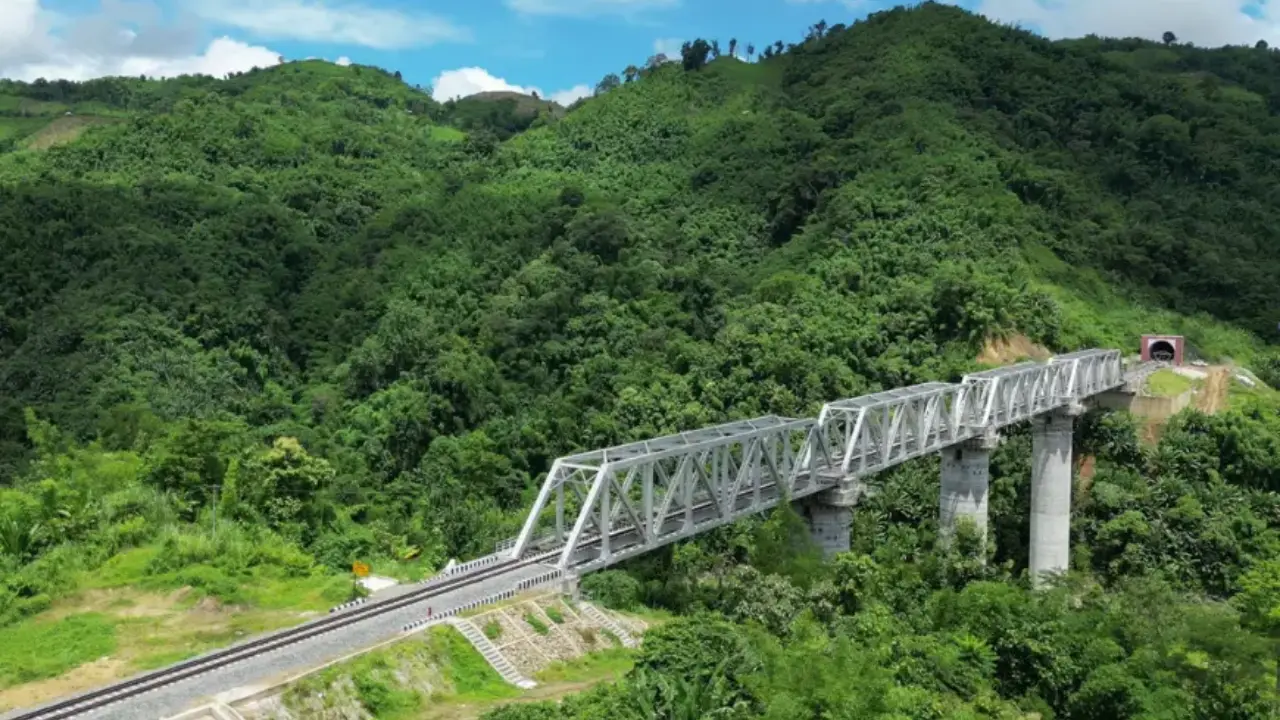
Bairabi-Sairang Railway, India (Mizoram)
This 51 km project in Mizoram features 45 tunnels and 153 bridges. Engineers battled extreme terrain, heavy rainfall, unstable rock formations and logistical challenges, making it India’s hardest rail build.
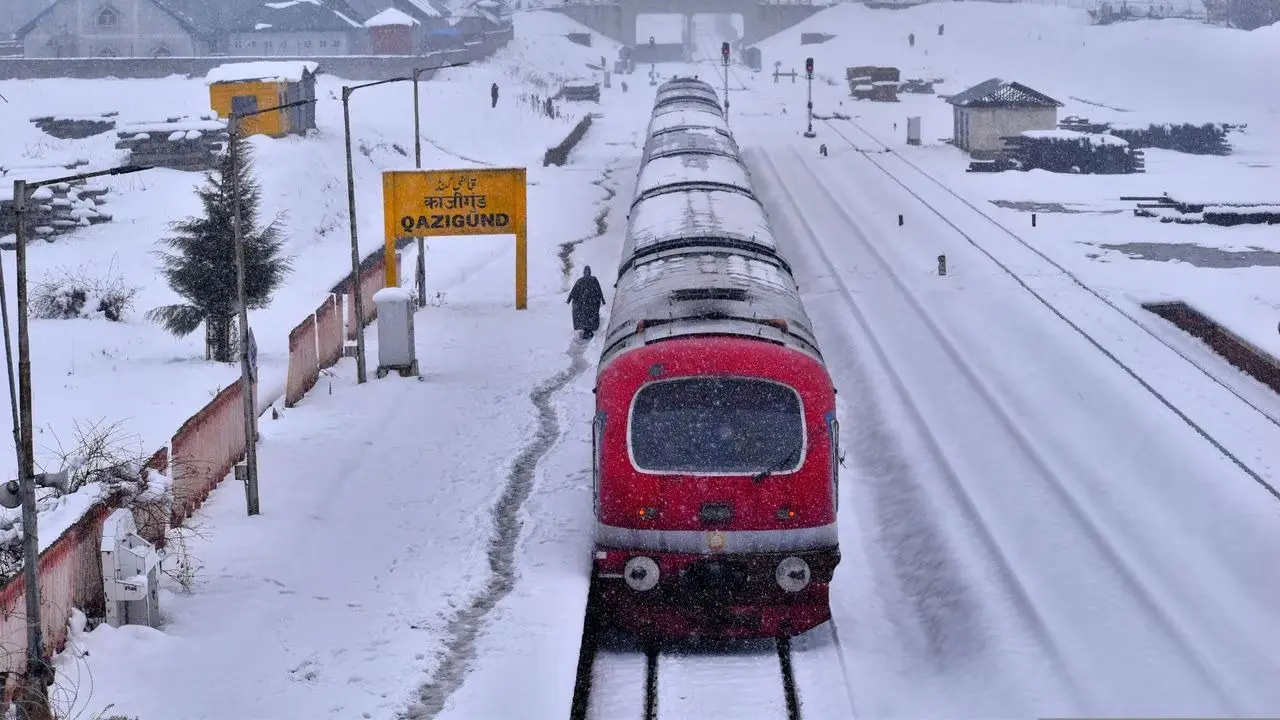
Pir Panjal Railway Tunnel, India
India’s longest rail tunnel at 12.8 km, built at altitudes of 1,700 metres. Completed by Siemens in 16 months, it required digital simulation, new overhead systems and construction in rugged, snowy terrain.
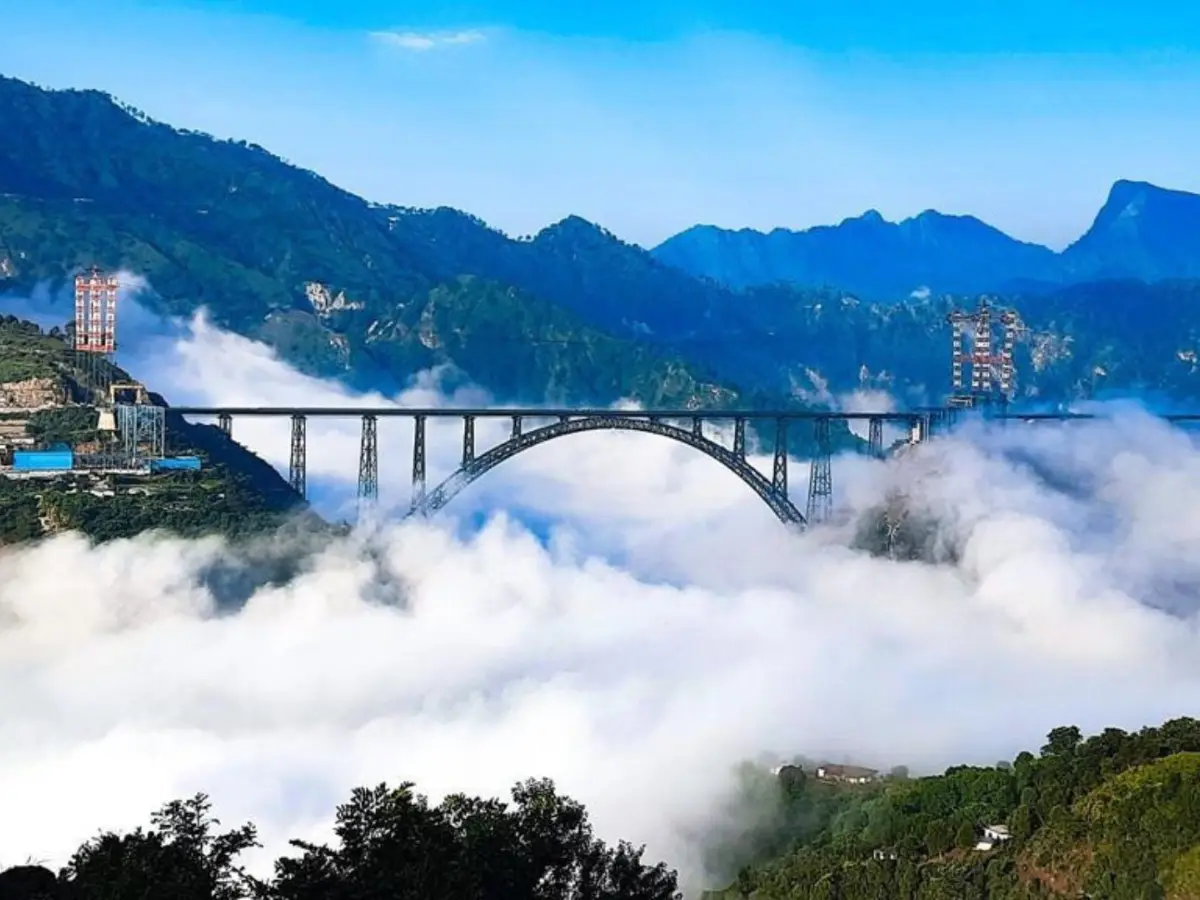
Chenab Bridge, India (Jammu & Kashmir)
The world’s highest rail bridge, crossing the Chenab river in Jammu & Kashmir, rises 359 metres above the river. It was constructed using the world’s tallest cable cranes, cantilever techniques, and complex grouting for foundation stability.
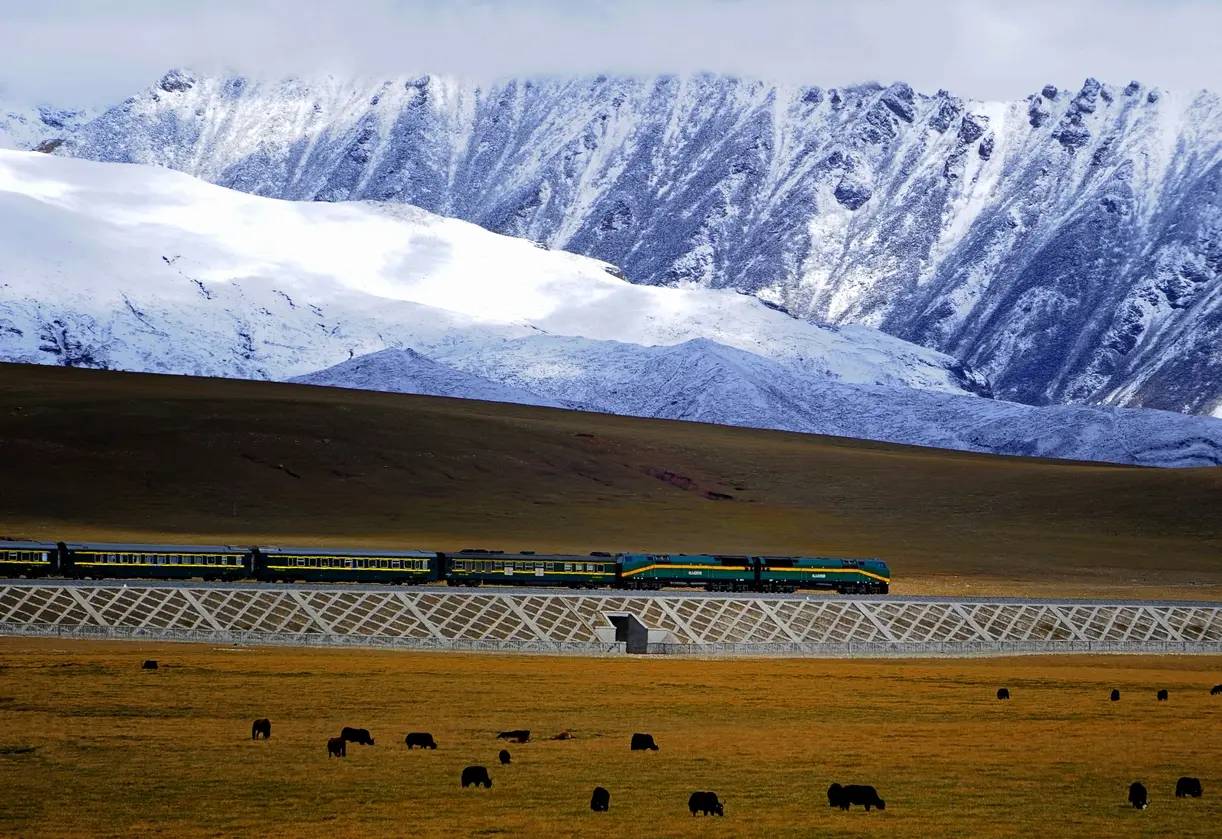
Lhasa-Xigaze Railway, China
Part of the future China-Nepal railway, the Lhasa-Xigaze line, opened in 2014, faced peaks, ravines, and permafrost, with over 98 per cent of the route needing tunnels or bridges. Extension will challenge engineers further.
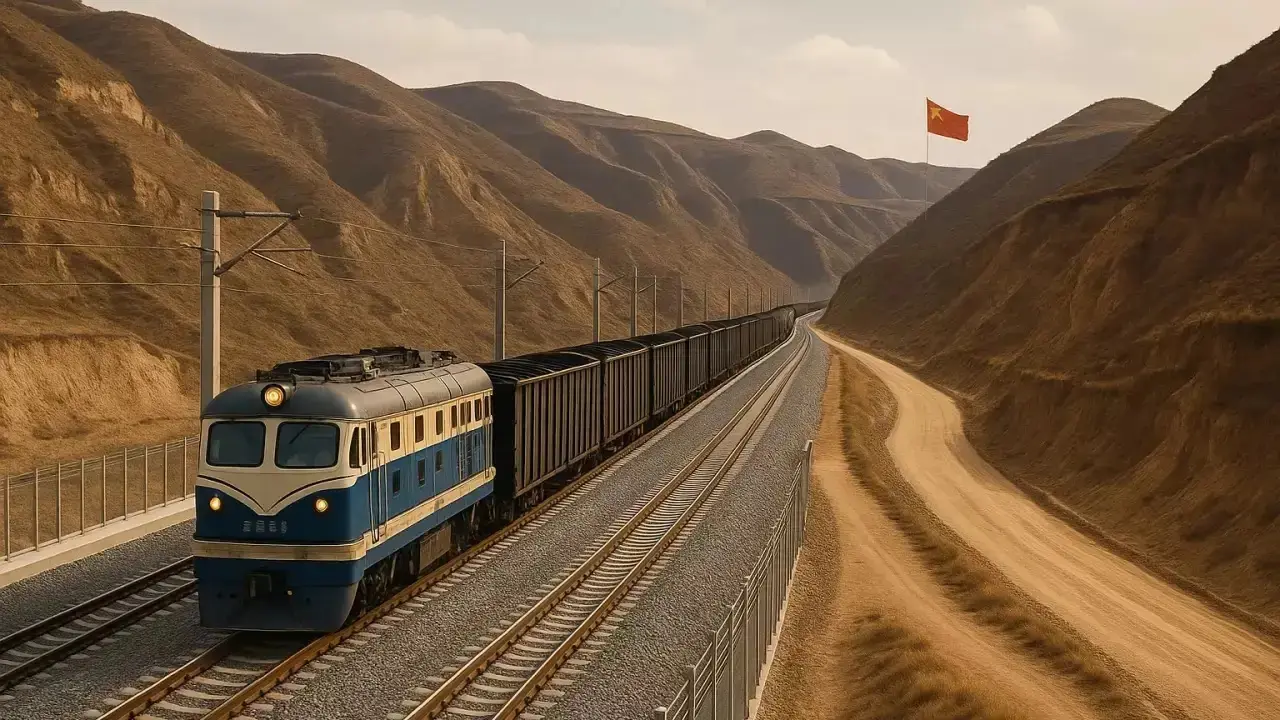
Xinjiang-Tibet Railway Project, China
Slated to be the world’s most difficult and expensive, this upcoming line will cross earthquake-prone, high-altitude Himalayan terrain where 98 per cent of the track must be tunnelled or bridged between 1,400 to 4,000 metres altitude.
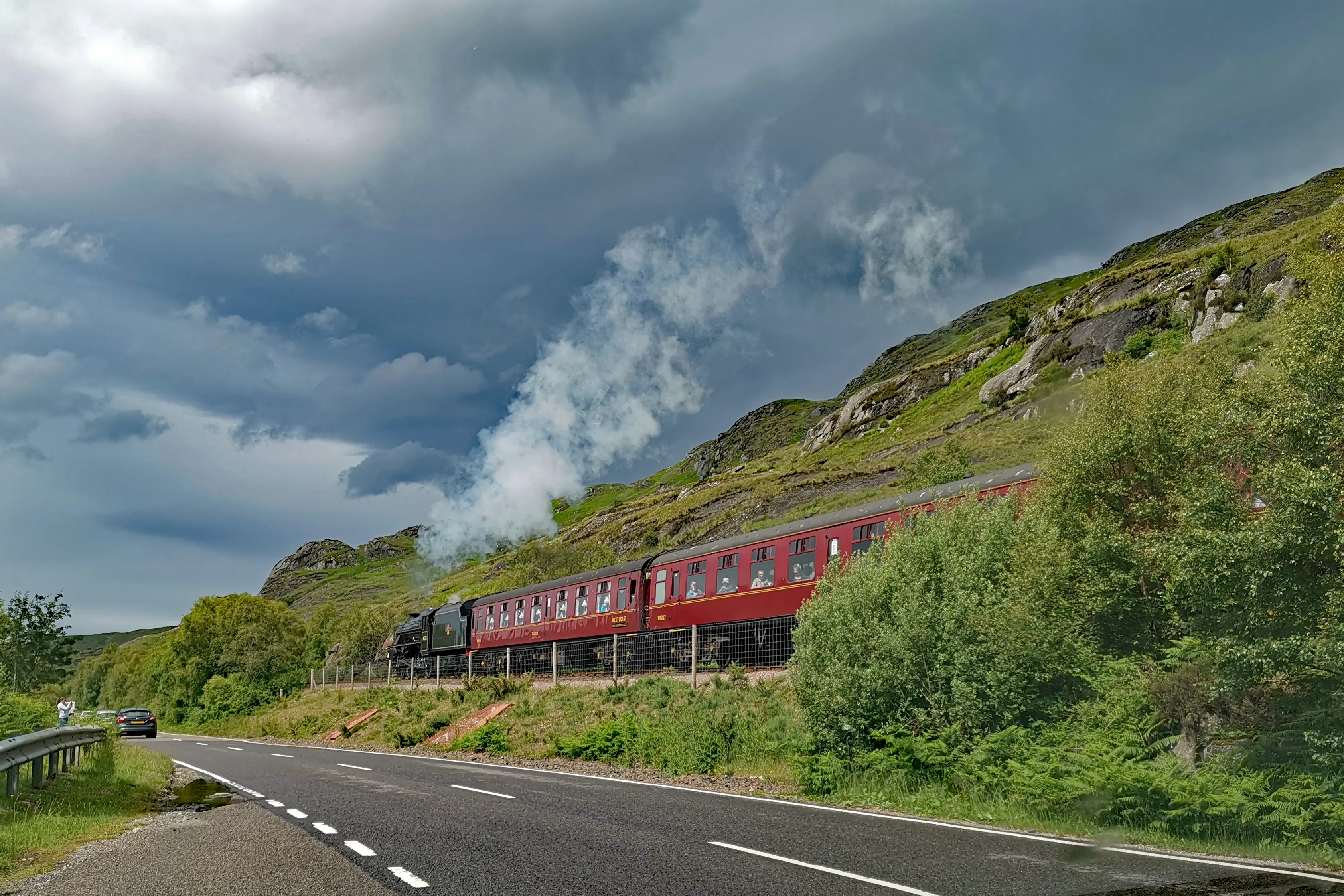
West Highland Line, Scotland
Running through the Scottish Highlands, this route required viaducts like the Glenfinnan Viaduct, steep gradients, and tough weather. It showcases how railways can connect remote, mountainous countries.
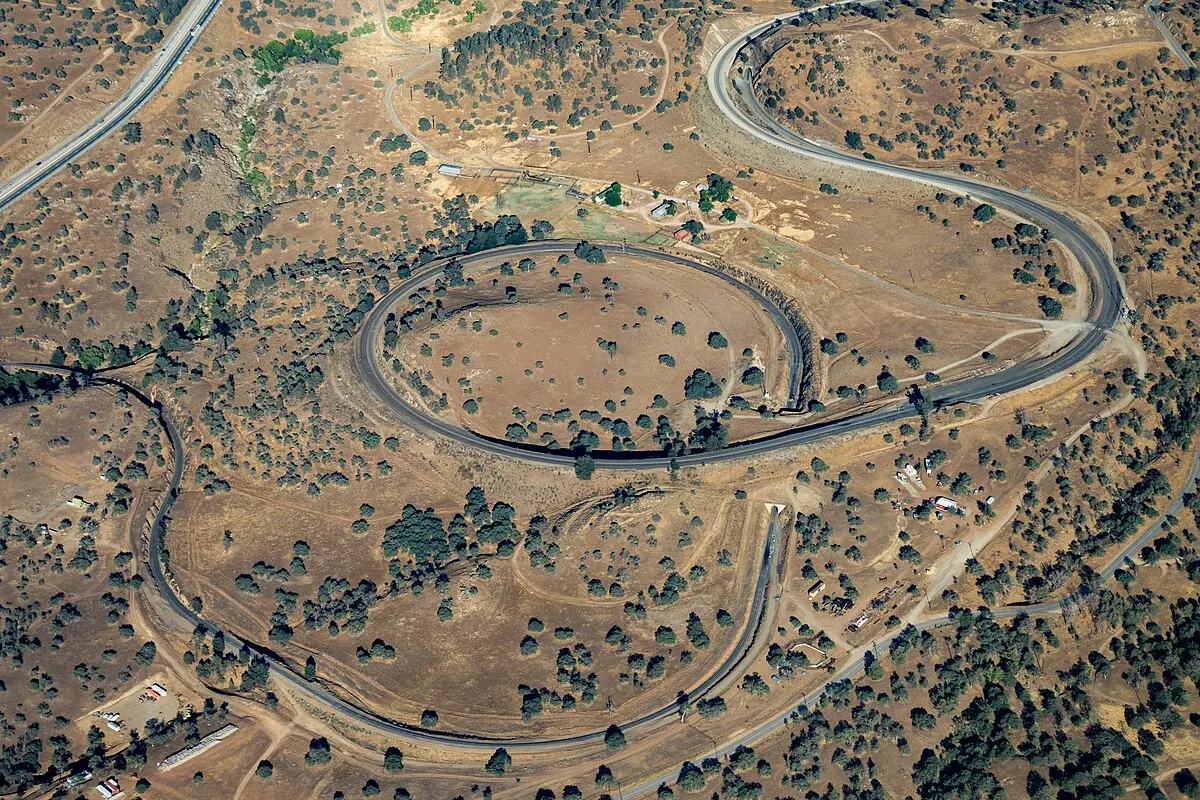
Tehachapi Loop, USA
California’s Tehachapi Loop is a classic railway spiral completed in 1876 to tackle the Sierra Nevada’s elevation. Trains over 1,200 m long pass over themselves on the loop, still used by hundreds of freight trains.
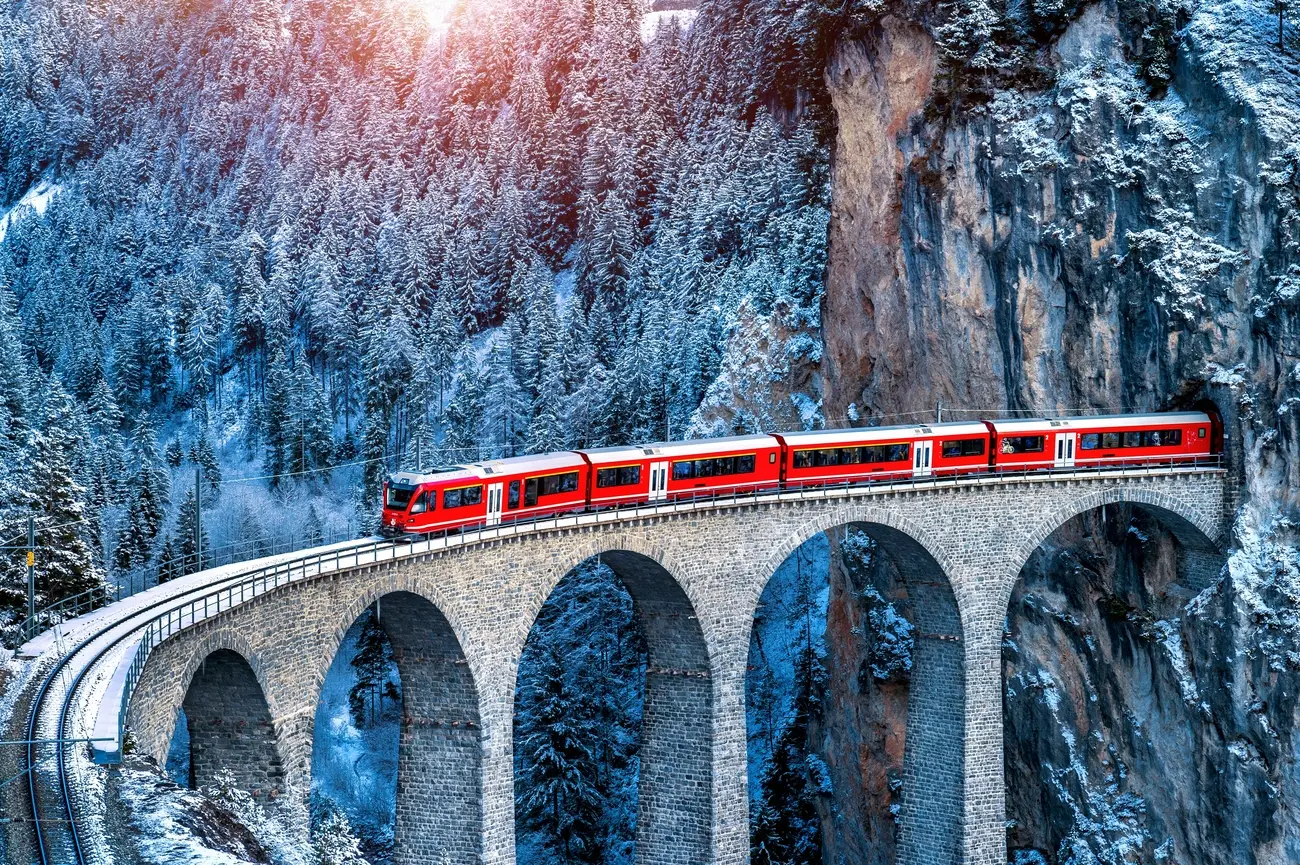
Bernina Express, Switzerland-Italy
Crosses the Alps with gradients up to 7 per cent, passing 55 tunnels and 196 bridges over wild mountains. The Bernina route shows the intricate solutions needed to ascend sharp slopes in a cold climate.
)
)
)
)
)