'Rogue Waves': How the USS Abraham Lincoln survives massive ocean storms

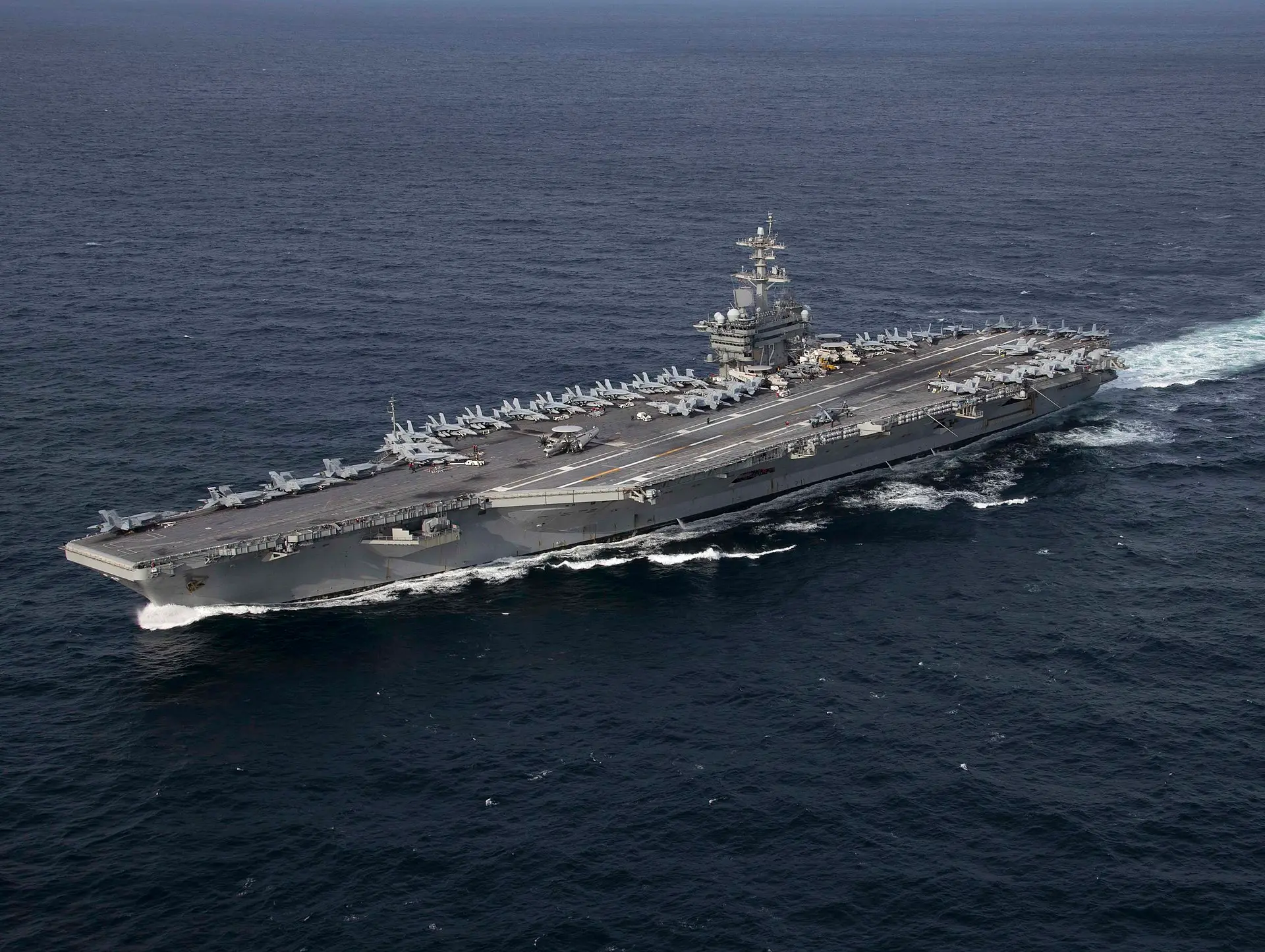
The 100,000-tonne USS Abraham Lincoln survives massive ocean storms and rogue waves through a combination of immense structural engineering, uninterrupted nuclear propulsion, and strict damage-control protocols executed by its crew.
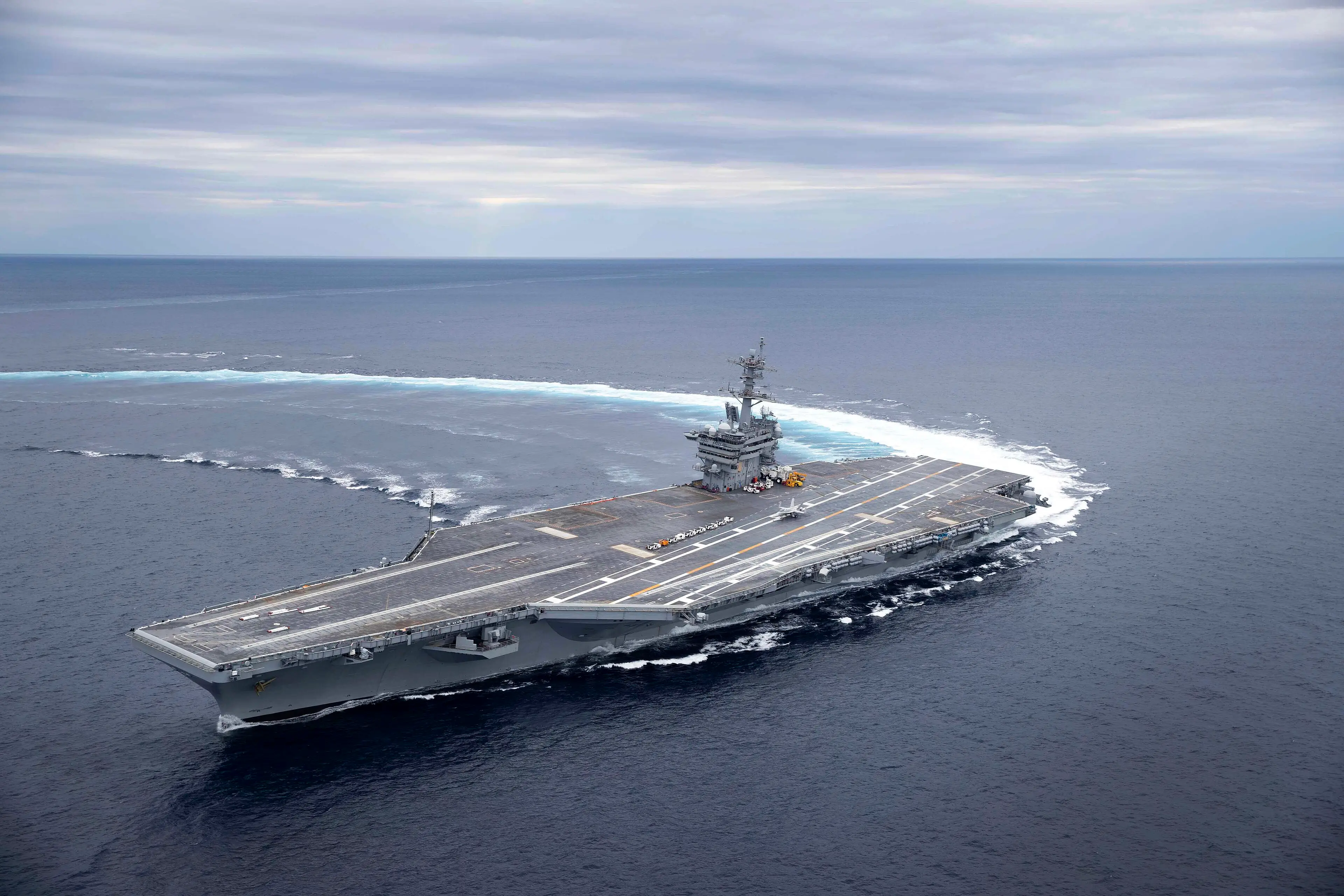
100,000 Tonne Steel Hull
The USS Abraham Lincoln relies on its massive 100,000-tonne displacement for unmatched stability in rough seas. This immense weight acts as a natural countermeasure against violent ocean swells. The sheer size prevents sudden capsizing when towering rogue waves strike the vessel.
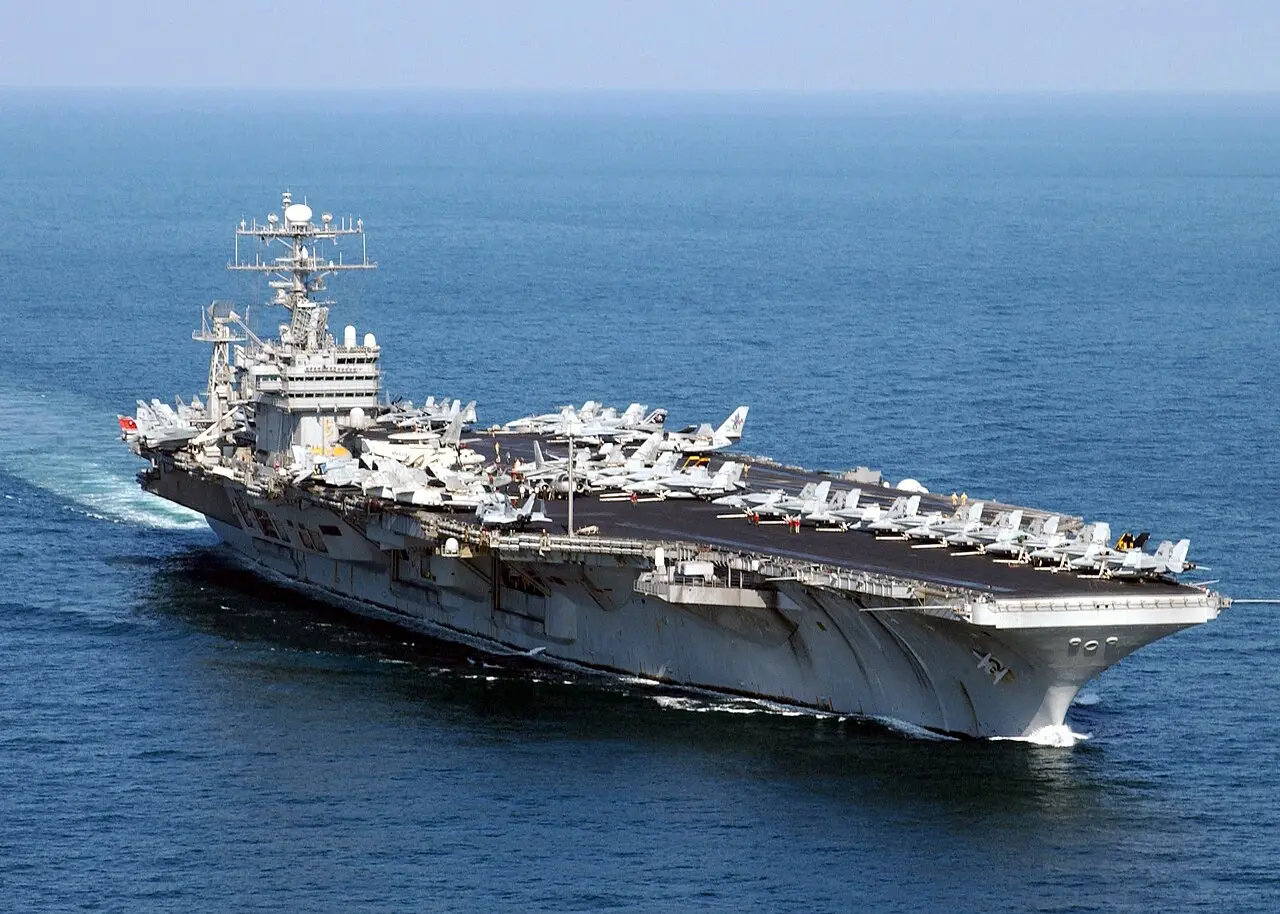
60 Foot High Deck
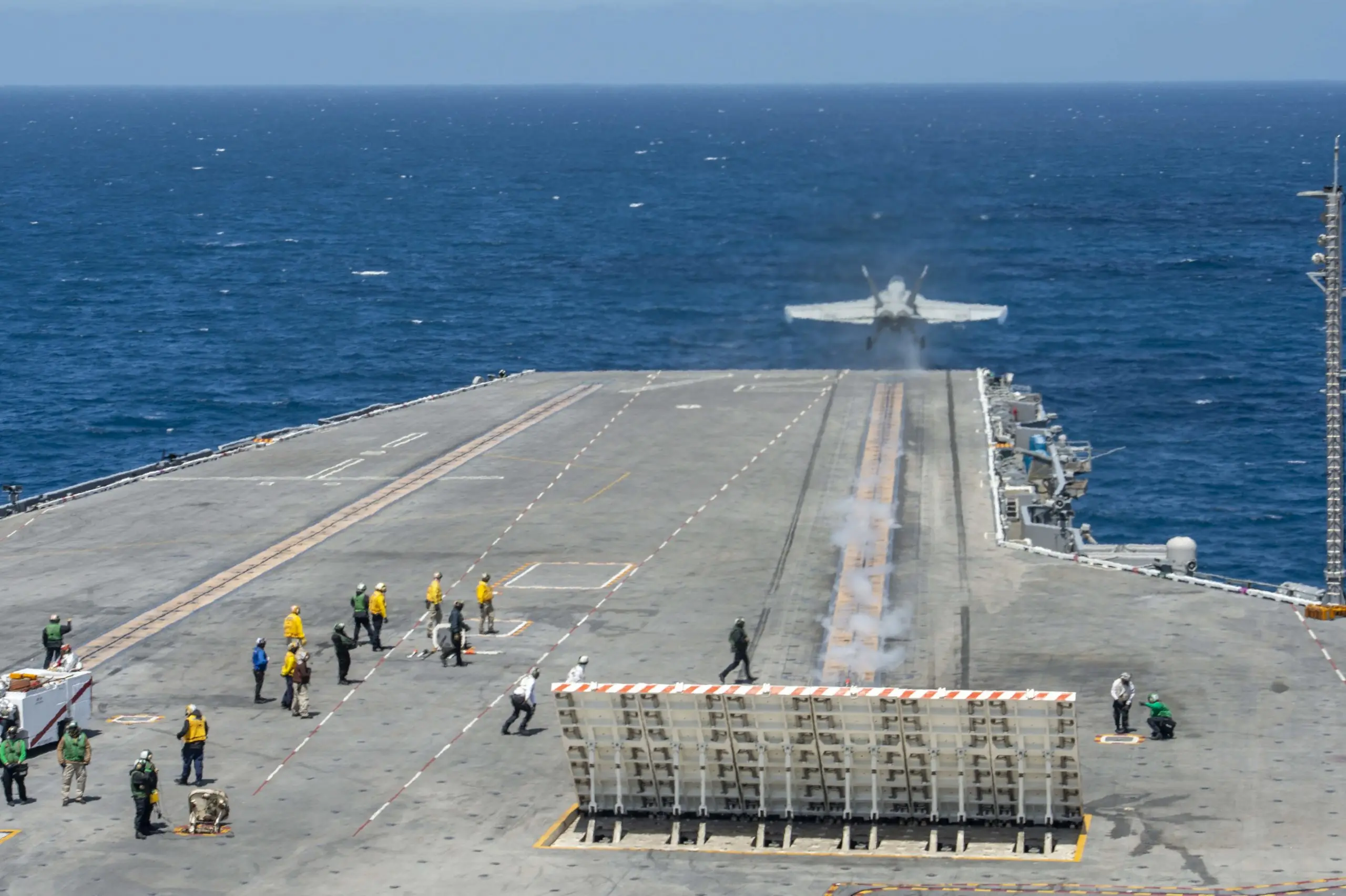
The main flight deck sits approximately 60 feet above the ocean waterline. This extreme elevation protects parked fighter jets from most surging waves. During severe weather, crew members move all aircraft to the centre of the deck to minimise movement.
20 Point Tie Downs
Sailors secure fighter jets using heavy-duty chains and strong wheel chocks. In severe storms, an aircraft might receive up to 20 separate tie-down points. This strict protocol stops multi-million dollar jets from sliding off the wet flight deck.
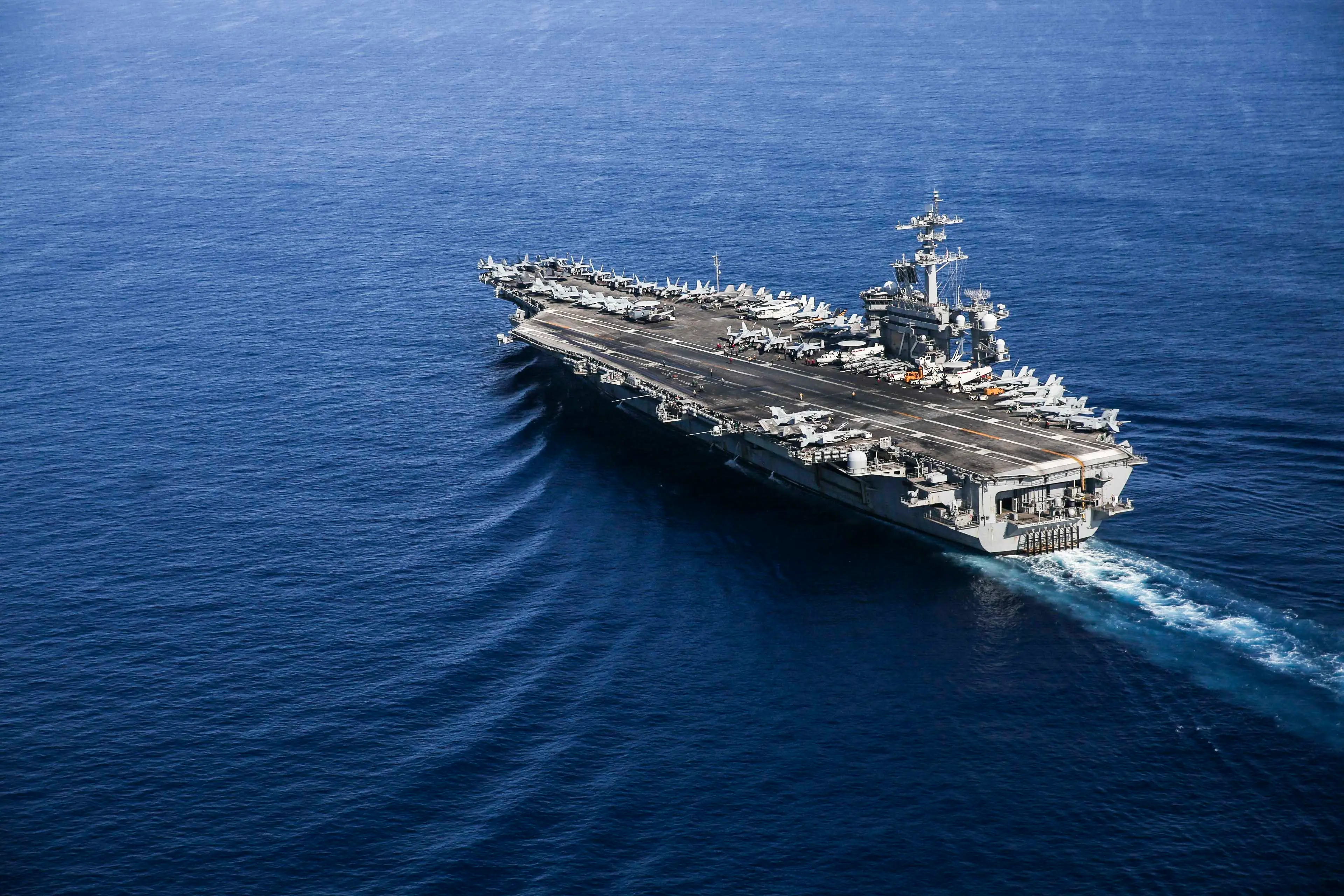
Speeds Under 30 Knots
When facing a towering wave, the helmsman reduces the ship's speed. Cruising below the top speed of 30 knots significantly lowers the structural stress on the hull. The navigation team approaches large swells at a slight angle to maintain balance.
25 Foot Bronze Propellers
Four massive bronze propellers, each measuring 25 feet across, drive the ship. These 66,000-pound propellers provide the necessary thrust to push through violent currents. Continuous power ensures the carrier never loses its heading against crashing waves.
Two A4W Nuclear Reactors
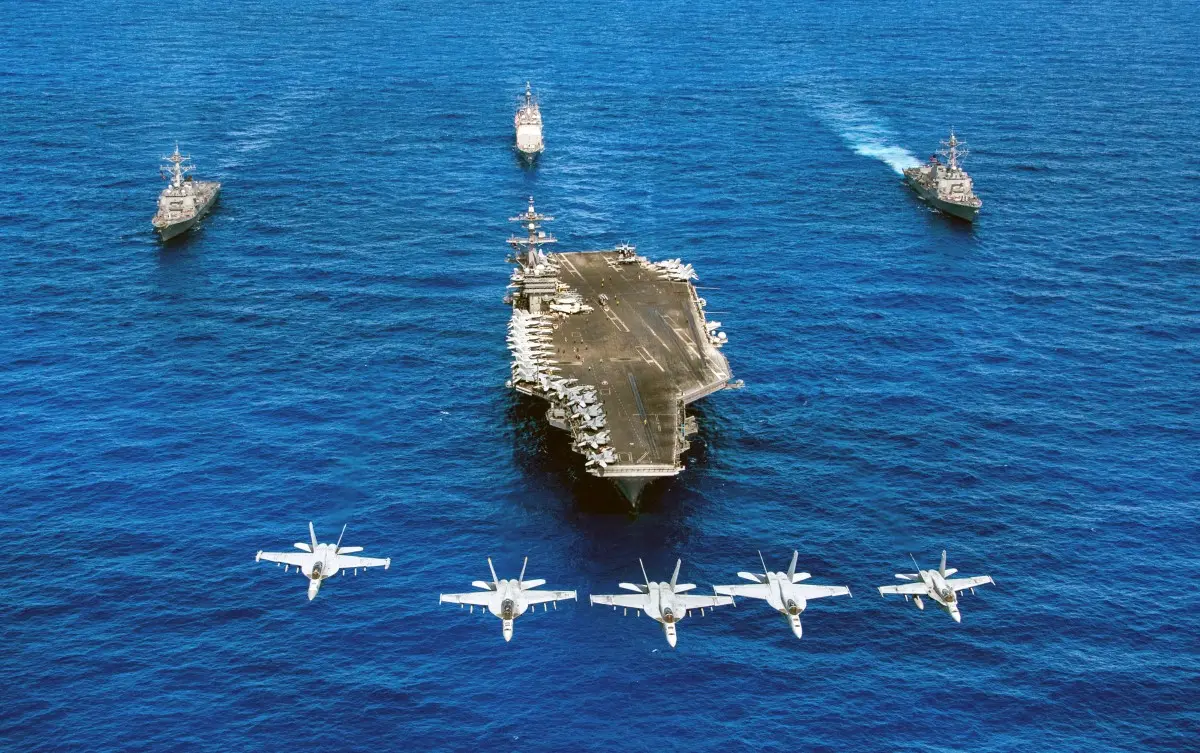
Unlike traditional ships, the carrier uses two pressurised nuclear reactors for propulsion. This system delivers a constant 260,000 shaft horsepower during prolonged storms. Uninterrupted power allows the vessel to outmanoeuvre dangerous weather systems effectively.
Over 5,000 Crew Members
A crew of over 5,000 personnel follows strict damage control procedures during heavy weather. Aerographers monitor meteorological data to avoid the worst storm cells. When avoidance fails, all hands secure the watertight compartments to protect the warship.
)
)
)
)
)