'Million-Dollar Paint': Why keeping the USS Abraham Lincoln gray is incredibly expensive

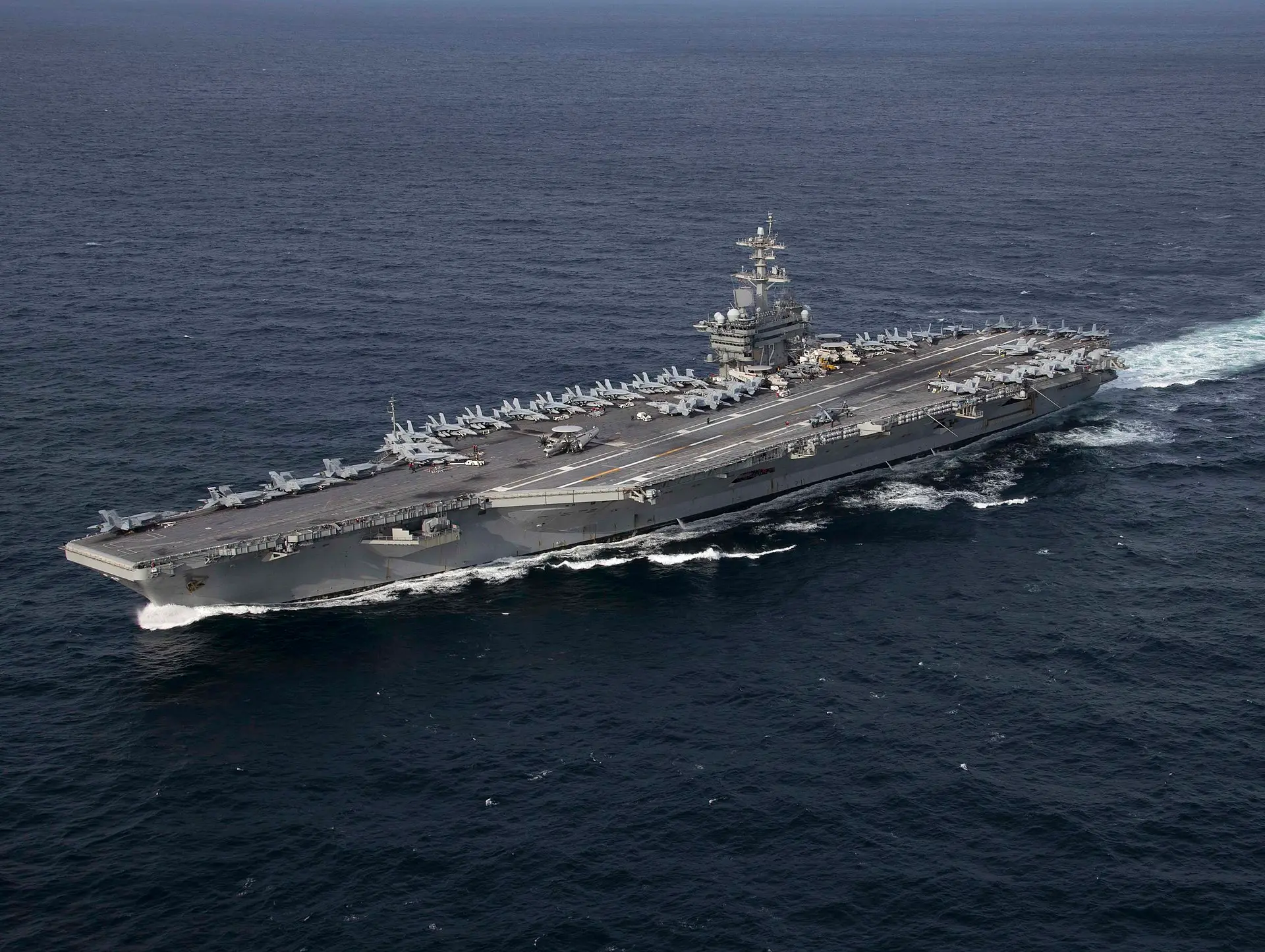
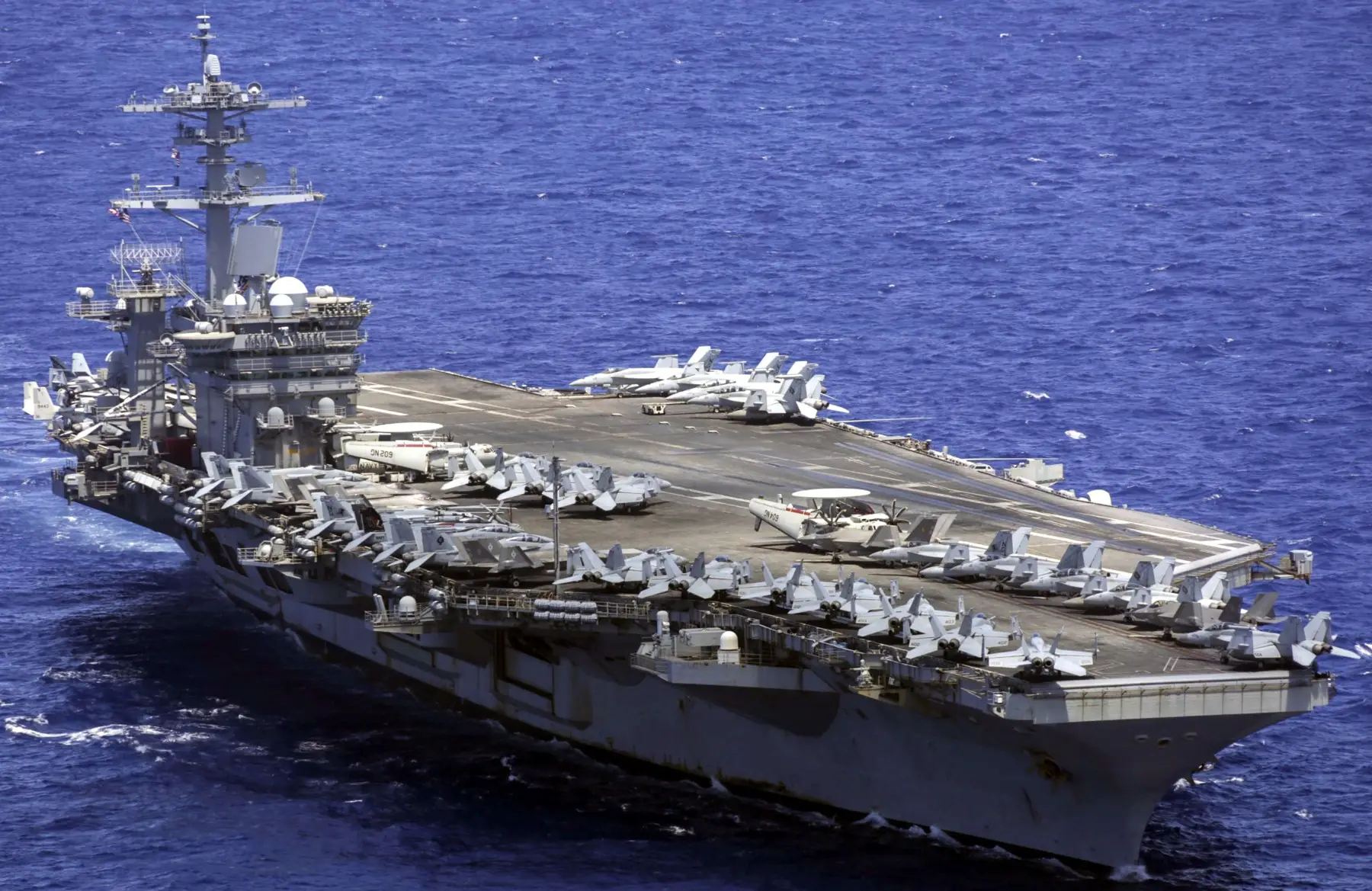
The USS Abraham Lincoln requires nearly 200,000 gallons of Haze Gray paint. Protecting the supercarrier from saltwater corrosion demands intense labour, making routine maintenance highly expensive.
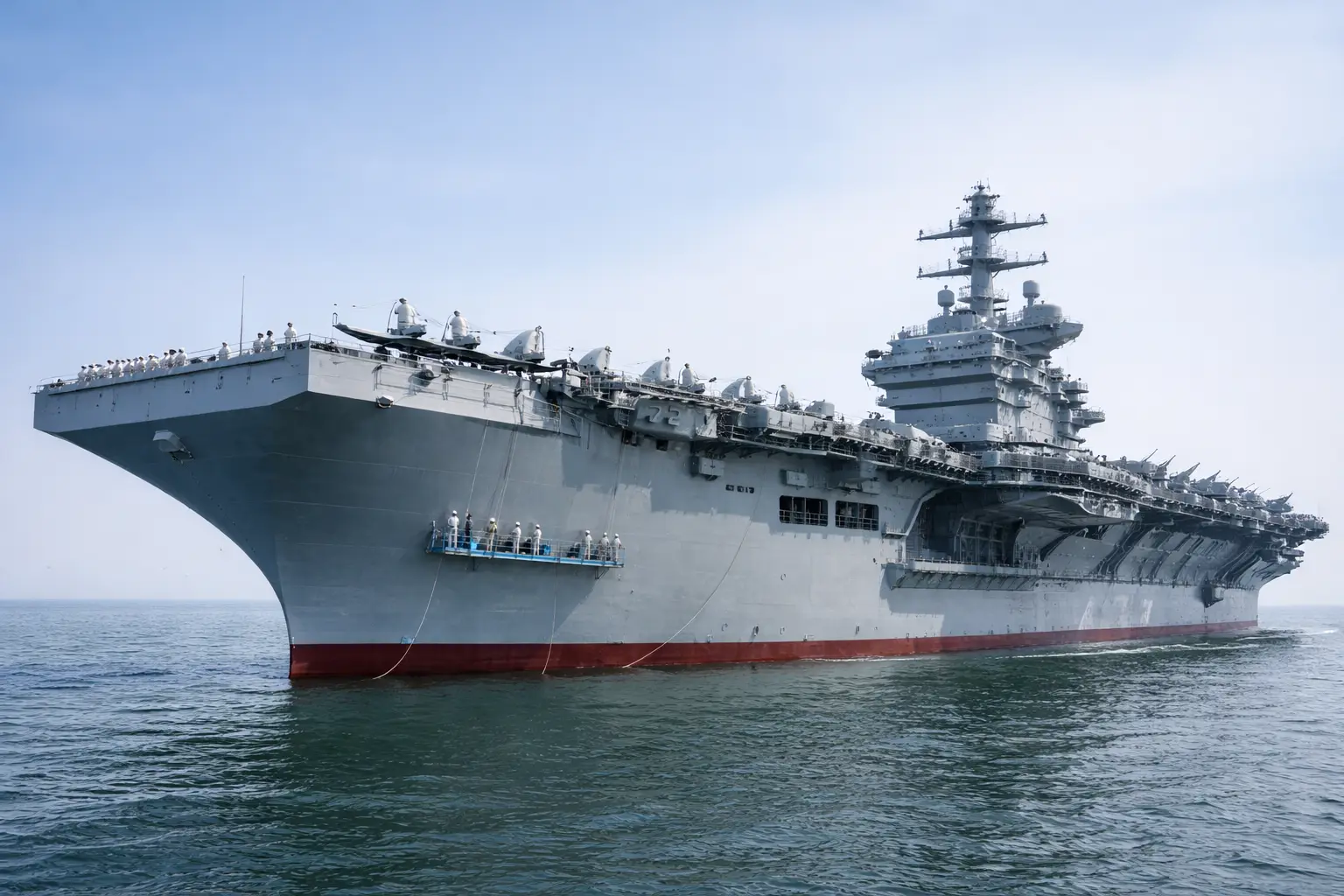
Over 1,000 Feet of Metal
The USS Abraham Lincoln is a Nimitz-class supercarrier measuring 1,092 feet in length. Coating its enormous hull and superstructure requires complex planning. The ship undergoes routine dry dock maintenance to protect its vast exterior from harsh ocean elements.
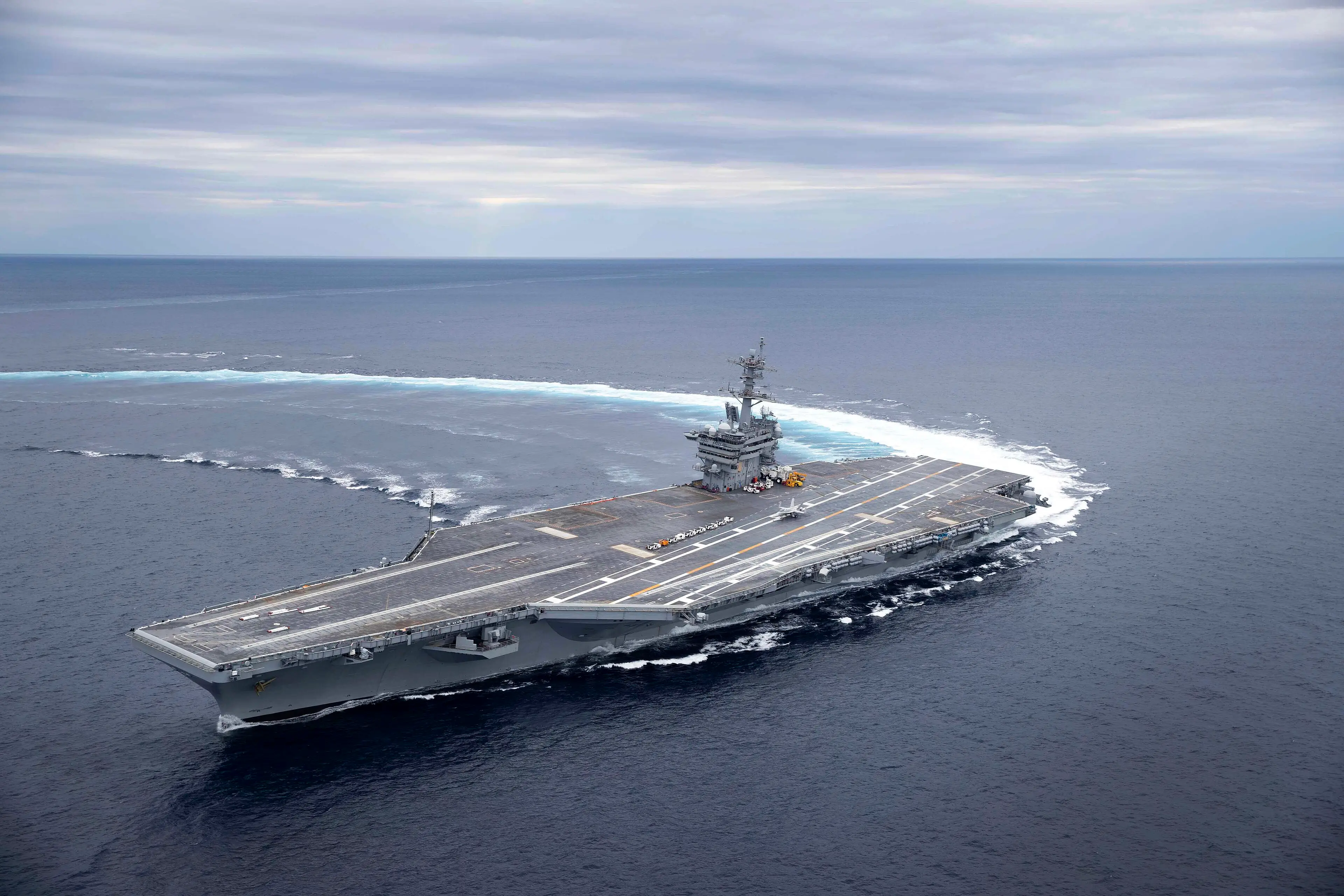
200,000 Gallons Required
A full paint application for a modern US Navy supercarrier demands up to 200,000 gallons of specialised marine paint. The staggering volume of heavy-duty epoxy and topcoats is a primary cost driver. Procuring this amount of material requires millions of dollars in defence spending.
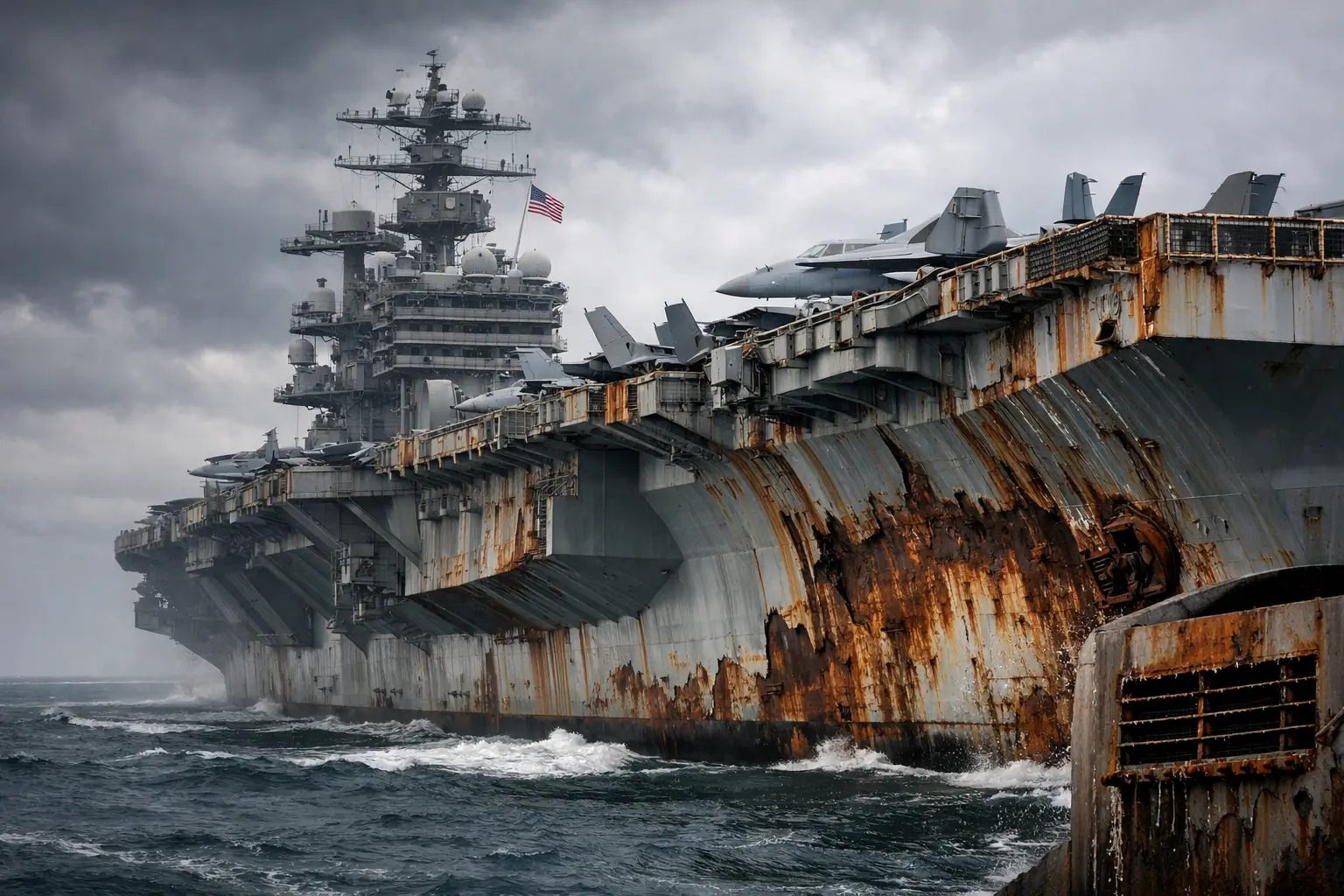
120 to 170 Painters
Repainting such a colossal vessel is a highly labour-intensive process. The US Navy employs between 120 and 170 skilled painters during major overhaul periods. These workers spend thousands of man-hours meticulously stripping old layers and applying fresh coats.
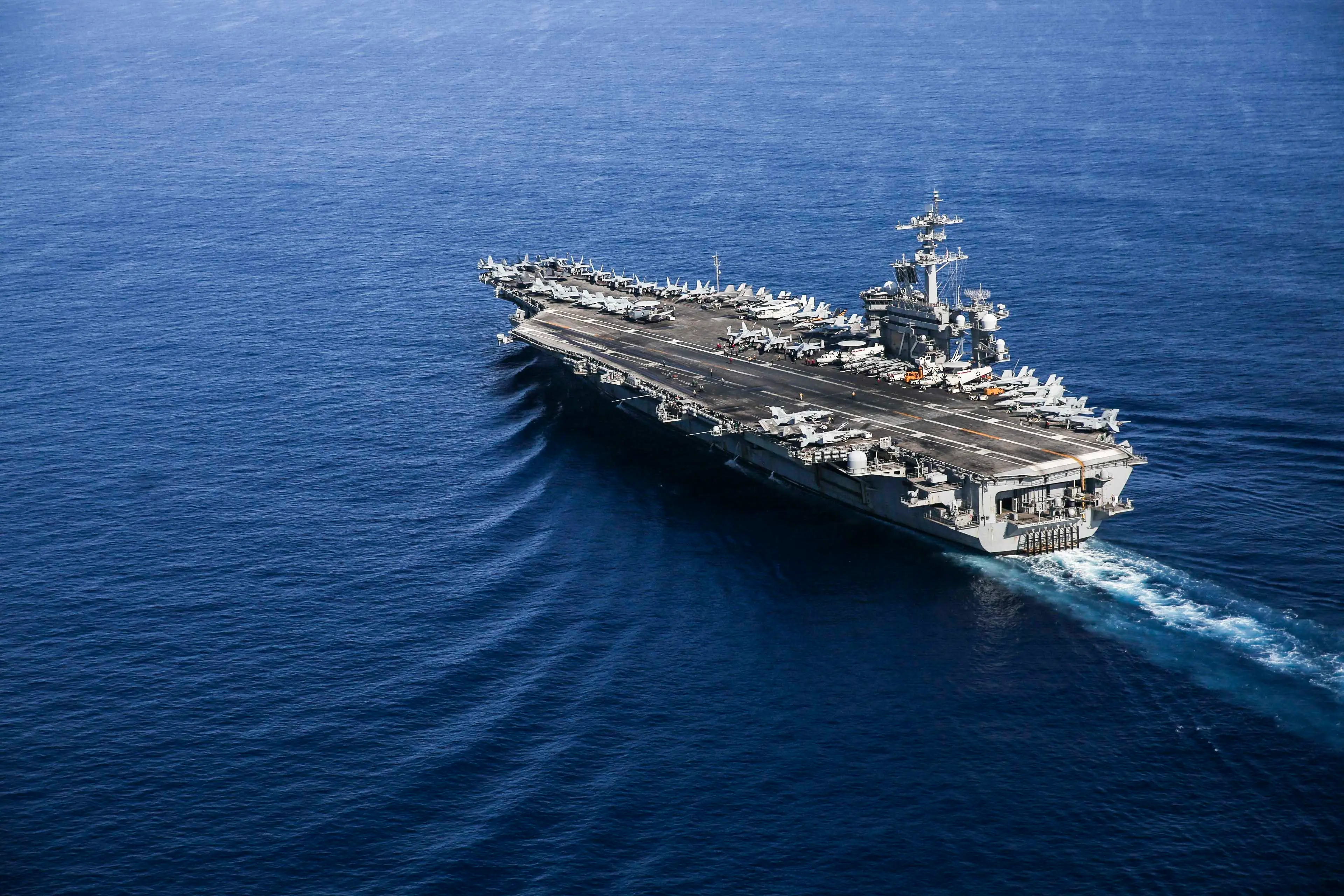
Haze Gray FS 36270
The standard colour applied to vertical surfaces is Haze Gray, matched to FS 36270. This specific shade reduces visual detection by minimising the contrast between the hull and the horizon in various lighting conditions. It is a tactical necessity rather than a simple aesthetic choice.
Heavy Weight Penalties
Marine paint is measured by solid weight per gallon, and accumulated layers add several tonnes to the ship. Old paint must be carefully stripped away before new applications begin. If left unmanaged, the excess weight could permanently impact the carrier's speed and fuel efficiency.
$11.4 Billion Investment
The estimated construction cost of a Nimitz-class aircraft carrier is roughly $11.4 billion in modern currency. Protecting this massive financial asset from saltwater corrosion is an absolute priority. Heavy-duty marine paint serves as the primary barrier against structural degradation.
100 Per Cent Containment
Environmental regulations strictly dictate how modern shipyards handle paint removal. Every particle of toxic dust must be safely contained within the dry dock. Deploying massive containment structures and using specialised stripping agents heavily inflates the final maintenance bill.
)
)
)
)
)