'Cocaine is culture': How communism & socialism turned Latin America into narco states

The ultimate tragedy of the "Narco-Socialist" model is the economic wasteland it leaves behind. When a state relies on drug money to balance its budget (as Venezuela did), it ceases to care about legitimate industries like agriculture, manufacturing, or tourism.
1. The "Revolutionary Tax" Trap (Ends Justify the Means)
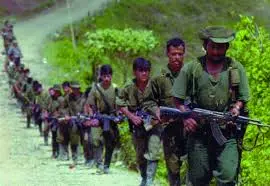
The original sin of Latin American communism was the decision that "the cause" justified any method of funding. Guerrilla groups like the FARC (Colombia) and Shining Path (Peru) initially claimed to protect peasants, but quickly realised that kidnapping and extortion weren't enough to fund a war against the state. They turned to "taxing" the coca trade (gramaje), justifying it as a way to bleed American imperialism. This ideological loophole allowed Marxist rebels to become the world's largest drug kingpins, effectively merging the identity of the "Socialist Revolutionary" with the "Drug Lord."

2. Venezuela: The "Cartel of the Suns" (State-Run Trafficking)
Venezuela represents the final evolution of this corruption: the "Narco-State" where the government is the cartel. Under Hugo Chávez and later Nicolás Maduro, the regime realized it could not survive US sanctions with oil money alone. They created the "Cartel of the Suns" (named for the stars on generals' uniforms), turning the Venezuelan military into a logistics company for cocaine. By framing drug trafficking as a form of "asymmetric warfare" against the United States, they turned the entire state apparatus, from the Air Force to the diplomatic corps—into a protected drug pipeline, destroying the legitimate economy in the process.
3. Bolivia: "Coca Nationalism" as Policy
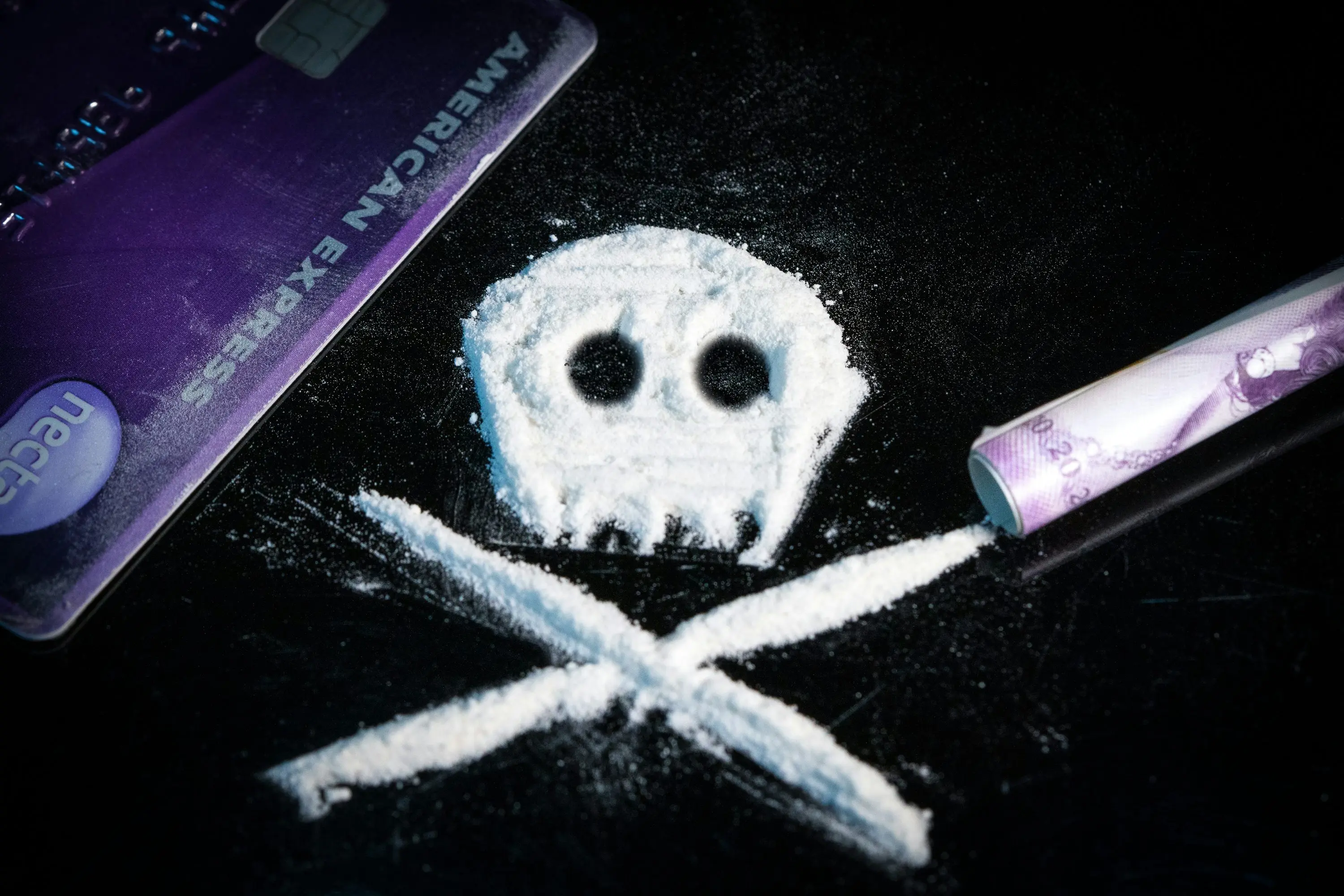
In Bolivia, President Evo Morales (a former coca growers' union leader) expelled the US DEA in 2008 and famously held up a coca leaf at the UN, declaring "Coca is culture." While he argued for the traditional use of the plant, his policies of "voluntary eradication" and the legalisation of expanded cultivation zones effectively provided cover for cocaine production. By wrapping the raw material of cocaine in the flag of "Indigenous Sovereignty" and "Socialism," Bolivia allowed drug production to surge, creating a gray market that fed the processing labs of its neighbours.
4. The FARC: From Peasant Army to Multinational Corporation
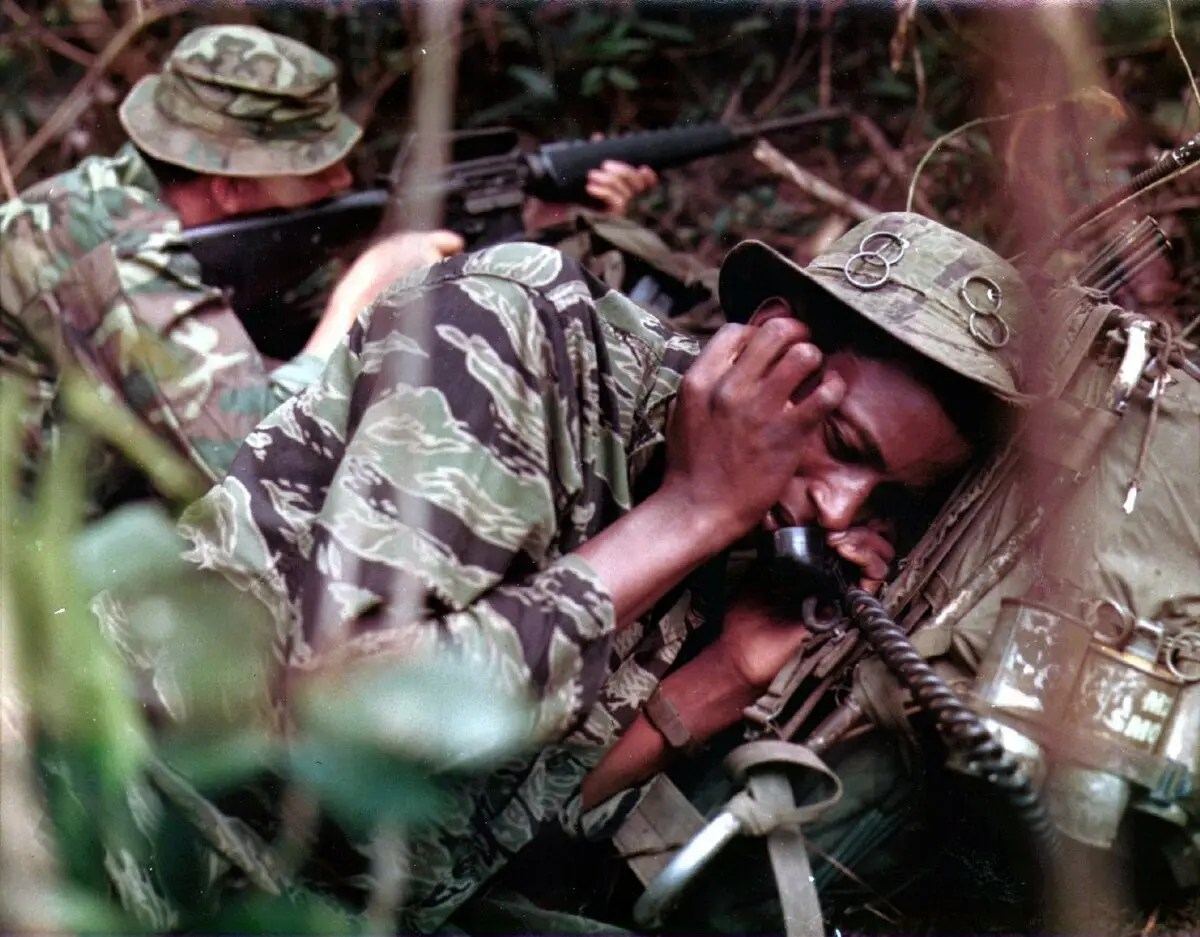
The Revolutionary Armed Forces of Colombia (FARC) started as a Marxist agrarian movement, but by the 1990s, they had become a multi-billion dollar criminal enterprise. The ideology of "redistribution of wealth" became a convenient cover for monopolising the cocaine supply chain. The tragedy is that the FARC destroyed the very peasantry they claimed to represent; farmers were forced to grow coca at gunpoint, and any community that tried to remain neutral or grow legal crops was brutally purged, turning vast swathes of Colombia into a lawless "Narco-fiefdom."
5. Nicaragua: The Strategic "Land Bridge"
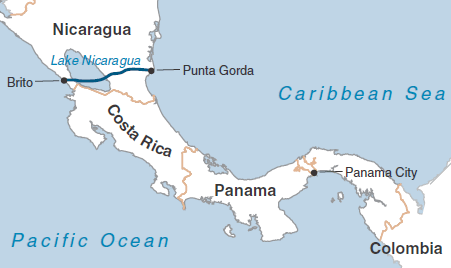
Under the Sandinista regime of Daniel Ortega, Nicaragua transformed into a critical "superhighway" for drugs moving North. Facing economic isolation, the socialist government allegedly turned a blind eye, or actively facilitated, shipments for Mexican cartels in exchange for cash injections to keep the regime afloat. This corruption hollowed out the Nicaraguan police and judiciary, leaving the country with a government that speaks the language of "Social Justice" but operates with the ethics of a mafia don.
6. Cuba: The Asymmetric Warfare Doctrine
While Cuba often portrays itself as morally superior, the 1989 execution of General Arnaldo Ochoa revealed the dark truth: high-ranking Cuban officials were coordinating with the Medellín Cartel to smuggle drugs into the US. For the communist leadership, this was a "win-win": it generated hard currency for the cash-strapped island while "poisoning" American society. This cynical strategy of using drugs as a weapon of war against the "Yankee Empire" set the precedent that later regimes like Venezuela would follow on a massive scale.
7. The Destruction of Legitimate Economies
The ultimate tragedy of the "Narco-Socialist" model is the economic wasteland it leaves behind. When a state relies on drug money to balance its budget (as Venezuela did), it ceases to care about legitimate industries like agriculture, manufacturing, or tourism. The "easy money" of cocaine causes "Dutch Disease," making other exports uncompetitive and fuelling hyperinflation. The result is a paradox: nations rich in illegal cash but with populations starving in the streets, dependent on government handouts funded by the very poison destroying the region.
)
)
)
)
)