'Billion-dollar fighter jet': How much does it really cost to fly an F-22 Raptor?

The Raptor is not simply an aircraft, it is a system whose expense reflects the cutting edge of aerospace technology and the strategic choice to keep it exclusively American.
Introduction: The Price of Air Superiority
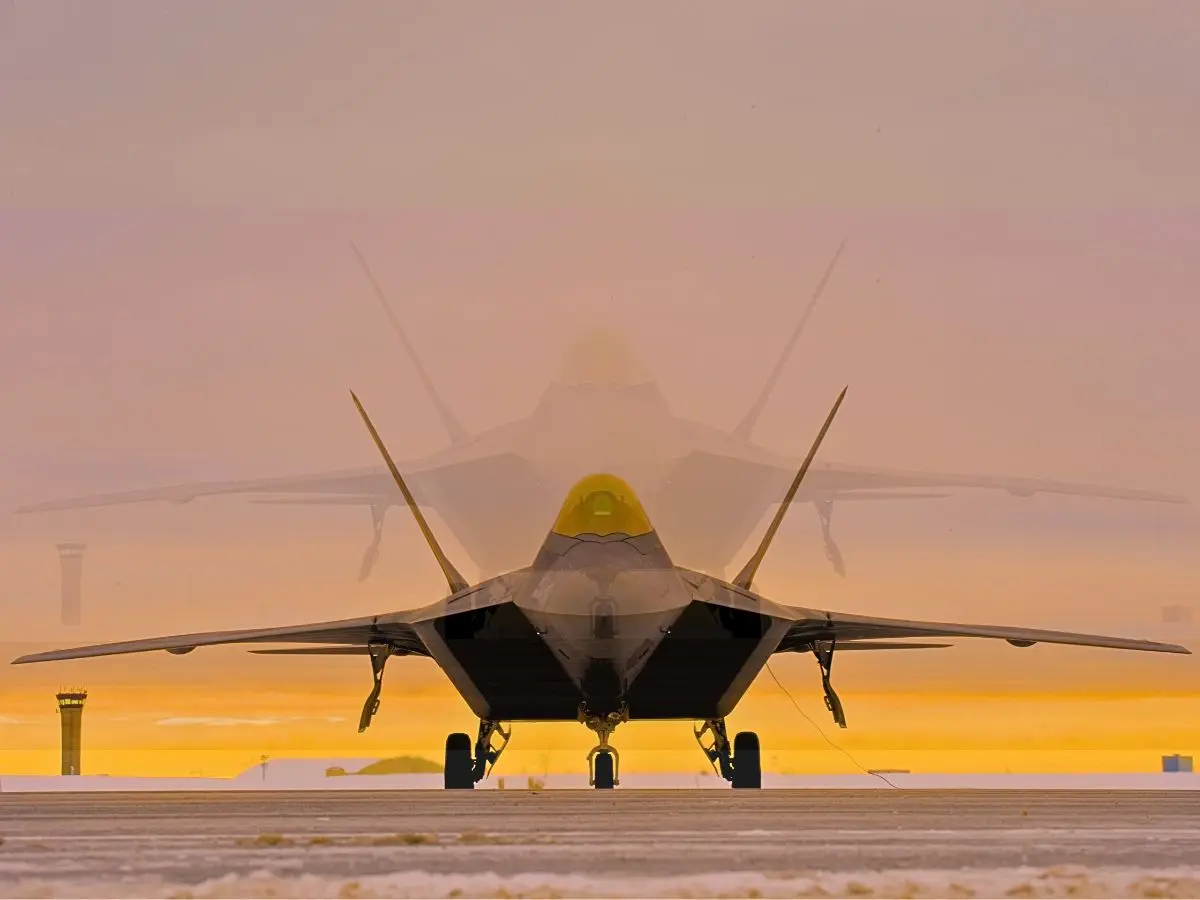
The F-22 Raptor is often hailed as one of the most advanced fighter jets ever built, but its unmatched capability comes at a staggering financial cost. Beyond its production price tag, operating and sustaining this stealth aircraft is an immense burden on the United States Air Force. The Raptor is not simply an aircraft, it is a system whose expense reflects the cutting edge of aerospace technology and the strategic choice to keep it exclusively American.
A Fighter That Cost Too Much to Build
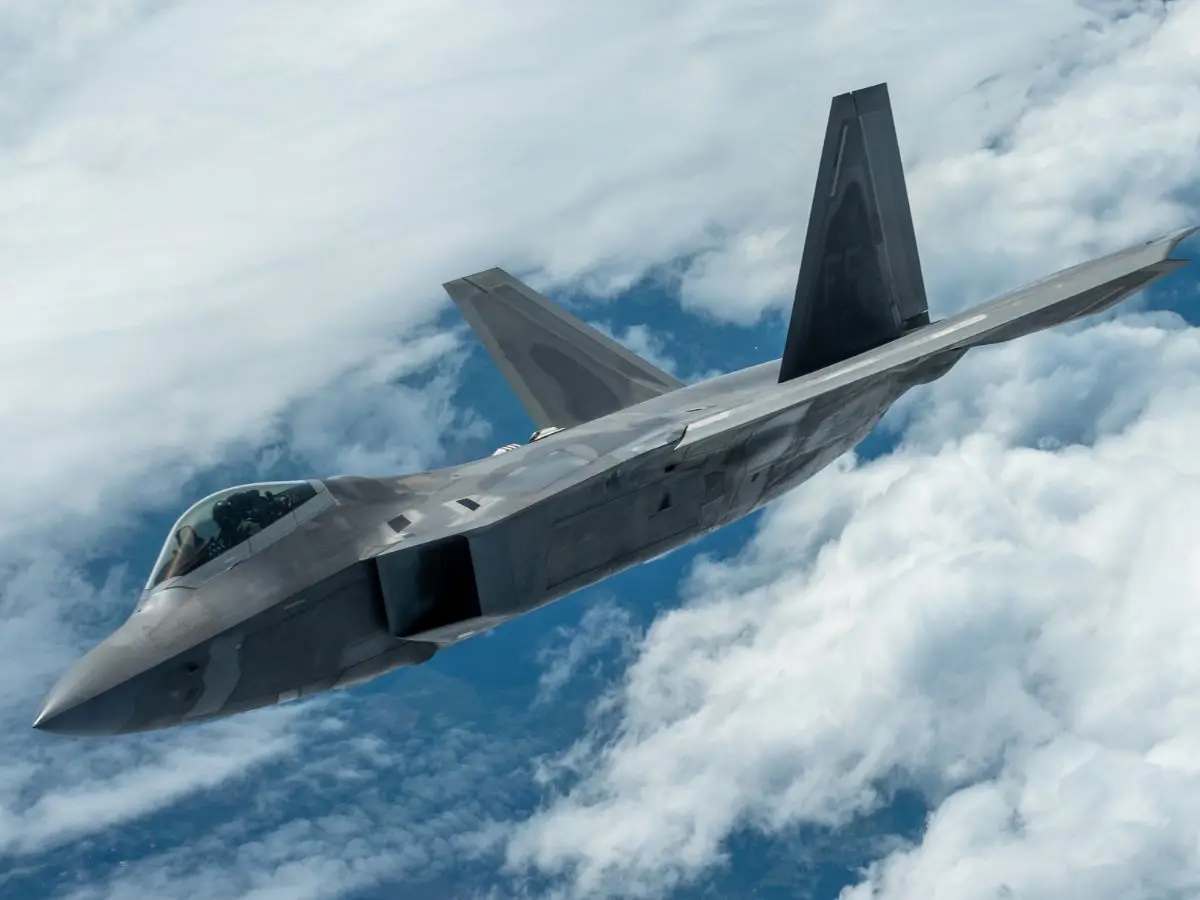
Each F-22 Raptor carried a procurement cost of around $150 million, but when research, development, and testing are factored in, the true unit cost rises to an eye-watering $334 million. With only 195 aircraft produced, the programme never benefited from the economies of scale seen in other jets. The result is a fighter whose acquisition price remains among the highest in history.
Operating Costs That Outstrip Other Jets
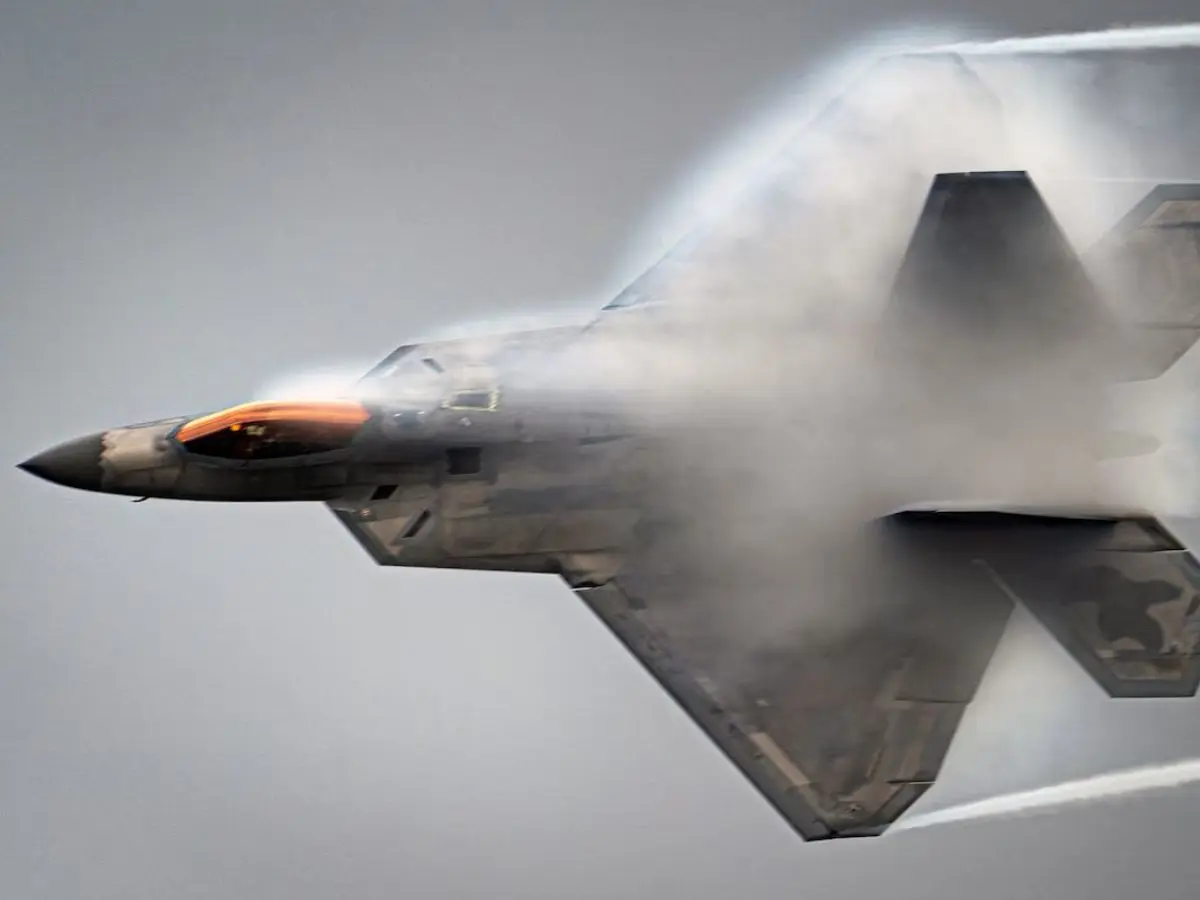
Flying the Raptor is almost as costly as building it. The average cost per flight hour is estimated at $70,000 to $85,000, far higher than fourth-generation fighters like the F-15 or F-16, and even exceeding the newer F-35 Lightning II. Each hour in the air demands intensive maintenance, inspection, and software monitoring, reflecting both the sophistication and the fragility of its stealth systems.
The Maintenance Burden of Stealth
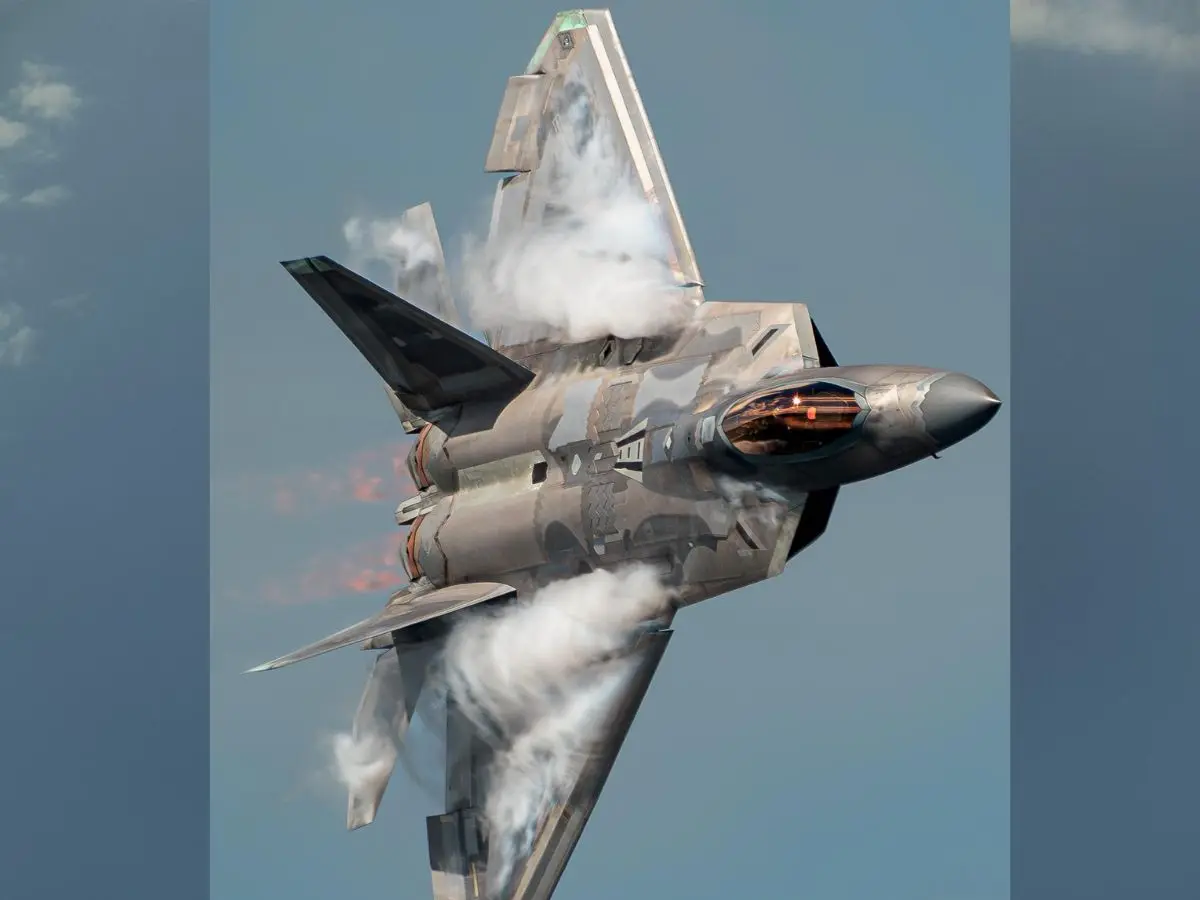
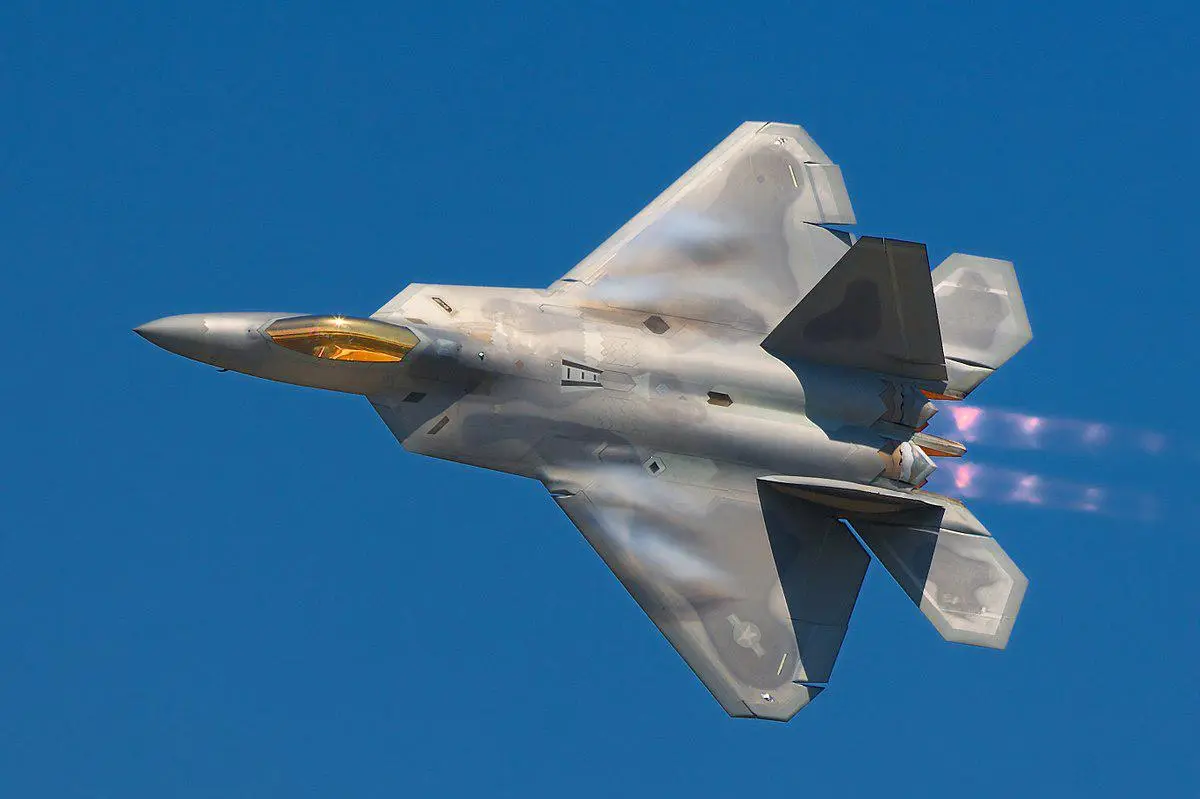
Much of the Raptor’s expense lies in preserving its radar-evading qualities. The jet’s surface is coated in specialised radar-absorbent materials that degrade quickly and require constant attention. Every mission flown shortens the lifespan of these coatings, meaning long hours on the ground are spent restoring the aircraft’s low-observable profile. This alone makes sustaining the fleet a costly and manpower-heavy task.
Why the Air Force Still Keeps It Flying
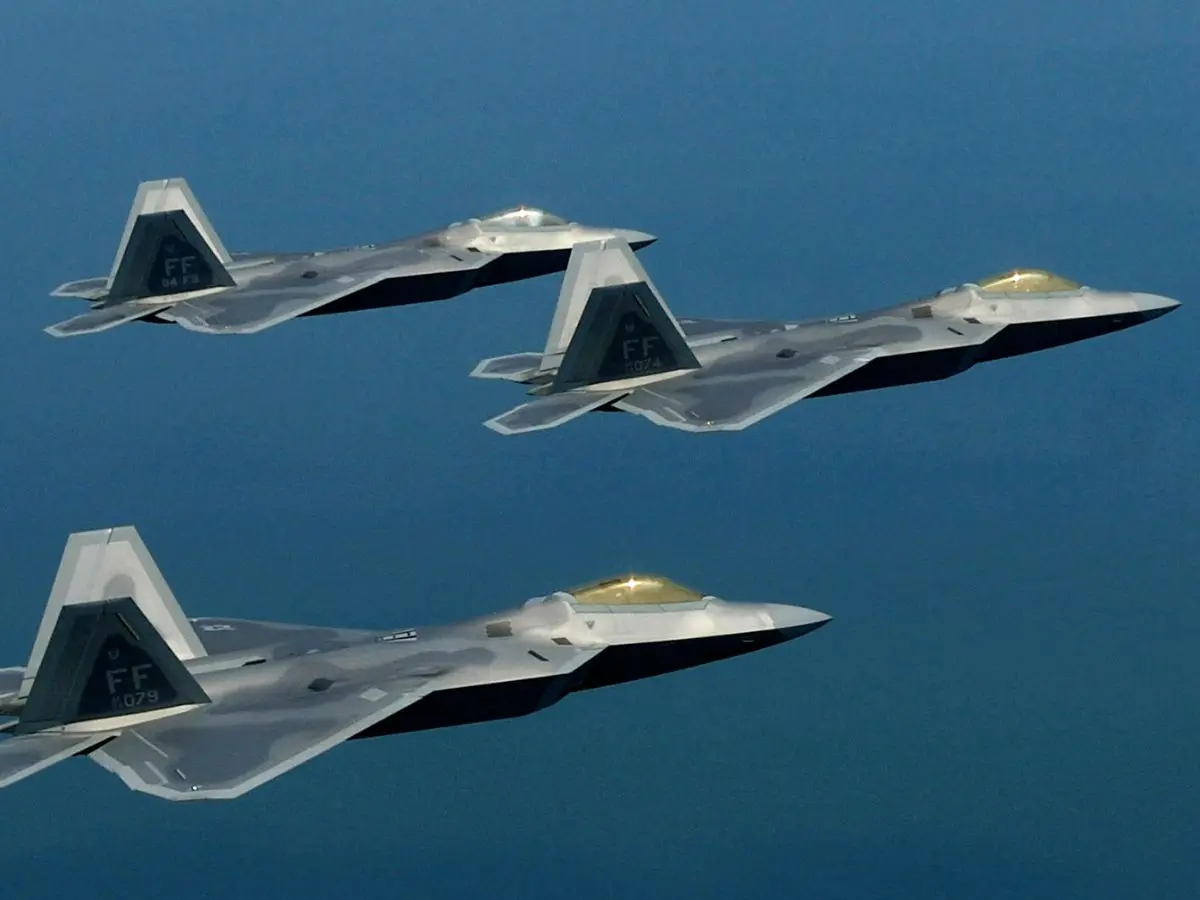
Despite the expense, the F-22 remains central to American air dominance strategy. Its unmatched combination of stealth, manoeuvrability, and advanced sensors ensures it can outperform any adversary. While other fighters such as the F-35 were designed with affordability and export in mind, the F-22 was purpose-built for one task, air superiority against peer threats. For the United States, it seems, maintaining that edge justifies the enormous cost.
The Legacy of an Expensive Icon
The cost of the F-22 was one of the major reasons production ended after fewer than 200 jets. Yet, even as budgets strained, the Raptor proved its value in deterrence, exercises, and real-world patrols. It remains the only operational fighter of its kind, a machine that symbolises both the extremes of modern aerospace technology and the high price of absolute supremacy in the skies.
Conclusion: The True Cost of Supremacy
The F-22 Raptor is a fighter built without compromise, and its costs reflect that reality. From billions spent on research to tens of thousands of dollars required for every hour in the air, it remains one of the most expensive aircraft ever fielded. Its exclusivity, capability, and unmatched record in air combat ensure it stands as both a financial burden and a strategic jewel.
)
)
)
)
)