India: Delhi govt renews ban on firecrackers to combat pollution

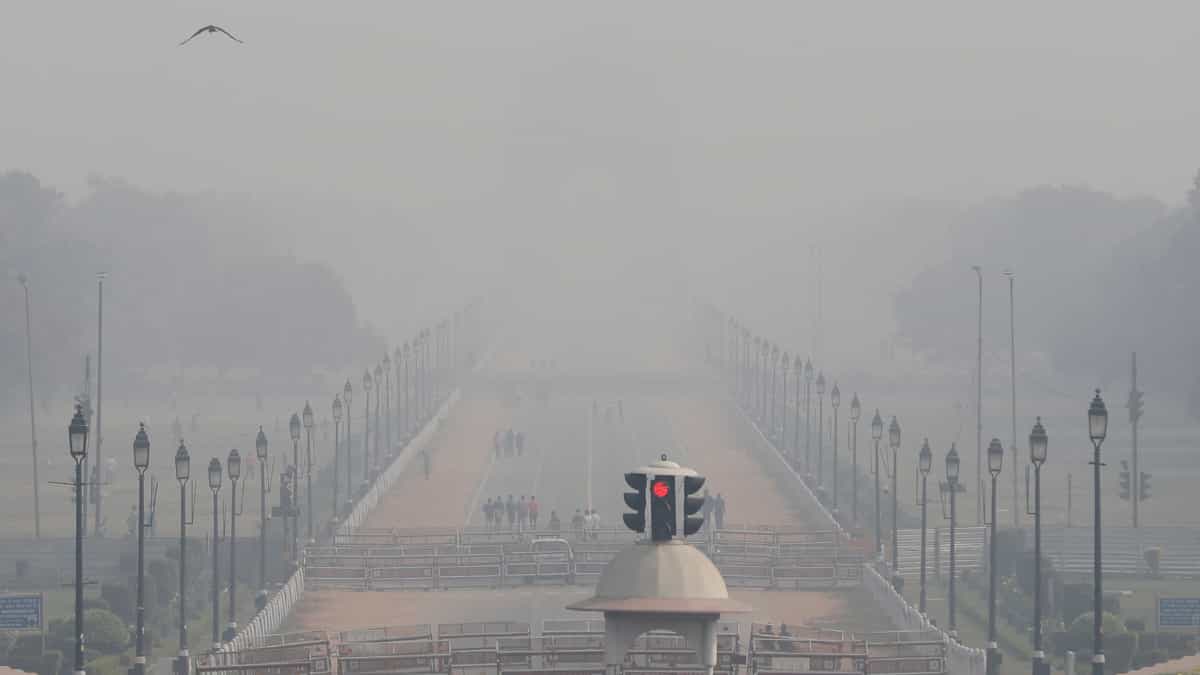
Delhi pollution
Ahead of Diwali, the Delhi government on Monday (September 11) re-imposed a ban on all firecrackers, due to the rise in pollution levels in winter when the air quality reaches hazardous levels, said the Indian capital city’s environment minister. India will be celebrating the festival of Diwali in mid-November this year.
What is the Delhi govt restricting?
“Manufacturing, storage, sale, online delivery and bursting of any type of firecrackers is completely prohibited in Delhi,” said Delhi Environment Minister Gopal Rai, during a press conference. The police have also been instructed to issue a circular on behalf of the Delhi Pollution Control Committee (DPCC) that no licence will be issued, he added.
This comes as Delhi Chief Minister Arvind Kejriwal has decided that firecrackers should be banned on the occasion of Diwali to control pollution, he said.
The move is aimed at controlling air pollution which typically peaks across the Indian capital city in December and January due to a range of factors.
“Celebrating festivals is important, but equally important is caring for the environment. That’s why we have made this decision in Delhi for the last 2 years, and the people of Delhi are supportive,” said Rai.
Pollution in Delhi during winter
During winter, smoke from hundreds of firecrackers that light up the sky during the festival usually leaves the city shrouded in toxic haze for days.
This is in addition to vehicular and industrial emissions as well as pollution from stubble burning in neighbouring regions, which are made worse as colder air traps all of these pollutants.
In a bid to control some of the pollution, the Delhi government has been imposing a ban on all types of firecrackers for the past three years, warning of jail time and fines for those flouting the orders.
Rai also noted a positive trend in Delhi’s air quality index (AQI) for the year from January to August but expressed concerns about the upcoming months.
The Delhi government is also set to meet with experts this week to draw up a winter action plan to combat pollution, the spike of which has prompted school closures and public health emergency declarations over the years.
The Indian capital also reported its best air quality since 2015 last year.
The G20 Summit host city, on the second day of the meetings on Sunday (Sep 10), said that the average AQI stood at 45, falling within the ‘good’ category, which was the best recorded since October 10, 2022.
The improved air quality is being attributed to the incessant rainfall and various restrictions imposed during the G20 summit.
(With inputs from agencies)
WATCH WION LIVE HERE
You can now write for wionews.com and be a part of the community. Share your stories and opinions with us here.