India calls for greater transparency in UN Security Council terror listings

&imwidth=600&imheight=450&format=webp&quality=medium "India calls for greater transparency in UN Security Council terror listings")
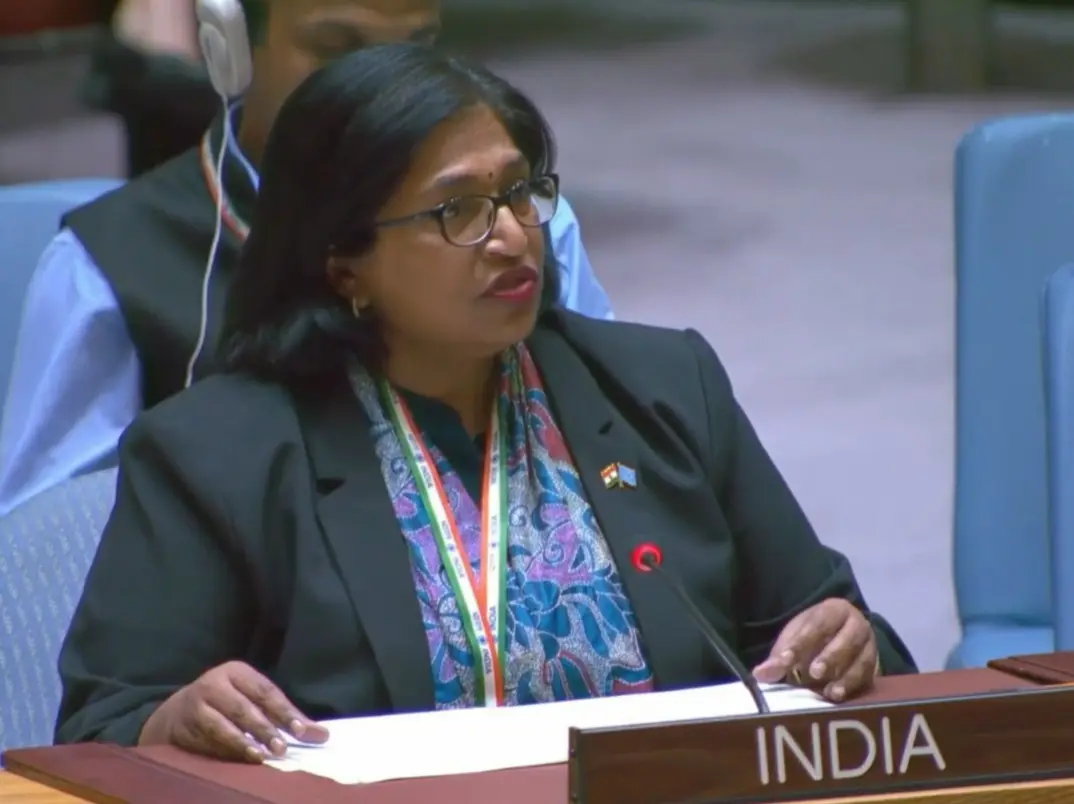
Ambassador Yojna Patel, India’s Chargé d’Affaires to UN Photograph: (UN screengrab)
The remarks allude to long-standing Indian concerns over delays in designating Pakistani-based terrorists linked to attacks on Indian soil, as well as unsuccessful Pakistani attempts to list Indian nationals.
India has called for urgent reforms to the United Nations Security Council, stressing greater transparency, equal access for elected members and an end to the use of the body for narrow political ends, particularly in the listing and de-listing of terrorist entities.
Speaking at the annual open debate on the Council’s working methods, Ambassador Yojna Patel, India’s Chargé d’Affaires to the UN, said, “Security Council membership brings significant responsibilities. This must not become a platform to pursue narrow political interests. Listing and de-listing are a case in point,” she said. “There must be more transparency and objectivity on this front. Presence in the Security Council must not be instrumentalised to legitimise terrorists by attempting to de-list them or to list other entities as terrorist organisations based solely on political considerations, without any objective criteria or supporting documentation.”
The remarks allude to long-standing Indian concerns over delays in designating Pakistani-based terrorists linked to attacks on Indian soil, as well as unsuccessful Pakistani attempts to list Indian nationals. Pakistan is currently a non-permanent member of the UNSC.
Patel underlined India’s well-known position on structural reform: expansion of both permanent and non-permanent categories with stronger representation for the Global South, achievable only through text-based negotiations with clear milestones and timelines.
Also read | Vijay govt rolls back order to stop students joining CJP, Left protests in Tamil Nadu – Here’s why
She argued that the need for change is more pressing than ever. “The world of 1945 has changed beyond recognition. UN membership has grown fourfold since then. The outcome of one conflict 80 years ago cannot determine the composition, dynamics, approaches and working methods for perpetuity. This needs to change and must happen at the earliest.”
The Council’s inability to intervene effectively in ongoing conflicts has raised questions among citizens worldwide about its credibility, efficacy and legitimacy, she noted, at a heavy human cost.
India also pressed for closer coordination with the General Assembly, the UN’s most universal and democratic body. The annual report of the Security Council should not be treated as a mere procedural formality, Patel said.
Non-permanent members, elected by the wider membership, must enjoy the same access to documents, including historical ones, as permanent members. Any discussion of working methods, she stressed, cannot be isolated from the broader reform agenda covering categories of membership, regional representation and the veto.
