In a first, Indian government announces strategy for suicide prevention: Here’s what you need to know

Suicide prevention India
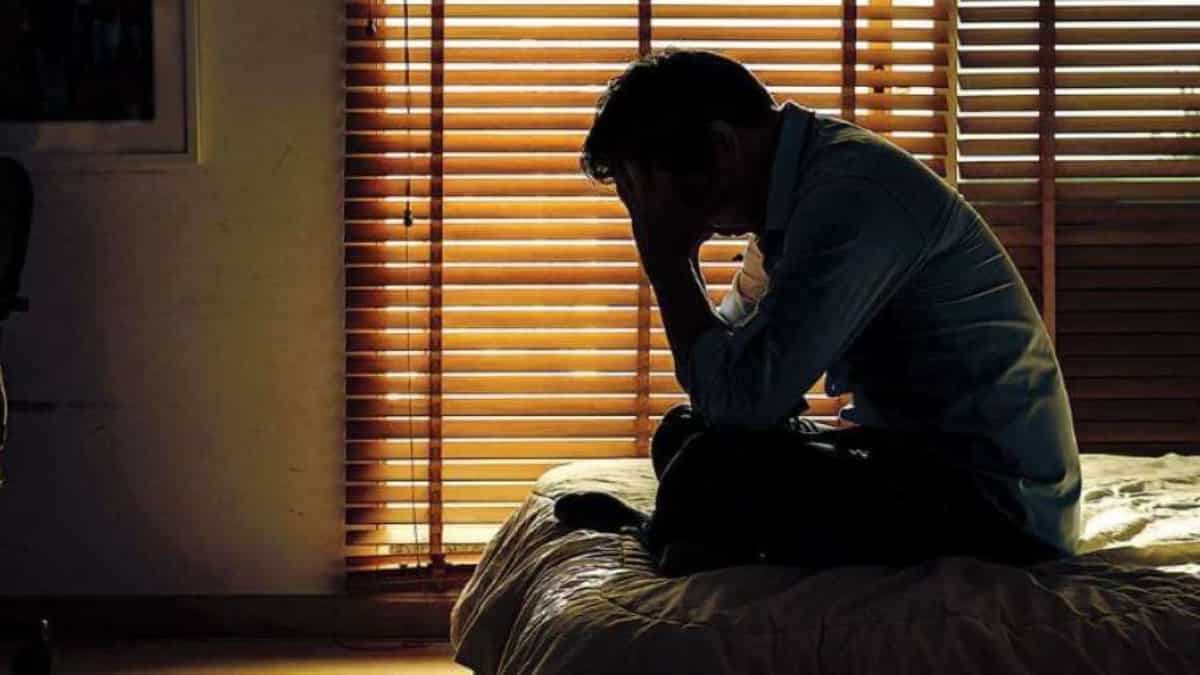
India accounts for nearly one lakh (0.1 million) deaths due to suicide every year, said a report by the Union Ministry of Health and Family Welfare. Therefore, with the aim to reduce suicide mortality, the government, on Monday, announced the first of its kind, National Suicide Prevention Strategy (NSPS) in India. It maps New Delhi’s time-bound action plan to reduce suicide mortality by 10 per cent (approximately 10,000) by 2030.
India’s record number of suicides
In the last three years, the suicide mortality rate has increased from 10.2 to 11.3 per 100,000 population, said a report by the health ministry. Additionally, the country with the highest youth population also accounts for the most number of suicides recorded among people aged 15-29 years. Furthermore, around 71 per cent of males and 29 per cent of females account for the total number of deaths by suicide in India.
ALSO READ |India: NCRB data shows increase in deaths by suicide in 2021

The report also said that the most common reason for committing suicide included family problems (34 per cent) and illnesses (18 per cent). It also noted the economic and professional status of an individual as a factor in the number of suicides as 63.3 per cent occurred among those who earn less than Rs. 1 lakh per annum ($0.1 million) in 2020.
This number nearly halved among those earning between Rs. 1 lakh and Rs. 5 lakh ($0.5 million) per annum in the same year. The document highlights that across the world at least one in three women who commit suicide are in India while men account for one in four along the same parameter. According to the report, over 60 per cent of suicides happen among people aged 18-45 years.
Last year, India’s rate of deaths by suicide reached a record high with 1,64,033 who took their lives due to various reasons, said a report by the country’s National Crime Records Bureau (NCRB). This is a 7.2 per cent increase from the preceding year and implies that India saw over 400 deaths due to suicide every day in 2021.
)
Mushtaq Khan dies at 56: When Welcome actor opened up about his salary for iconic role Ballu
)
US Supreme Court backs Trump administration's use of SAVE database to check voter citizenship
)
Heart of the Beast review: Brad Pitt leads a gripping tale of survival and loyalty
)
Outrage erupts after 3-year-old is married to 60-year-old man in Pakistan, link to her sister's murder being probed
)
Pakistan deploys over 20,000 security personnel as PTI vows march for Imran Khan's release
)
Asian Games: Shooting spree continues as India win silver in women’s 50m rifle 3P team event
)
‘Not just a local tragedy’: Nepal PM Shah warns UN of growing climate threat, says Nepal floods were 'a warning to the world'
)
OpenAI AI Agents hacked 4 websites before Hugging Face, researchers reveal
)
Pentagon quietly adds 37 wounded troops to Iran war tally without explaining when or how
)
Asian Games 2026: India women’s kabaddi team edge Iran 37-34 to clinch 3rd gold medal
)
Saudi Arabia still harbours intent to develop nuclear weapons, reveals US intelligence: Report
&im=FitAndFill=(700,400))
New Friday OTT releases (September 25, 2026): Don’t Be Shy, Hunkkaar: The Roar, Mango Pachcha- 6 movies and TV shows on Netflix, Prime Video and more
)
Yemen's war escalates: Saudi-backed leader calls for general mobilisation against the Houthis
)
‘Attack on Mecca a red line for Pakistan’: Shehbaz Sharif warns Houthis at UN
)
Tesla is preparing something big for Optimus: new Gen 3 models surface in app
)
Did Hitler kill his niece Geli Raubal? Newly found records reopen a 95-year-old mystery
)
Indian diplomat Petal Gahlot raises deteriorating situation in Pakistan-occupied Kashmir in right of reply at UN
)
Nigeria Navy moves to boost oil security, tackle crude theft and infrastructure threats
)
Scientists detect first radio signals directly from faraway planet
)
‘It is all possible’: Putin weighs next steps on Ukraine talks, rules out Europe conflict
)
10,000 gather in support of 87-year-old forcefully evicted from home of 71 years
)
India flags brutal violence in Pak-occupied Jammu Kashmir
)
Trump rejects Iran's 7-day ceasefire proposal as US weighs renewed bombing after midterms: Report
)
Gaza's war turned environmental damage into second crisis
)
Saudi oil exports surge despite Iran war
)
Trump-Xi summit wrap: Big pageantry, Iran talks, few major developments and more meetings planned
)
'Making history': Xi Jinping praises Trump as US-China leaders dine at White House
)
India's UN Envoy slams Pakistan: 'They claim security by day, terrorism by night'
)
Jay-Z rape case: Accuser says allegations were false, never met rapper
)
Myanmar training camp case: US national, 6 Ukrainians allowed to meet their families abroad
)
Trump-Xi summit: Xi wraps up us visit with 21-gun salute as Trump, Xi lock in 'strategic stability'
)
'FIRST LOOK from inside Noah’s Ark': Researchers share video from inside mysterious mound in Turkey
)
Cindy Crawford’s son Presley Gerber cremated as death probe continues
)
India's insurance regulator overhauls policies
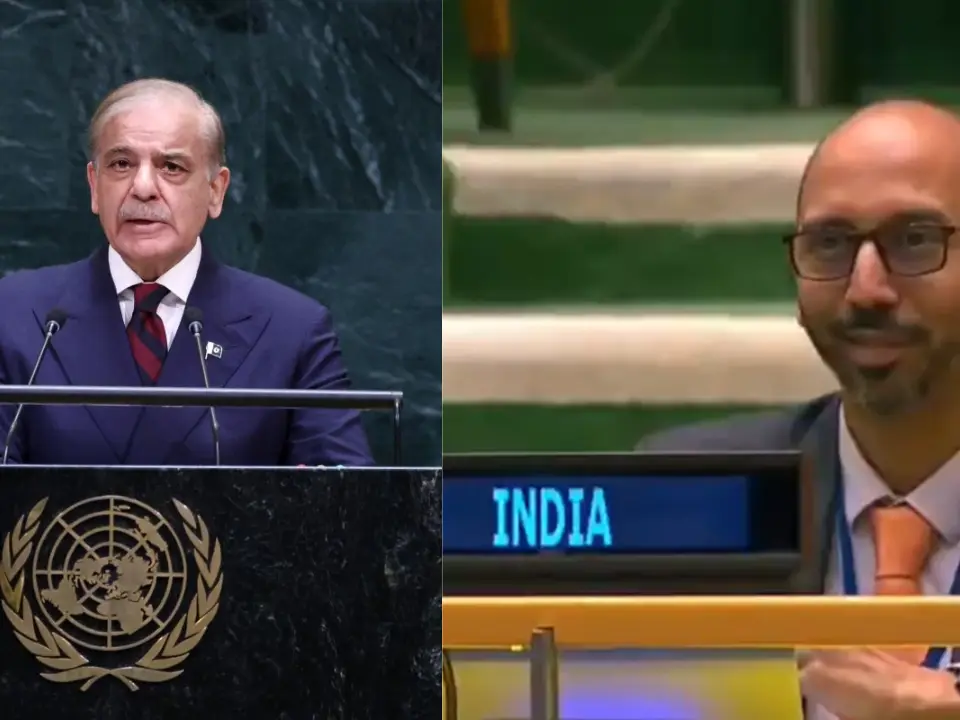)
WATCH | As Shehbaz Sharif claims Pakistan’s ‘victory’ during 2025 conflict, Indian diplomat R Srinivas laughs at UN
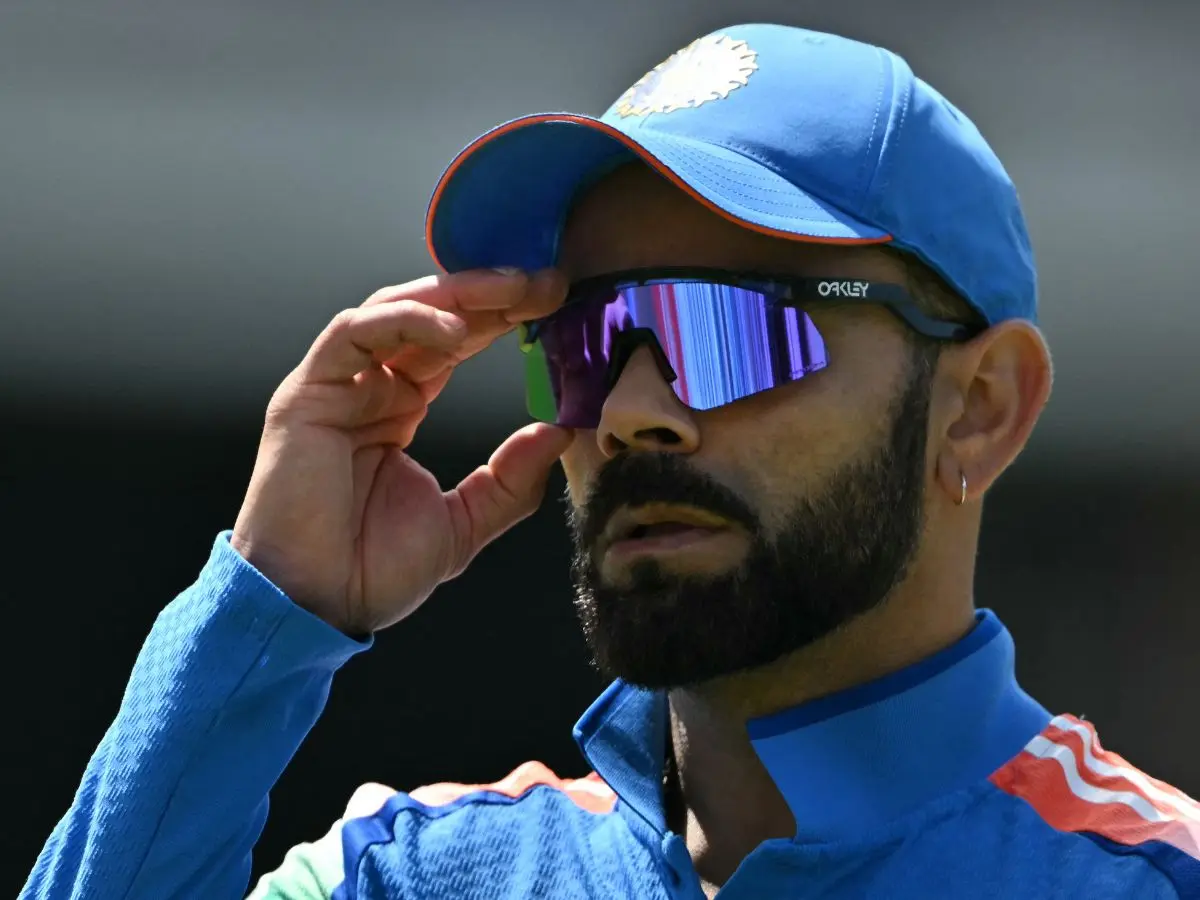)
‘Goal is to win it’: Virat Kohli confirms 2027 ODI World Cup will be his final tournament for India
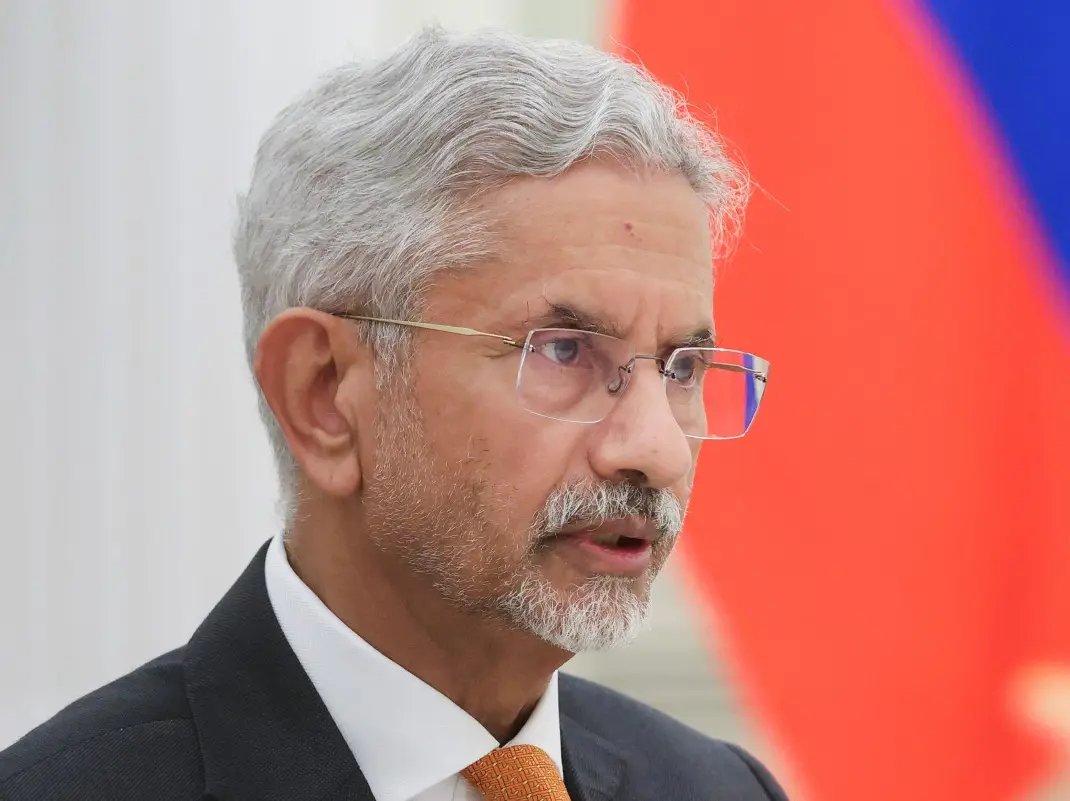)
'A terrorist country is asking me that question?': Jaishankar hits back at Pakistani journalist at UN; flags attacks on commercial shipping
)
US court backs Pentagon's decision to exclude Anthropic over Claude AI restrictions
What is the National Suicide Prevention Strategy (NSPS)?
The health ministry, citing the grim data, broadly seeks to establish effective surveillance mechanisms in the next three years to achieve a 10 per cent reduction in suicide mortality by 2030 through the NSPS.
ALSO WATCH |Gravitas: More Indians died of suicide than of Covid-19 in 2020
Some of these mechanisms include establishing psychiatric outpatient departments through the District Mental Health Programme in all districts across the country by 2027 to provide suicide prevention services. Additionally, in line with this programme, the government will also incorporate courses related to mental well-being in educational institutes across India within the next eight years.
In a statement, India’s Health Minister Mansukh Mandaviya said that preventing suicides is now a public health priority and impacts all sections of society. Therefore, it requires “concerted and collaborative efforts” from individuals as well as the community at large.
One of the priorities of this NSPS also includes reducing easy access to means of suicide, in line with which the government plans to phase out hazardous pesticides. The report also noted that the most common method of committing suicide is hanging and poisoning, followed by drowning and immolation. The government also plans to create guidelines for the media on responsible reporting about suicides.
ALSO READ |How India took a huge step forward by announcing mental health initiatives in its budget
“The most important is early identification of psychiatric illness and early treatment by 80-90%. Because the main problem with suicide is hidden psychiatric morbidity,” said Dr Rajesh Sagar, head of the psychiatric department at All India Institute of Medical Sciences (AIIMS) and one of the authors of the report.
Furthermore, citing the report he said that in nearly every case of one suicide there have been at least 10-20 previous attempts to do so and it could be higher. He added, “Therefore, we have suggested several protective factors against suicide such as early primary treatment, psychological support, access to quality treatment, restrict access to means of suicides.”
(With inputs from agencies)
If you or someone you know wants help for mental well being, don't hesitate to talk to a professional. Aasra (Mumbai) 022-27546669, 98204 66726, Sneha (Chennai) 044-24640050, Sumaitri (Delhi) 011-23389090, Cooj (Goa) 0832- 2252525, Jeevan (Jamshedpur) 065-76453841, Pratheeksha (Kochi) 048-42448830, Maithri (Kochi) 0484-2540530, Roshni (Hyderabad) 040-66202000, Lifeline 033-64643267 (Kolkata), Parivarthan (Bangalore) +91 76766 02602
WION is not associated with any of these organisations and does not make any recommendations
WATCH WION LIVE HERE
You can now write for wionews.com and be a part of the community. Share your stories and opinions with us here.