
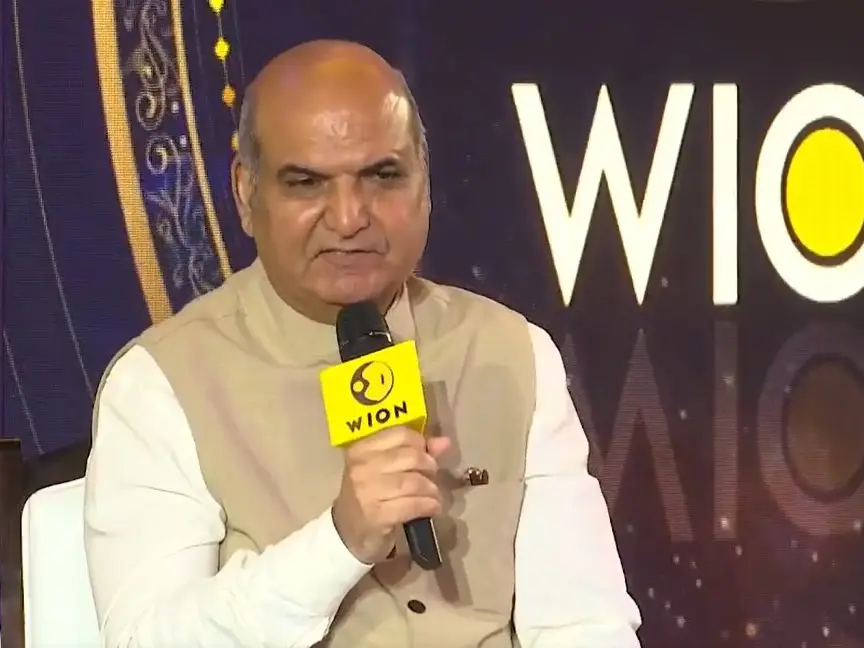
&imwidth=800&imheight=600&format=webp&quality=medium "WION Health Pulse: What is brain economy? How $1 invested in mental health can return $11; Dr Rajinder K. Dhamija explains")
Mental health has emerged as one of the most pressing yet under-recognised public health challenges of our time. Addressing this growing concern, experts came together at the WION Health Summit during session 2: Mental Health - The Invisible Pandemic to discuss the rising burden of mental health disorders and the urgent need for awareness, intervention and support systems.
To discuss Mental Health, Dr Rajinder K. Dhamija, Director and Professor of Neurology at the Institute of Human Behaviour and Allied Sciences (IHBAS), explains the new concept of brain economy, brain skill and brain capital.
Also read: WION Health Pulse: 'Mental health is often ignored in Indian household' says Dr Jitendra Nagpal

‘’There is a concept called Brain economy. If your population is mentally healthy, your GDP will increase exponentially. It is called the Brain economy. If one dollar is invested in one's mental health has a return of $11 in the productivity. So this is something that is happening globally.''
Concluding the session, Dr. Dhamija shared the highlights of the discussion and said, "In India, health is not a right, but mental health is."
Drawing attention to the scale of the problem, Dr Dhamija said that IHBAS, one of the country's largest mental health institutions, sees more than 3,000 patients daily. He stressed that stigma and low mental health literacy remain major barriers to treatment.
"People need to understand that there is a need for mental health intervention, but there is less demand for it. So we have to create that demand. We all understand there is a problem, but how many people come forward to seek professional help? So, that is where we are lagging behind, and where health literacy is, too. Where we can work on and conclave like this are very important for people to come forward and seek professional help.‘’ he said.

