Teasing kids about weight linked to long-term body image issues, study finds

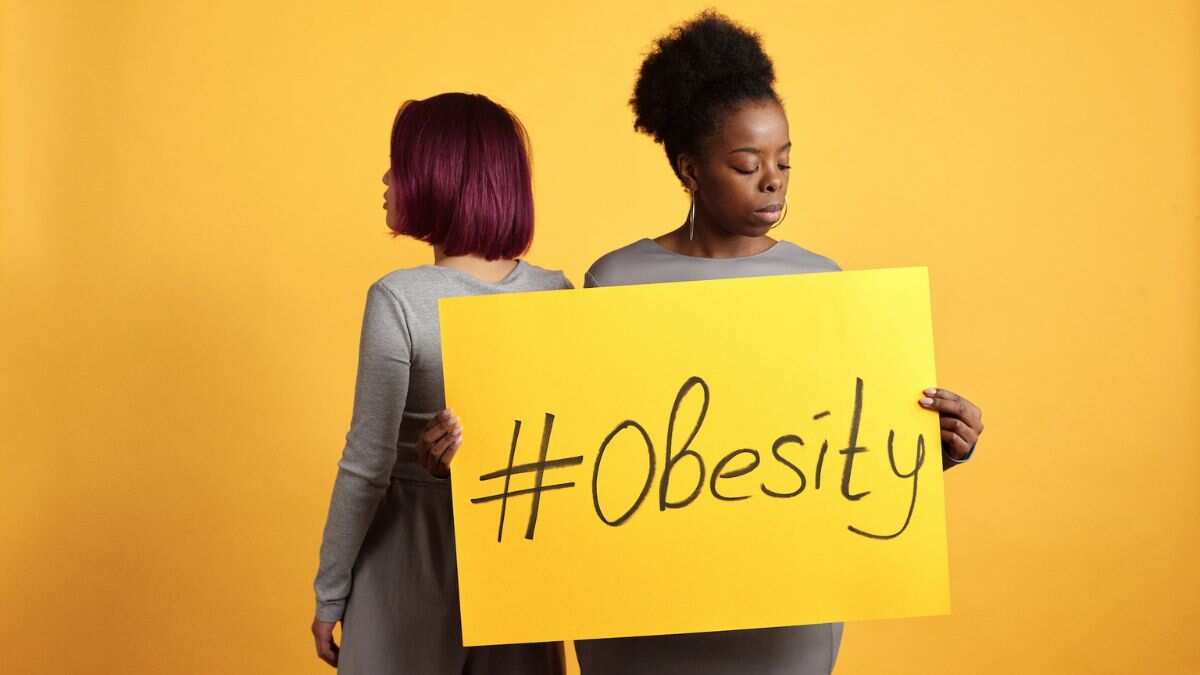
Obesity
Teenagers teased by parents about their weight are more likely to struggle with body image well in their adulthood, regardless of their weight, a new study by the University of Bristol reveals.
The research, published in Lancet Regional Health Europe, shows that pressure from family to lose weight during adolescence can have lasting consequences on the children.
Thirteen-year-olds who felt pressure from family members to shed pounds and endured weight-based teasing showed higher levels of internalised weight stigma when they turned 31, according to research by the University of Bristol.
Internalised weight stigma also means when people believe negative stereotype about weight and apply them to themselves. This can make them feel unattractive, incompetent, or even worthless, regardless of their actual size. It affects people of all weights, not just those with obesity or who are underweight.
The internalised stigma can be a major contributor to eating disorders and an unhealthy obsession with thinness, as per the study.
These negative feelings are fueled by pressure from parents, families, bullies, and even the media, leading to "strong and long-lasting effects on adult psychological health."
More than 4,000 children from in and around Bristol who were first studied in the 1990s and are now 33 were part of the study.
Children in their 13 were asked about how often their parents had made a comment about their weight and how much they were eating that made them feel bad, to what extent family members and people at school teased them about their weight or body shape, and how much pressure they felt to lose weight from family, friends and people they dated.
The researchers reached out to the original group of 4,060 participants 18 years later. Now adults, they were asked a series of questions to determine their current feelings about their weight. These questions delved into their self-esteem and body image, with statements like "I hate myself because of my weight" and "I am less attractive than most other people because of my weight."
The analysis revealed a clear link, those who experienced negative weight comments from parents, pressure to lose weight from family, or felt bombarded by similar messages from the media during their teenage years, showed the strongest association with internalized weight stigma as adults. The researchers highlighted the long-term consequences of such experiences.
“The kids who get these comments from family members almost 20 years later have a more negative evaluation of themselves,” said Dr Amanda Hughes, a co-author of the report and a fellow at Bristol medical school’s department of population health science. “This is predicting a difference in people’s self-esteem and psychological health.”
She urged parents to “be really careful” when they talk to children about weight.
“This isn’t to say you shouldn’t be promoting healthy eating or saying exercise is a good thing, but it is about why you are making that case,” she said. “It’s about encouraging healthy eating practices for their own sake or because it makes you feel good. Don’t make it about ‘you need to be thin to be good’.”
(With inputs from agencies)