FDA-approved drug Lecanemab becomes hope for millions of Alzheimer's patients

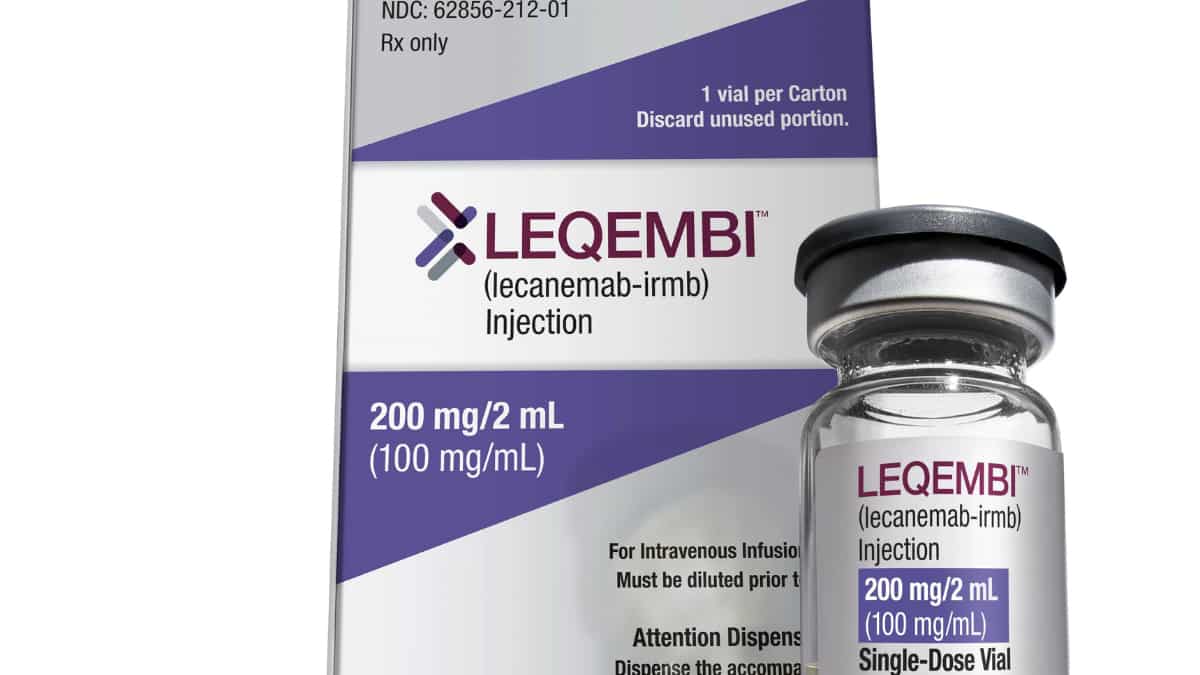
Lecanemab
The Food and Drug Administration (FDA) panel unanimously endorsed Lecanemab (Leqembi) to combat the progression of Alzheimer's. It is a breakthrough in Alzheimer's treatment. Experts called the clinical trial results of Lecanemab robust, clear, and consistent. It offers hope for 6.5 million individuals affected by Alzheimer's disease. However, the Centers for Medicare and Medicaid Services (CMS) have added a condition to Lecanemab's coverage, Hindustan Times reported.CMS will cover the drug for patients who join a national registry. Patients, doctors, and caretakers are concerned about the registration process and timeline.
CMS's Coverage Criteria
Alzheimer's Association has expressed their disagreement with the criteria implemented by CMS. According to them, it is unnecessary and could hinder patients' medical coverage. They believe that individuals with Alzheimer's disease should have unrestricted access to FDA-approved therapies, similar to patients with cancer, heart disease, and HIV/AIDS. The Alzheimer's Association believes these life-changing treatments must be available to all. The coverage delays and restrictions also have financial implications. Despite the CMS's reservations, the Department of Veterans Affairs (VA) will provide lecanemab for patients within the VA system.
More about lecanemab
In clinical trials, lecanemab showed a 27 per cent slower decline in cognitive abilities among individuals with mild cognitive impairment or Alzheimer's dementia. The drug also demonstrated the potential to increase the capability of patients to perform tasks like dressing and feeding themselves.
Side effects of lecanemab
The side effects of lecanemab include infusion site reactions and amyloid-related imagining abnormalities (ARIA), characterised by swelling in the brain. According to lecanemab's current label, doctors must monitor patients using MRI imagery to detect signs of ARIA.
Unfortunately, Alzheimer's disease has no cure till now. Its advanced stages can lead to severe brain function loss, dehydration, malnutrition, and fatal infections. Lecanemab is not a cure for Alzheimer's disease. But it is an FDA-approved treatment that changes the course of the disease for people in the early stages. According to reports, manufacturers of lecanemab set the price at $26,500 a year.
Lecanemab is appropriate for people with early Alzheimer's with diagnosed elevated beta-amyloid. According to the Alzheimer's Association, researchers tested the drug on people living with early Alzheimer's dementia and MCI due to Alzheimer's. These patients have a buildup of beta-amyloid plaques in the brain. However, people with more advanced stages of Alzheimer's or those without clinical symptoms did not participate in the clinical trials. Thus, there's no evidence of whether lecanemab would work on patients with a more complicated case of Alzheimer's.
(With inputs from agencies)
WATCH WION LIVE HERE