Experiencing cardiophobia post seeing viral clips of 'people falling dead'? Learn ways to prevent heart attack

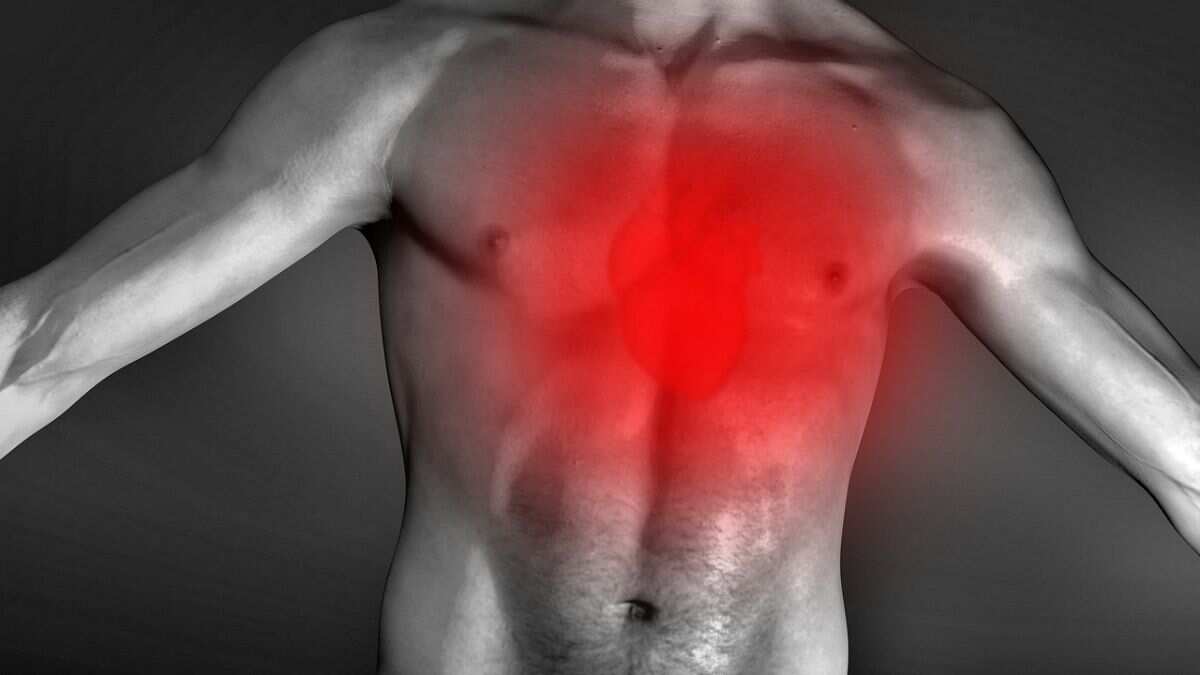
Prevention tips to avoid heart attacks and strokes
When you have endless harrowing viral videos popping up on your social media feedspurportedly showing people falling and apparently dying from heart attacks, it's hard to ignore the increasing rate of cardiovasculardeaths in adults. Just a few days ago,a CCTV video of a man dying from a silent heart attack at a Madhya Pradesh temple went viral. Then we also saw, in recent days, aviral clip of a 40-year-old man in Uttar Pradesh's Varanasi suffering a heart attack while dancing at a wedding event. Many such similar incidents have led to netizens developingcardiophobia and there's only one way to get rid of it,i.e.,living a heart-healthy lifestyle that will help you avoid and reduce heart attack and stroke risk.
Here's a list of prevention tips to lower your heart disease risk!
- Quit smoking and drinking alcohol
- Favour good nutrition
- Aim for a healthy weight
- Stay active and avoid sedentary lifestyle
- Reduce stress
- Get regular full-body checkups
Quit smoking and drinking alcohol
According to a study published in the Journal of the American College of Cardiology, people can reduce their heart attack risk by 36 per cent by quitting smoking and another 11 per cent by reducing their alcohol intake. So, according to experts, you can reduce the chances of a heart attack or stroke by almost half if you make positive lifestyle changes and say a big 'no' to smoking and drinking alcohol.We know it's tough to quit these habits but remember it's tougher to recover from a heart attack or stroke or to live with chronic heart disease.
Favour good nutrition
Not one or two but several studies suggest that ahealthy diet can be your strongest weaponagainst cardiovascular disease. With your diet, you can control cholesterol levels in your body, control blood pressure, keep diabetes in check and maintain your weight. So, experts always suggest having nutrient-rich diets, rich with vitamins, minerals, fibre and other nutrients. But make sure that your diet is lower in calories and unhealthy cholesterol.
If possible, follow a plant-based diet, full of vegetables, fruits, and whole grains, You can alsoincludelow-fat dairy products, poultry, fish, legumes, nontropical vegetable oils, and nuts in your diet. Just ensure that youlimityour intake of sweets, sugar-sweetened beverages, and red meats.
Aim for a healthy weight
Obesity places you at a high risk of increased cholesterol, high blood pressure and insulin resistance, which is a precursor of type 2 diabetes. These are the very factors that heighten your risk of cardiovascular diseases. The best way to avoid all of this is to maintain a healthy weight and keep your waistline under 37 inches (for men) and under 35 inches (for women). According to a study, it can reduce your heart attack risk by 11 per cent.
Stay active and avoid sedentary lifestyle
Moderate daily and weekly exercise routines can reduce your heart attack and stroke risk by 3 to 4 per cent. So make sure that you invest at least150 minutes per week into moderate-intensity physical activity to help lower your blood pressure, lower your cholesterol and keep your weight at a healthy level.
Reduce stress
A few studies have found a relationship between cardiovasculardiseases and stress in a person's life. And, since people under stress may indulge in binge eating, start smoking or increase their alcohol intake, it's best to work on your stress beforehand. Be it work-related stress or love-related stress, you must take out some time every day to indulge in stress-relieving activities like meditation and remain stress and depression free.
Get regular full-body checkups
There're several yearly and monthly preventive tests to build chances for treatment and cure for cardiovascular diseases. How often you need these checkups and tests depends on your age, family history, and your lifestyle. Since about 60-70 per cent of these sicknesses are preventable with timely evaluation and intervention, experts suggest that you regularly visit your doctor and get the check-ups suggested by your physician.
WATCH WION LIVE HERE
You can now write for wionews.com and be a part of the community. Share your stories and opinions with us here.