Exclusive: Dermatologist shares 7 tips to prevent breakouts and severe acne

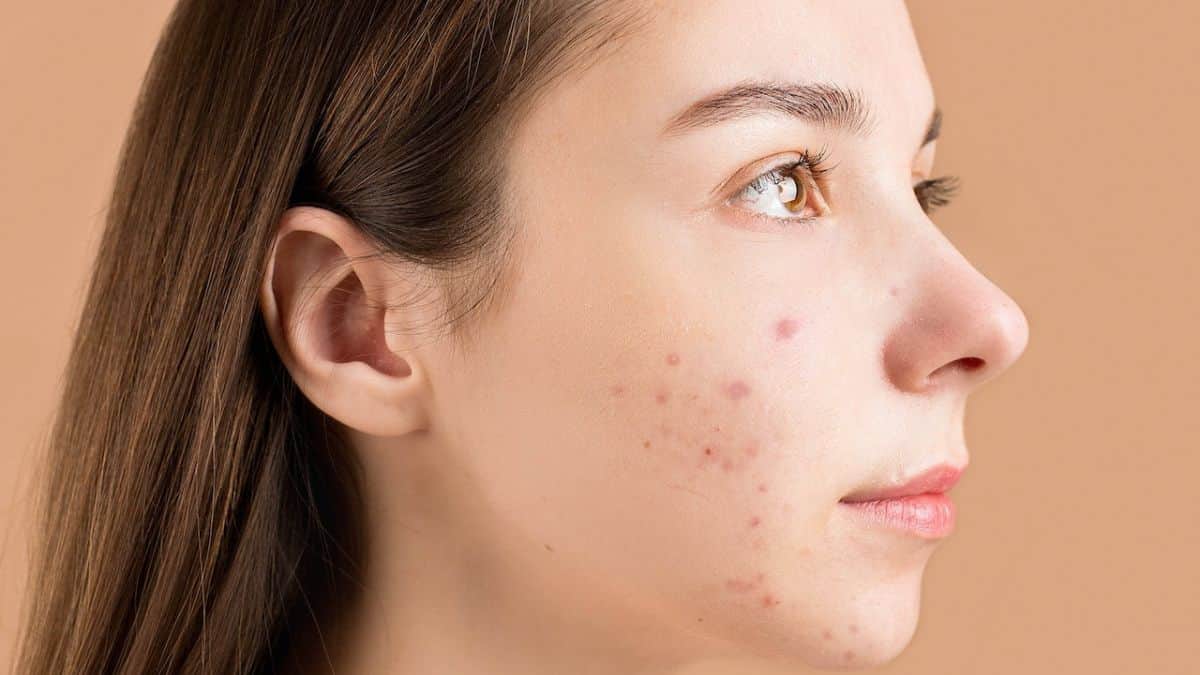
Tips to treat severe acne!
Acne is a multifactorial condition that can occur in several stages, from comedones (blackheads/whiteheads) to acne (zits/ breakouts). To treat or prevent breakouts and get the best results, it is important to use the right skincare products and identify the root cause of acne. You can also make some simple lifestyle changes to fight pimples and get clear skin. We spoke to an expert to get you quick tips and advice.
Speaking exclusively to WION,Dr Sonali Kohli, Consultant Dermatologist and Venereologist, Sir HNReliance Foundation Hospital and Research Centre, shared the following:
Tips to fix and prevent breakouts!
- Follow a healthy skincare regime
- Avoid products with harsh ingredients
- Use approved acne treatments
- Moisturise
- Never pick on or pop your acne
- Avoid sharing towels
- See a dermatologist
1) Follow a healthy skincare regime: Cleanse your face twice a day with micellar water that is PH balancing and removes excess oil, dirt, and dead skin cells. Follow it up with a mild face wash. Avoid scrubbing your skin too often, as this can irritate it and make acne worse.

2) Avoid products with harsh ingredients: Avoid using harsh skincare products, such as astringents or scrubs, as they can strip your skin of its natural oils and disturb the skin microflora and PH leading to more breakouts. Look for products that are labelled "non-comedogenic" or "oil-free"even in sunscreen and makeup.
3) Use approved acne treatments: Applying over-the-counter acne treatments that contain benzoyl peroxide, salicylic acid, or alpha-hydroxy acids without supervision can enhance skin sensitivity and redness. Prescription topical medicines can help unclog pores, reduce inflammation, and kill acne-causing bacteria.
4) Moisturise: Use a lightweight, oil-free moisturiser to keep your skin hydrated without clogging your pores. Dry skin can lead to PH imbalance and sensitivity, which further worsen acne breakouts.So it's important to moisturise regularly.

5) Never pick on or pop your acne: Picking or popping your acne can lead to scarring and more breakouts. Instead, use a spot treatment containing salicylic acid to reduce the size and inflammation of your pimples under the guidance of your Dermatologist.
6) Avoid sharing towels: Towels can trap sweat and oil against your skin, which can lead to more acne breakouts and transfer if not changed regularly. Use soft face towels that are non-abrasive.
7) See a dermatologist: If your acne is severe or not responding to over-the-counter treatments, see a dermatologist. They can prescribe prescription-strength acne medications or recommend other treatments, such as laser therapy or chemical peels.
Disclaimer: Tips and suggestions mentioned in the article are for general information purposes only and should not be construed as professional medical advice. Always consult your doctor or a professional healthcare provider if you have any specific questions about any medical matter.