Explained: Child influencers' lives are glitzy, but gloomy! Now some are fighting back

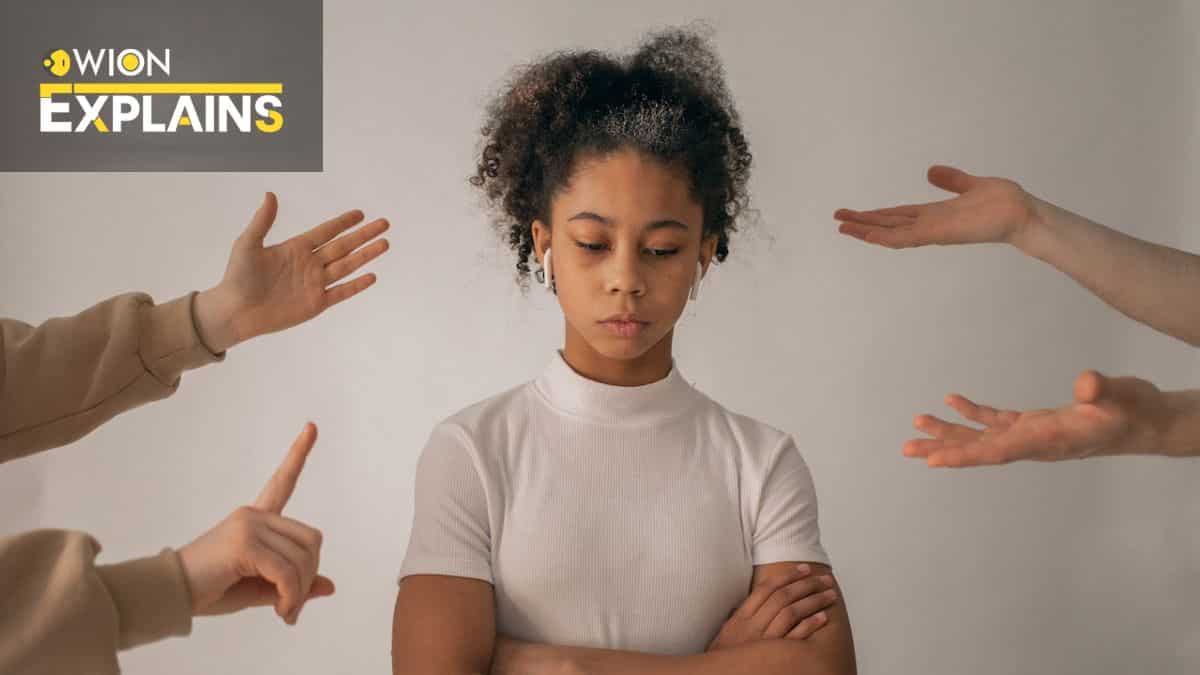
Legal protections for the internet's child stars
So much has changed in just two decades! We've made a quick yet smoothtransition from photo albums or photo booksto photo galleries in our iPhones. Now, 21st-century parents don't wait for special occasions to hire a photographer and get albums made of some 50 to 60 pictures. Instead, they just take their smartphones out of their pockets, click a few selfies, and directly upload them to social networking sites that have millions, if not billions, of users.
In recent days, we've seen so many viral sensations, especially kids, breaking the internet with their adorable videos and photos. "Sharenting", which refers to parents regularly sharing photos and videos of kids online for likes and shares,is quickly gaining popularity among the masses.But, let's be clear, when it comes to sharing content involving children on social media, especially via sponsored posts and brand deals, what is legal is not always ethical. And, since some US states are starting to regulate the child influencer industry, it could soon become illegal.
Where does the problem lie?
There're two major concerns when it comes to oversharing information about kids online - first, the privacy concern and second, child labour laws currently do not extend to child influencers.The industry is pretty much unregulated so these young stars have a higher chance of gettingexploited.Let's take a deeper dive into it!
Privacy concern
Did you know most newborns today have a digital footprint even before they get their first milk tooth? Some kids even have a social media account before they're born. Parents go from sharing photos of their kid's first ultrasound to their first potty training session and a lot more on family vlogs. And, all of this is without the kids' consent, because parents make all the decisions for them till they turn 18 or become adults. Slowly and steadily, parents fall into the trap of "sharenting" that comes with risks attached.
Once you post something online, it can be incredibly difficult to delete it since multiple shares could send a picture or a video of your child halfway around the world. It will end up in photo archives of people you don't even know, and once it's on someone else's hard disk, you'll never be able to remove it. And, the dark web is notorious for child pornography that has hundreds of stolen images from these social networking sites. If parents sharefull names, date of birthand place of birth of their kidsalongside photos, fraudsters can steal their identities and commit crimes.
And, then there's the question of consent. How many of us would like our most embarrassing childhood memories to be circulating on social media? In times when people use filters to boost their egos, is it ethical for parents to present their kids' most private moments to the world on a platter?
Child labour laws for young influencers
Traditional child actors are protected by child labour laws in the United States and a few other countries, however, there's nothing on the books for young influencers.As a result, they are at a highrisk of financial, physical, and psychological exploitation. In simple words, these toddlers cannot decide how long they work and there is no regulation too, they don't have a right to the money earned through brand deals and sponsorships,and they don't get to decide with whom they want to work. So, a simple question arises: when child influencers are a large part of social media's advertising success and they earn millions each year, with the most successful of them earning upwards of $29 million, why isn't the industry regulated?
These concerns aren't just a theory of what could happen - it's already happening and is being reported.
In 2017, Heather and Michael Martin, who ran a YouTube account called "FamilyOFive",were charged and eventually convicted of child neglect and sentenced to five years probation for pulling disturbing pranks on their kids and verbally abusing them for an online audience.
In 2020, more than 17,700 people signed a petition urging child protective services to investigate the parents who run a YouTube channel called "8 Passengers", after viewers began questioning the couple's parenting methods. The channel is now defunct.
In another case from 2020, Myka Stauffer, a YouTube creator, who had documented her adoption journey, gave away her adoptive son after creating a slew of content about his medical problems. Stauffer faced a huge backlash, and people questioned the ethics of such content. Thankfully, several such cases have started catching the attention of lawmakers around the world.
What is being done and where?
The practice of parents exploiting their children for a few likes and shares on YouTube or TikTok is finally seeing some real scrutiny in a few places. But, we still have a long way to go!The Washington state legislature held its first hearing in February for House Bill 1627, which aims to ensure that kids who featureheavily online have a right to financial compensation for their work. The proposed bill also empowers child influencers torequest the deletion of some or all featured content once they reach the age of majority, which is 18 years in most US states. This bill marks the first attempt to introduce legislation in the US that puts guardrails on the "sharenting" trend.
Similar efforts are gathering momentum in other states of the US. A bill was passed unanimously in the Illinois Senate and is headed to the House of Representatives. The bill ensures that a portion of any revenue generated by a child influencer is set aside in a dedicated trust fund until he/she reaches adulthood.
Meanwhile, an anti-sharenting bill is being debated by lawmakers in France. This proposed law looks to punish influencer parents looking to gain followers and earn money by posting images and videos of their children online.
WATCH WION LIVE HERE
You can now write for wionews.com and be a part of the community. Share your stories and opinions with us here.