Jennifer Lopez's Unstoppable halts filming due to writers strike

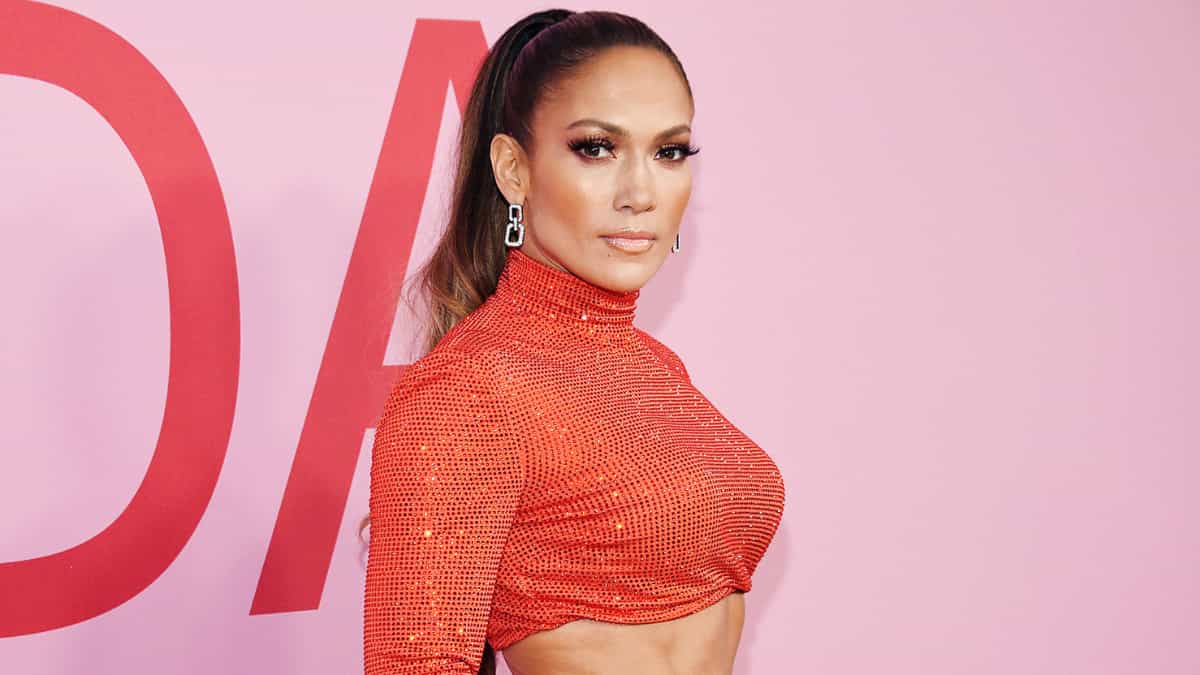
Jennifer Lopez's Unstoppable is the latest casualty of writers strike.
The ongoing writers strike has caused another major disruption in the film industry, with the latest casualty being the Jennifer Lopez-starrer Unstoppable. The film, produced by Ben Affleck and Matt Damon's Artists Equity, was in the midst of filming in Los Angeles when it was hit by picketing strikers, leading to an indefinite shutdown. The exact timeline for resuming production remains uncertain. This development comes on the heels of Aziz Ansari's Lionsgate feature Good Fortune, which faced similar picketing two weeks ago and also had to halt production indefinitely. It is hopeful to resume filming once the strike is resolved. Additionally, Marvel Studios has made the decision to delay production on Blade and Thunderbolts until after the strike, as Marvel scripts often undergo changes during filming.
The impact of the Writers Strike continues to be felt across the industry, causing significant disruptions and uncertainty for various film projects.
What is Unstoppable about?
Unstoppable, marks their second feature following the 1980s-set film Air, which revolved around Nike's pursuit of signing a young Michael Jordan for an endorsement deal.
In the film Jharrel Jerome joins Jennifer Lopez in the cast, portraying the real-life wrestler Anthony Robles. Robles, who was born with one leg, defied the odds to become an NCAA champion. Notably, the film also sees the esteemed editor Billy Goldenberg, an Oscar winner for his work on Ben Affleck's Argo, making his directorial debut.
What is the WGA strike about?
The strike is a result of the content boom thanks, mainly, to the proliferation of streaming services. With Netflix and Amazon Prime VIdeo and other streamers emerging as key players, the space is suddenly crowded, with every major studio jumping on the bandwagon. The wealth of content has led to an increase in the number of series and films that are annually made, leading to more job opportunities for writers. However, this has come at a cost, with writers claiming they are making less than they used to, while working under more strained conditions. As such, the WGA is seeking more compensation for writers upfront, since many of the payments writers have historically profited from on the back end, like syndication and international licensing, have been largely phased out by the onset of streaming.