Bombay HC rejects plea to ban Pakistani artists from working in India

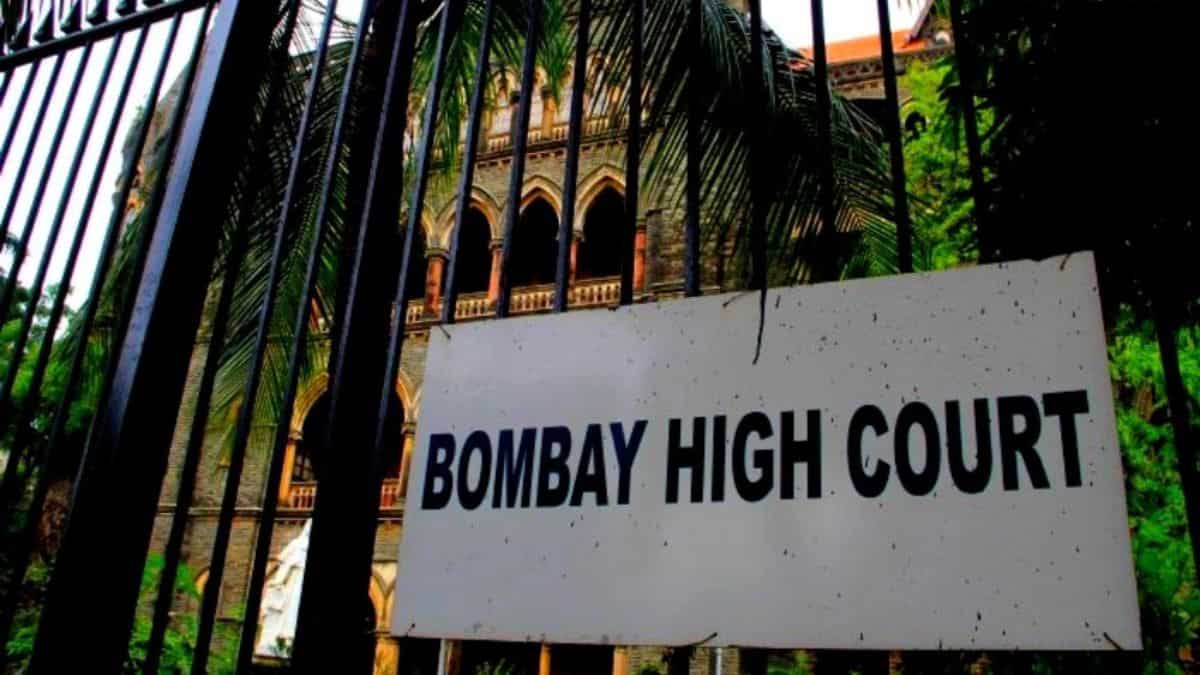
Representative image of Bombay High Court.
The Bombay High Court, in a landmark decision, has dismissed a petition seeking a comprehensive ban on Indian citizens, companies, and associations from engaging Pakistani artists, including actors, singers, musicians, lyricists, and technicians.
A division bench of Justice Sunil B Shukre and Justice Firdosh P Pooniwalla firmly stated that the petition represents a "retrograde step in promoting cultural harmony, unity, and peace, and has no merit in it."
The petitioner, a cine worker, had sought directions from the Information and Broadcasting Ministry, the Ministry of External Affairs, and the Ministry of Home Affairs to issue appropriate notifications imposing a ban and prohibiting the granting of visas to Pakistani artists working in India.
The plea cited the resolution passed by the All-Indian Cine Workers Association (AICWA) in the aftermath of the Pulwama terror attacks, along with similar resolutions by the Indian Motion Pictures Producers Association (IMPPA) and the Federation of Western Indian Cine Employees (FWICE), which banned Pakistani artists from the Indian film industry. The MNS Cinema Wing also cautioned filmmakers against hiring Pakistani artists.
Advocate Vibhav Krishna, representing the petitioner, argued that allowing Pakistani artists to work in India could lead to discrimination against Indian artists. He contended that the favourable environment available to Pakistani artists in India is not reciprocated for Indian artists in Pakistan. According to Krishna, the ban is essential to prevent the exploitation of commercial opportunities by Pakistani artists in India, which could potentially deprive Indian artists of similar opportunities.
However, the Bombay High Court deemed the petitioner's stance misplaced, emphasising the importance of cultural harmony and peace between nations. The court underlined that patriotism should not breed hostility but, rather, should foster unity and cultural exchanges.
The court further pointed out that the resolutions passed by private associations, although expressing a sentiment, lacked statutory force and could not be enforced through judicial orders. The judges asserted that enforcing such bans would contravene the fundamental rights guaranteed under Articles 19(1)(a), 19(1)(g), and 21 of the Constitution.
Additionally, the court highlighted the "positive steps" taken by the Indian government in promoting international peace and security. It cited the example of allowing the Pakistani cricket team to participate in the World Cricket Cup held in India, asserting that entertaining such petitions would undermine such efforts.
WATCH WION LIVE HERE
You can now write for wionews.com and be a part of the community. Share your stories and opinions with us here.