&imwidth=800&imheight=600&format=webp&quality=medium "India’s virtual warships: How indigenous simulators are cutting the cost of training at sea")
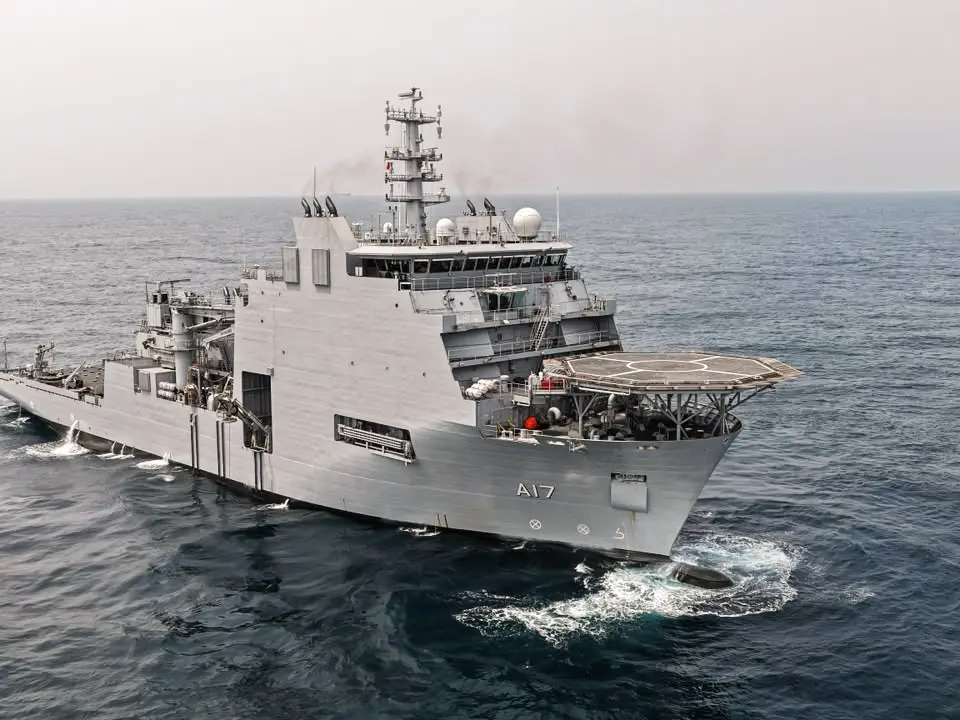
Putting warships, submarines and aircraft to sea for training consumes fuel, requires large crews and uses valuable operational hours. More importantly, some of the most dangerous scenarios, from submarine attacks to incoming missiles, cannot simply be recreated repeatedly with real assets. That is where an expanding Indian simulation ecosystem is beginning to play a larger role.
Zen Technologies has naval and maritime simulators in India that can recreate everything from navigating a warship bridge to submarine warfare and complex multi-ship tactical operations. I had the chance to visit the facility in New Delhi and the experience was immersive and comprehensive, to say the least.
A ship-handling simulator, for instance, can reproduce navigation equipment, radar, communications, changing weather, sea conditions and even different propulsion configurations. Crews can repeatedly practise emergencies and difficult manoeuvres without taking an actual vessel to sea.

Simulators become increasingly effective even from a cost perspective as the savings can be significant. Instead of assembling multiple ships at sea to rehearse a particular contingency, the scenario can be recreated virtually. This reduces training expenditure while allowing crews to repeat situations until responses become instinctive. The technology becomes even more significant when training shifts from navigation to combat.
The Action Speed Tactical Trainer, or ASTT, can simulate a naval battlespace involving submarines, warships and other assets. Radar, sonar and other sensor information can be recreated while opposing teams fight simulated engagements, allowing commanders to test tactics and decision-making without deploying actual platforms.
The wider portfolio extends across anti-submarine warfare, anti-air warfare, electronic warfare, mine and amphibious operations, submarine navigation and deep-submergence rescue training.
There is also an important indigenous technology dimension. Building such systems in India means training environments can be customised around India's platforms, geography and requirements, including maps, threats and drone profiles according to the user's training requirements.
Zen says its naval and marine simulation footprint includes more than 1,500 operational systems across over 60 countries. As naval platforms become more sophisticated and more expensive to operate, the economics of training are changing too.The next naval battle may still be fought at sea, but sailors could fight it hundreds of times virtually before their warship leaves harbour.