Building weapons at software speed, Armory founder Amardeep Singh on India’s counter-drone race

&imwidth=600&imheight=450&format=webp&quality=medium "Building weapons at software speed, Armory founder Amardeep Singh on India’s counter-drone race")
Software allows capabilities to be upgraded even after hardware has been delivered
As drones rapidly evolve from surveillance platforms into battlefield weapons, counter-drone systems are being forced into a continuous cycle of adaptation. Stopping a drone is harder than building one.
Modern drone warfare has created a development challenge for defence companies. A drone can change its frequencies, navigation, communications or software within weeks. This potentially forces a counter-drone system to evolve just as quickly.
Amardeep Singh, founder of Gurugram-based defence technology company Armory, believes military hardware increasingly needs to become software-defined. “Everything is now software-defined hardware,” Singh shares on WION Defence Pulse, arguing that software allows capabilities to be upgraded even after hardware has been delivered. Singh, an IIT Bombay alumnus who previously worked at drone manufacturer ideaForge, is now developing indigenous counter-drone technology.
From a sketch to Army trials in six months
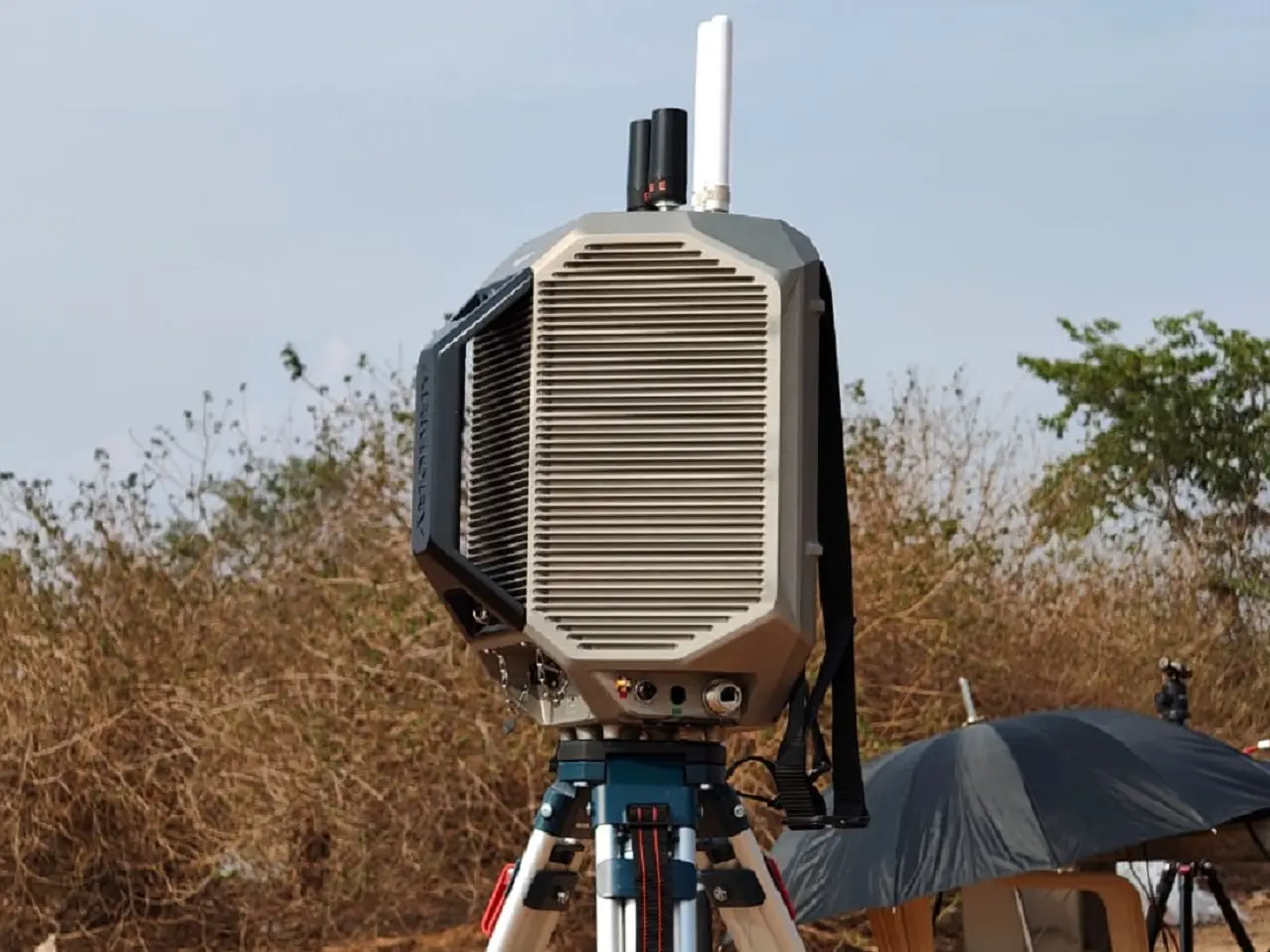
Armory's experience with its man-portable counter-drone system Surge demonstrates the development model Singh advocates. According to Singh, the approximately 15-kg system can detect drones from five kilometres and jam them from three kilometres. He said the company moved from its initial concept to trials with the Indian Army within six months.
Instead of spending an extended period developing the system primarily through simulation, Singh said Armory moved into field testing quickly, worked closely with the customer and repeatedly modified the system based on feedback. Within another 12 months, he said, the company secured multiple Ministry of Defence orders. Singh stressed that faster development cannot mean reducing the testing standards required for equipment deployed by the armed forces.
Industry must keep pace with the battlefield
Interestingly, Singh does not believe India's defence procurement system is necessarily the biggest obstacle. He pointed to mechanisms including the Fast Track Procedure and emergency procurement, arguing that the armed forces now have routes to acquire urgent capabilities more quickly.
Having worked on both drones and counter-drone technology, Singh also sees a growing imbalance between the two. As drones rapidly evolve from surveillance platforms into battlefield weapons, counter-drone systems are being forced into a continuous cycle of adaptation. For now, Singh's assessment is clear. Stopping a drone is harder than building one.

