China's Miao Wei: No significant cut in 'New Energy Vehicle' subsidies in 2020

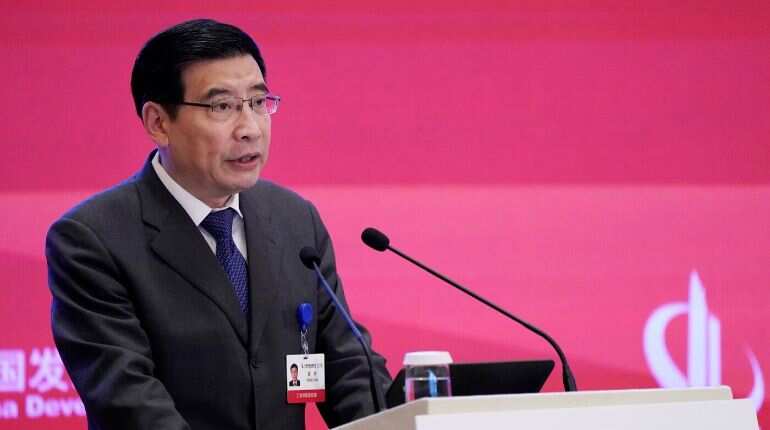
Chinawill not makesignificantcuts tosubsidiesfornewenergyvehicles (NEV) this year, signalling that its policy will remain relatively stable, state media quoted the country's industry ministry as saying on Saturday.
Earlier, Miao Wei, China's minister for industry and information technology (MIIT), told a forum that the country would not cut subsidies for new energy vehicles (NEV) again in July, an approach which was cheered by vehicle makers.
The government-backed BeijingNews said an MIIT representative, in response to Miao's statement, said that "this year's NEV subsidy policy will remain relatively stable and there will not besignificantcuts".
Beijing has been slowly rolling back a generous 5-year subsidy programme for NEVs, which began in 2016, saying it plans to phase outsubsidiesafter2020, amid criticism that some firms have become overly reliant on the funds.
China's monthly NEV sales dropped for the first time in two years in July as the subsidycuts reached anewlevel, and have continued falling since.
"There was a subsidycuton July 1 last year and everyone has been concerned about whether we will see morecuts this year," Miao told the EV100 annual gathering of senior auto industry executives in Beijing.
"Today I can tell everyone, we will notcutit in July this year."
Miao's speech was the "bestnews", He Xiaopeng, chief executive of EV startup XPeng Motors, told reporters, adding that policy stability was crucial to the industry.
Miao also said NEV sales hit 163,000 units in December and full-year sales stood at 1.2 million NEVs, a drop from 1.3 million in 2018.
TheChinaAssociation of Automobile Manufacturers will announce 2019 full-year sales figures on Monday. Last month, it said that NEV sales from January to November hit 1.04 million.
Automakers who stand to benefit include Tesla, which started making deliveries from its $2-billion Shanghai plant this month and secured NEVsubsidiesin December, Warren Buffett-backed Chinese electric car maker BYD as well as aspiring Tesla-challenger Nio Inc.