Zimbabwe allows hunting endangered elephants to raise tourism money in pandemic

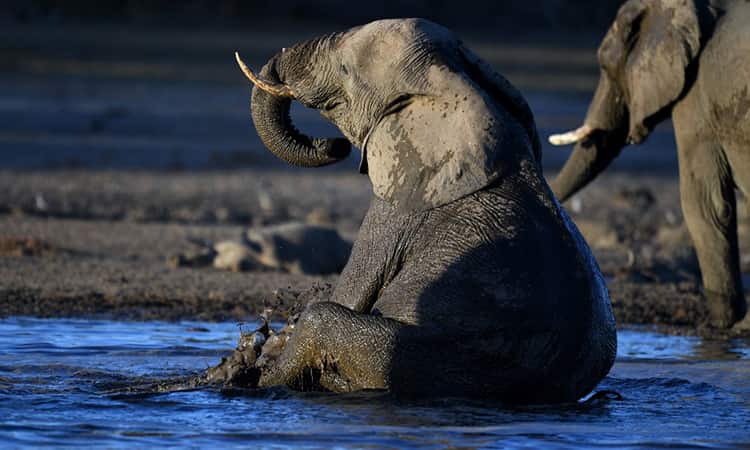
Elephants in Namibia
Mass killings are about to unfold in the forests of Zimbabwe as the most empathetic species on earth is under threat.
More than 500 elephants will be put on sale in the days to come and they will be used for trophy hunting, with each elephant priced at $10,000 dollars. This appalling decision has been taken despite two elephant species in Africa being declared critically endangered.
As world leaders make tall promises of protecting the climate, this is something they must pay attention to and understand the role these mammals play in maintaining the balance of forest ecosystems.
Elephants are the most empathetic mammals on Earth as they maintain the balance of fragile ecosystems but for decades elephants have been the most poached species in the world.
The horror of what is about to happen to them in Zimbabwe calls for global action as Zimbabwe is about to start selling rights to shoot 500 elephants this year where they would be priced at around $10,000 each.
This abominable decision has been taken even though the African forest elephant was declared critically endangered a few weeks back.
Zimbabwe is taking this drastic step because the pandemic has hit the country's economy hard and the entire tourism which generates most of the national revenue has collapsed.
The country's parks and wildlife management authority has said in its defence, 'we eat what we kill. We have a bad need for money and we are not supported by the central government.'
The Animal Rights Organisations say they don't understand the consequences and according to one of the advocacy firms, these surviving mammals who witness the gunning down of their family members could mete out vengeance on helpless local villagers.
This is a reality that has played out time and again across Africa. Thus, Zimbabwe is not the only country indulging in trophy hunting.
In December 2020, Namibia put 170 high-value elephants up for sale and they defended their move by citing an explosion in the elephant population. They claim that the money from this hunting spree is also used to fund conservation efforts but activists say the practice is motivated by greed and the money is never accounted for.
Now they are calling for more traditional measures such as photo safaris, but whether it will amuse the human beings or not is still a question.