Women's Day 2024: The woman breaking the glass ceiling in post-apartheid South Africa

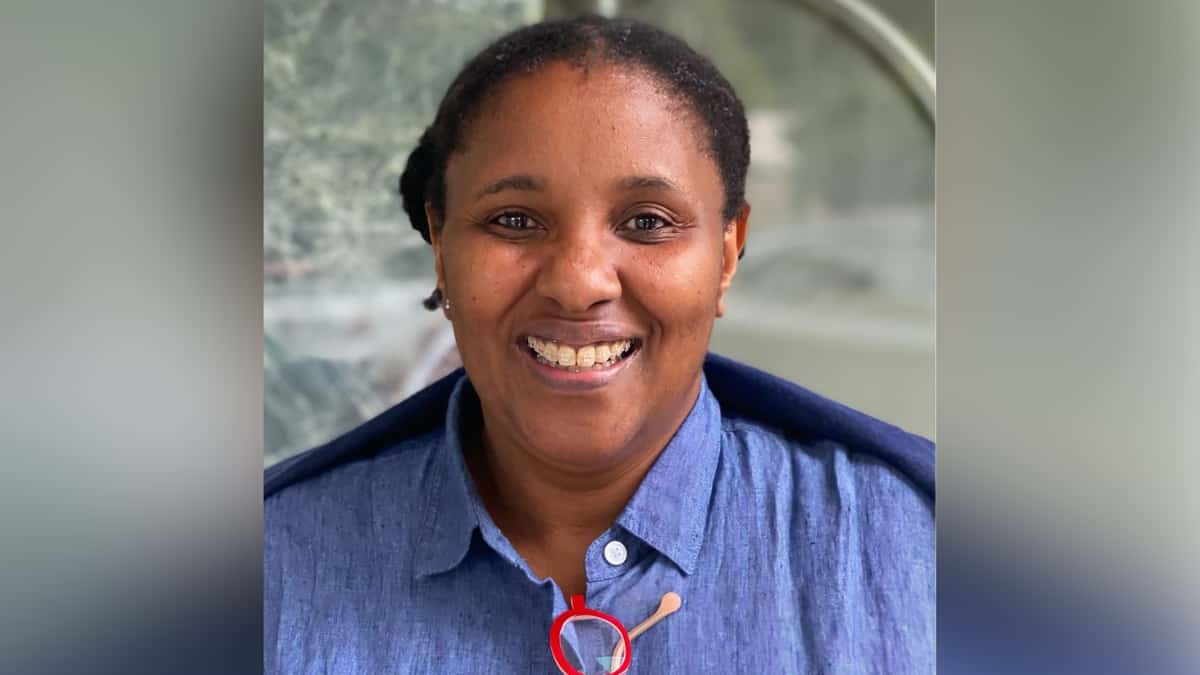
International Women's Day 2024: Neliswa Nkani, Hub Head, South African Tourism
International Women's Day 2024: For South African women, April of 2024 will mark 30 years since apartheid was abolished. In a system of legalised racial segregation in which all races except Whites were partly or completely denied their political and civil rights, South African women of colour were "deprived of their human rights as individuals", scholar Judith Nolde noted in October 1991.
In April 1994, South Africa held its first free and fair elections when anyone over 18 years old could vote regardless of race. Nelson Mandela's African National Congress was elected to power with over 62 per cent vote share.
"We have, at last, achieved our political emancipation," Nelson Mandela announced during his inaugural speech on May 10, 1994, in Pretoria, culminating one of the most remarkable journeys in the history of modern nations.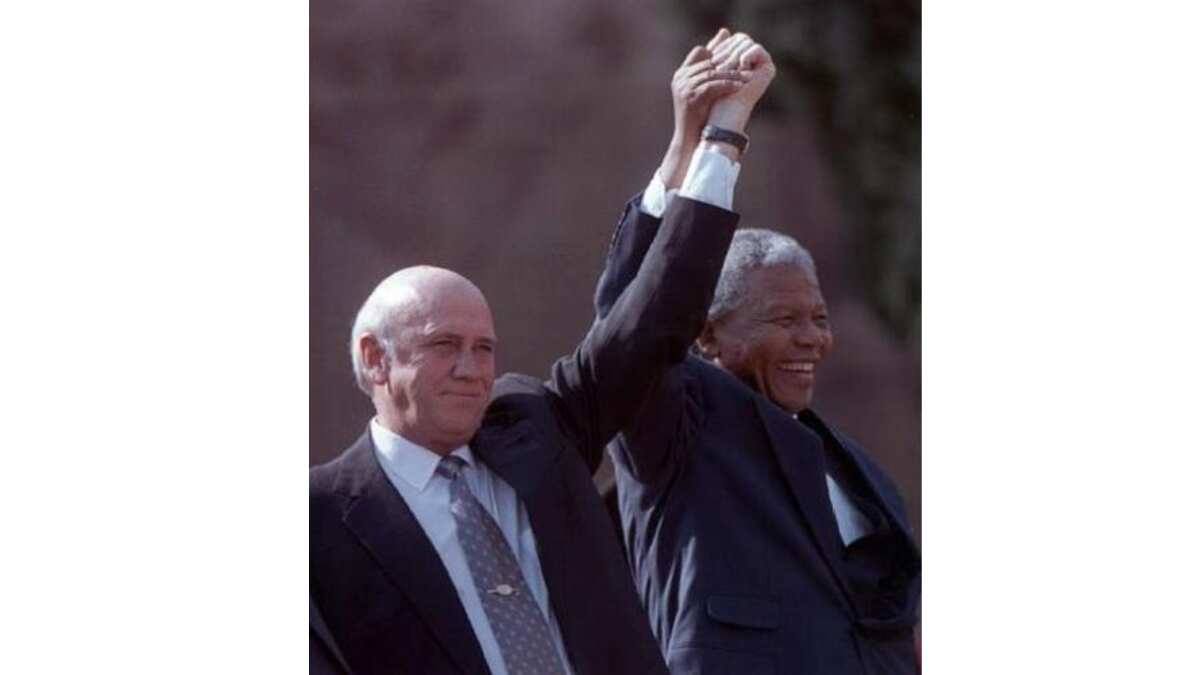
South Africa's President Nelson Mandela (right) with Deputy President and his reformist predecessor F.W. de Klerk in Pretoria on May 10, 1994 | Reuters
"We pledge ourselves to liberate all our people from the continuing bondage of poverty, deprivation, suffering, gender and other discrimination," the 1993 Nobel Peace Laureate said.
But while Mandela's inaugural speech came to symbolise the watershed moment for gender parity in post-apartheid South Africa, it took many more years for real change on the ground.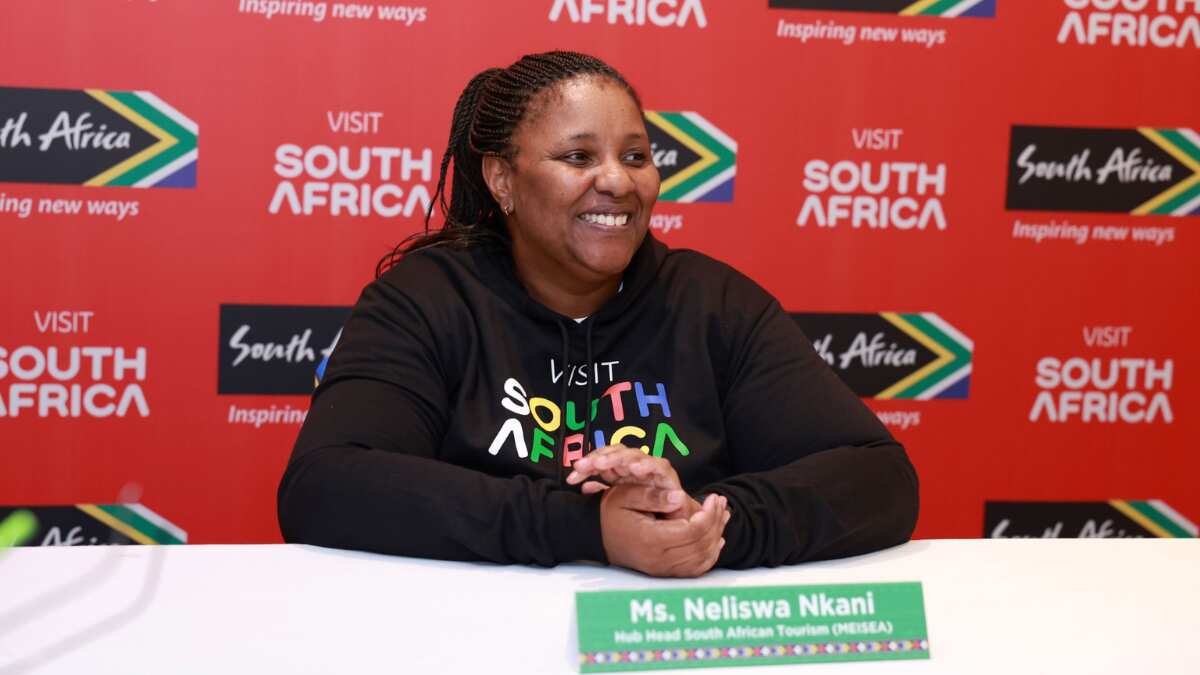
Neliswa Nkani, Hub Head, Middle East, India and South East Asia, South African Tourism
As a woman of colour, navigating through the era of apartheid and its aftermath, Neliswa Nkani encountered the need to exert twice the effort to affirm her worth, abilities and capabilities.
"It's crucial to acknowledge that the industry in South Africa underwent transformation only after 2000," Nkani, South African Tourism's Hub Head for Middle East, India and South East Asia, told WION.
In 2002, she became one of the first black professionals to be assigned outside South Africa, defying the expectations of an industry that doubted the competence of women of colour.
Also watch |Gravitas | International Women's Day: Pay gap, gender bias continue to haunt | WION
"Being a woman presents its challenges and being a woman of colour who is strong, educated and vocal compounds those challenges," Nkani added.
Asked for one piece of advice for young girls who are trying to break the glass ceiling while pursuing their dreams or are simply working hard to provide for their families, Nkani said: "My advice to young girls would be that if you give to life, it will reciprocate and give back to you. Similarly, if you take from life, it will too withdraw from you. Strive to be the best version of yourself in everything you do."