Why Pfizer’s ultra-cold COVID-19 vaccine will not be at the local pharmacy any time soon

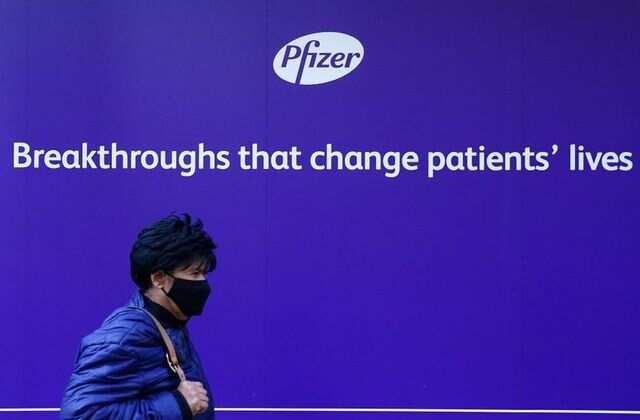
Pfizer vaccine
The experimental COVID-19 vaccine developed by Pfizer Incand BioNTech SEmay not be coming to local pharmacies for the general public any time soon.
The vaccine's complex and super-cold storage requirements are an obstacle for even the most sophisticated hospitals in the United States and may impact when and where it is available in rural areas or poor countries where resources are tight.
The data, which sent US stocks to record highs, showed that the two companies' experimental vaccine is 90% effective at preventing COVID-19. Pfizer and BioNTech need to get regulators to sign off on the shot before it can start shipping vaccines to those considered most in need by government. Healthcare workers and people living in nursing homes will likely top that list.
But the main issue is that the vaccine, which is based on a novel technology that uses synthetic mRNA to activate the immune system against the virus, needs to be kept at minus 70 degrees Celsius (-94 F) or below.
To this end, one of the most prestigious US hospitals, the Mayo Clinic in Rochester, Minnesota, said it does not currently have that capability.
Pfizer is working closely with the US government and state officials on how to ship the vaccine from its distribution centres in the United States, Germany and Belgium around the globe. The detailed plan includes using dry ice to transport frozen vaccine vials by both air and land at their recommended temperatures for up to 10 days.
They can be kept in an ultra-low temperature freezer for up to six months, or for five days at 2-8 degrees C – a type of refrigeration commonly available at hospitals. The Pfizer storage units can also be refilled with ice for up to 15 days.
But shots will spoil in around five days at normal refrigeration temperatures of slightly above freezing. The companies are analyzing if they can extend that for two weeks.
Other vaccines including ones from Johnson & Johnsonand Novavax Inccan be stored at 2-8 degrees C, the temperature of a regular refrigerator.
The cold storage requirements could impede Pfizer’s ability to reach rural healthcare systems and nursing homes, or less wealthy nations, which may not have the funds for the refrigeration units, experts said.
Without the extra equipment, doctors will have a dilemma: store vaccines in standard refrigerators and deploy all 975 doses in each Pfizer vaccine container in less than five days or restock them with dry ice and open them only twice a day to extend the vaccines’ life span.
(with inputs)