Why Aung San Suu Kyi is silent on the Rohingyas

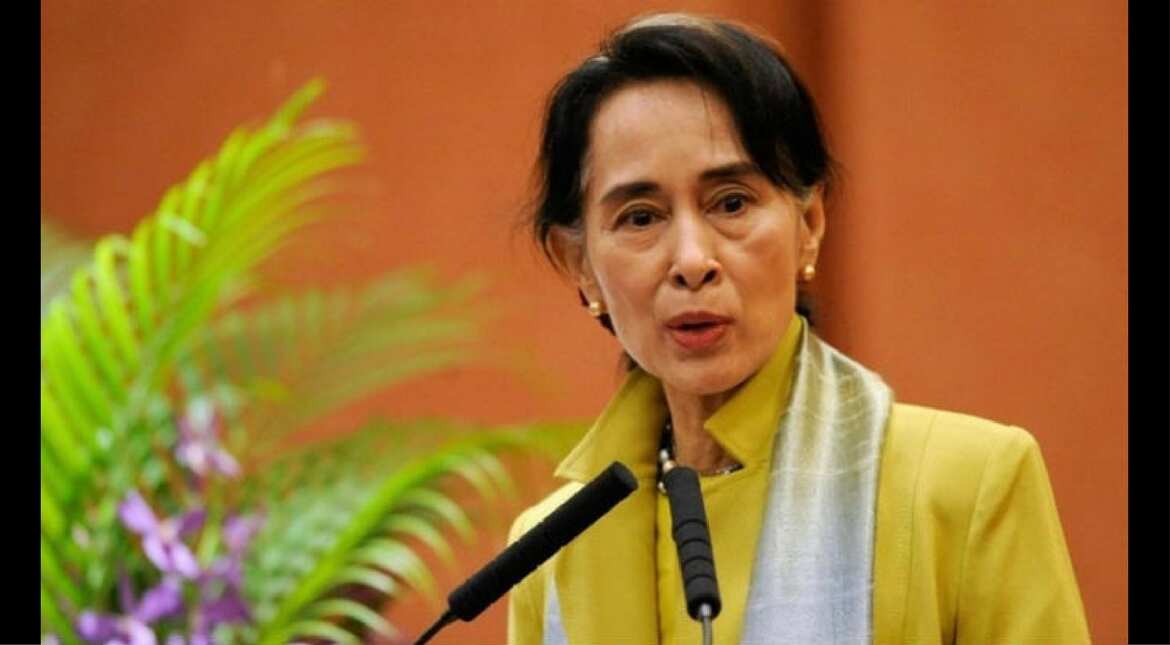
Aung San Suu Kyi
Suu Kyi is a prisoner of the compromises she has to make as a politician if she is to survive.?
As the Rohingya crisis burns through Rakhine state, it's interesting to note that in September 2014, the government granted citizenship to 209 Muslims, who included members of the Kaman minority (Muslims saw as native to the country) and the Rohingya. The process of giving them citizenship marked the culmination of a project aimed at determining the identity of a little over one million Rohingya whose claims to nationality had been rejected in the past.
Each of the green cards bore an identification number, the name of the holder, gender, date of birth, marital status and other details in Burmese and English.
Even more interesting, this was done when Myanmar was under Thein Sein, an ex-general who ran a nominally civilian government. In fact, the very next year, "green cards" were issued to Rohingya Muslims in 13 townships in Rakhine state. Immigration officials said the cards were intended to help those who wanted to apply for citizenship. Each of the green cards bore an identification number, the name of the holder, gender, date of birth, marital status and other details in Burmese and English.
Around 700,000 of these cards were distributed to those who held "white cards", which were temporary identification cards. The white cards had been issued by the former military junta for the 2010 elections (which saw Thein Sein's nominally civilian government come to power). An army-backed party won seats in areas where a sizeable number of white card holders were living.
So, despite the past history of violence, there was a sense within the government that Myanmar needed to be fair to the Rohingya (although they still referred to them as Bengali Muslims, meaning they were illegal Bangladeshi immigrants).
While the tensions between the majority Buddhists in Rakhine state and the minority Rohingya are of long-standing, the question is whether the spike in violence against the Rohingya and their massive exodus to Bangladesh can be traced to the new climate of freedom.
A former Indian ambassador to Myanmar suspects there could be elements of the military involved in stoking violence against the Rohingya to destabilise the civilian government and smear Aung San Suu Kyi personally.
A former Indian ambassador to Myanmar suspects there could be elements of the military involved in stoking violence against the Rohingya to destabilise the civilian government and smear Aung San Suu Kyi personally. There's no doubt her government has moved slowly to address the status of the Rohingya, who were not allowed to vote in the 2016 election.
A peace conference in August last year to which all the ethnic groups were invited, saw no Rohingya presence. To her credit, Suu Kyi did set up the Kofi Annan panel to review tensions in Rakhine state and offer recommendations. Word is she told them to "be bold". The panel has made its recommendations, the doubts are about implementation.
Is the Rohingya a high priority for the government as it figures out how to keep the military in good humour and tackle multiple insurgencies. A ceasefire agreement signed in October 2015 had only some of the ethnic insurgents on board, the United Wa State Army and the Kachin Independence Army remain on the warpath. Add to that the Arakan Rohingya Salvation Army which is reported to have joined hands with the two groups already mentioned to attack the army.
Suu Kyi's intentions may be good but she is a prisoner of the compromises she has to make as a politician if she is to survive.
Any move by Suu Kyi to give justice to the Rohingya will also need to take into account the fact that there is little sympathy for that community among the public. Suu Kyi's intentions may be good but she is a prisoner of the compromises she has to make as a politician if she is to survive.