What is Female Genital Mutilation, regressive practice that killed young girls in Sierra Leone?

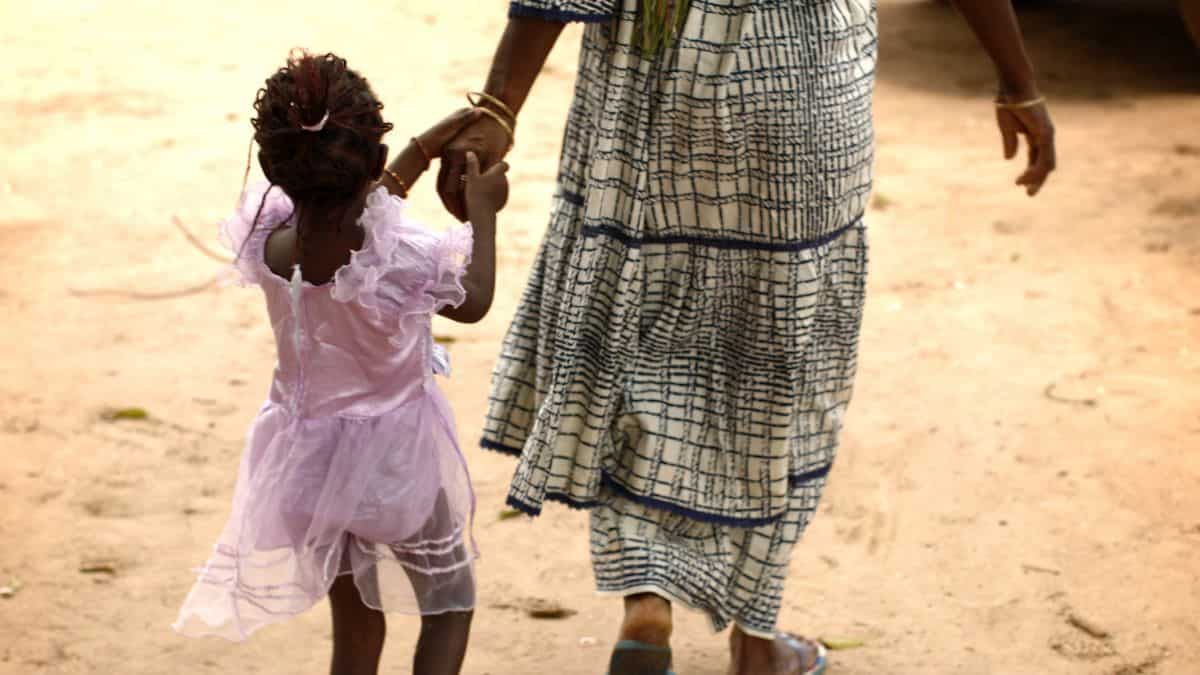
Female Genital Mutilation
Trigger warning: Some readers may find the story disturbing. Discretion is advised.
In a shocking development, three teenage girls lost their lives whilst they were undergoing female genital mutilation (FGM) in Sierra Leone.
According to the reports, police have launched an inquiry into the incident.
Adamsay Sesay aged 12, Salamatu Jalloh aged 13 and Kadiatu Bangura aged 17, lost their lives at the time of the initiation ceremonies in the country’s North West province in January, said the local media reports.
The executive secretary of the Forum Against Harmful Practices (FAHP), an organisation that aims to end FGM in Sierra Leone, Aminata Koroma, as per the Guardian, said that the parents of the deceased and the ones who put them through this process were arrested and are currently in police custody.
What is FGM?
Female genital mutilation (FGM) includes all the procedures that involve partial or total removal of the external female genitalia, or other parts ofthe female genital organs for non-medical reasons.
According to the World Health Organisation, the practice has absolutely no health benefits and rather causes severe bleeding, problems while urinating, cysts, infections, as well as complications in childbirth and increased risk of newborn deaths.
This practice, which is mostly carried out on young girls between infancy and age 15, is internationally considered a violation of the human rights of girls and women.
In the year 2012, the United Nations passed a resolution imposing a ban on it. However, it is still practised in nearly 30 countries.
Though UNICEF is yet to share the latest figures on the global prevalence of FGM next month, as percurrent estimates, at least 200 million women and girls have undergone this practice.
FGM still remains legal in Sierra Leone despite calls from human rights advocates and activists.
This procedure, which is considered a traditional initiation ritual marking a girl's entry into womanhood, is carried out by senior members of the all-women Bondo secret societies, known as 'soweis'.
The executive secretary of the Forum Against Harmful Practices (FAHP), Koroma, said that the organisation was pressing for a law that would criminalise FGM.
“The results have been very encouraging,” said Koroma.
“There are many positive aspects of the Bondo societies,” she was quoted as saying by the Guardian.
“They teach girls about the medicinal properties of plants and pass down the history of our culture. Our slogan is, ‘Say yes to Bondo, no to cutting'",Koroma added.
(With inputs from agencies)