Warming rivers threaten nuclear plants and already tight power supply

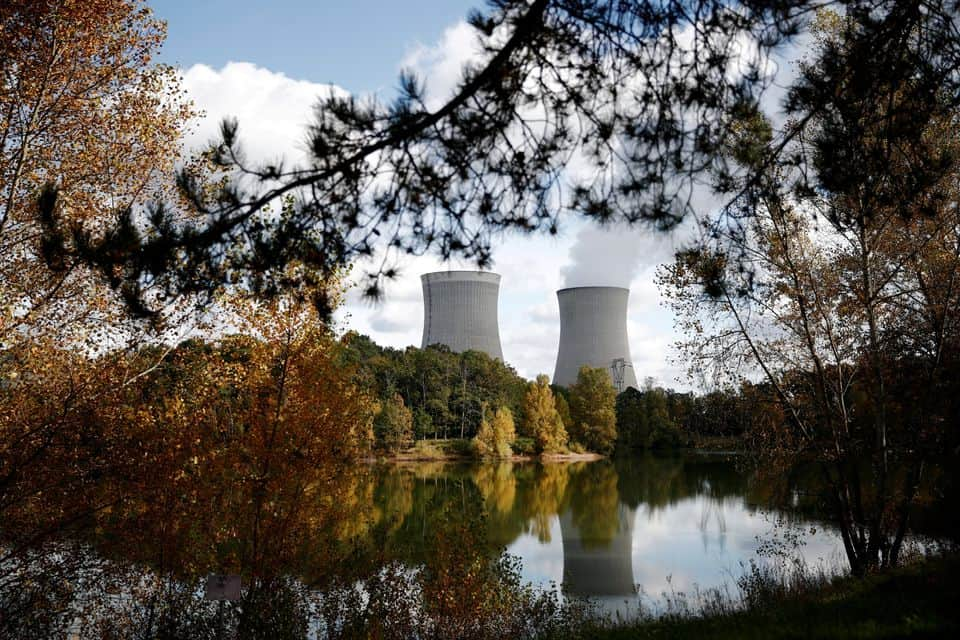
nuclear power plant
The information gathered over the past six decades demonstrates that nuclear power is a secure way to produce electricity. Nuclear power facilities have a low and decreasing accident risk. Water is used by nuclear power facilities to keep themselves cool.
Water is used for cooling in the most popular nuclear power plants in two different ways: first, to transfer heat from the reactor core to the steam turbines, and second, to remove and discard extra heat from this steam circuit.
High water temperatures put additional strain on operators at a time when half of their reactors are offline owing to maintenance and corrosion difficulties, threatening to lower several countries' already abnormally low nuclear output.
Temperatures in the valley between the Rhone and Garrone rivers have soared in recent days and are predicted to reach approximately 40 degrees Celsius on Friday and stay above seasonal averages until the start of next week.
River water is frequently used to cool reactors before being returned at a higher temperature, which is an issue. In order to prevent hot water entering rivers again from harming wildlife, reactor output is restricted during periods of extreme heat.
In the newest illustration of the far-reaching impacts of the current heatwave in Europe, a nuclear power plant in Switzerland is reducing its production to avoid the river that cools it reaching temperatures deadly to marine life.
The Rhône's water has become too hot for the job amid a slow-burning heat wave that has killed hundreds and caused severe wildfires throughout Western Europe. Add to this, the already low water levels brought on by the drought. Reactors can no longer be cooled without releasing water downstream that is so hot that it kills aquatic life.
Nuclear power is typically seen as the least perturbable of all the low-carbon energy sources that would likely be required to combat climate change. When the weather is unfavourable for other carbon-free energy sources like wind and solar, it is the backup that is called in. However, there are specific climatic concerns specific to the nuclear sector.
Hotter rivers have an impact on many other industries, including large factories and coal- and gas-powered power plants. However, nuclear power plants are exceptional due to their enormous size and crucial role in maintaining operational energy grids in countries like France. In addition, they confront other effects of climate change besides warming and shrinking rivers. Rising sea levels and more frequent and strong storms increase the risk of flooding along the beaches. Other, uncommon issues have also been mentioned by scientists, such as increased algal bloom frequency and skyrocketing jellyfish numbers, which can choke water pipelines.
(With inputs from agencies)
WATCH WION LIVE HERE
You can now write for wionews.com and be a part of the community. Share your stories and opinions with us here.