US: Florida sees surge in leprosy, health agency raises alarm on 'locally acquired' cases

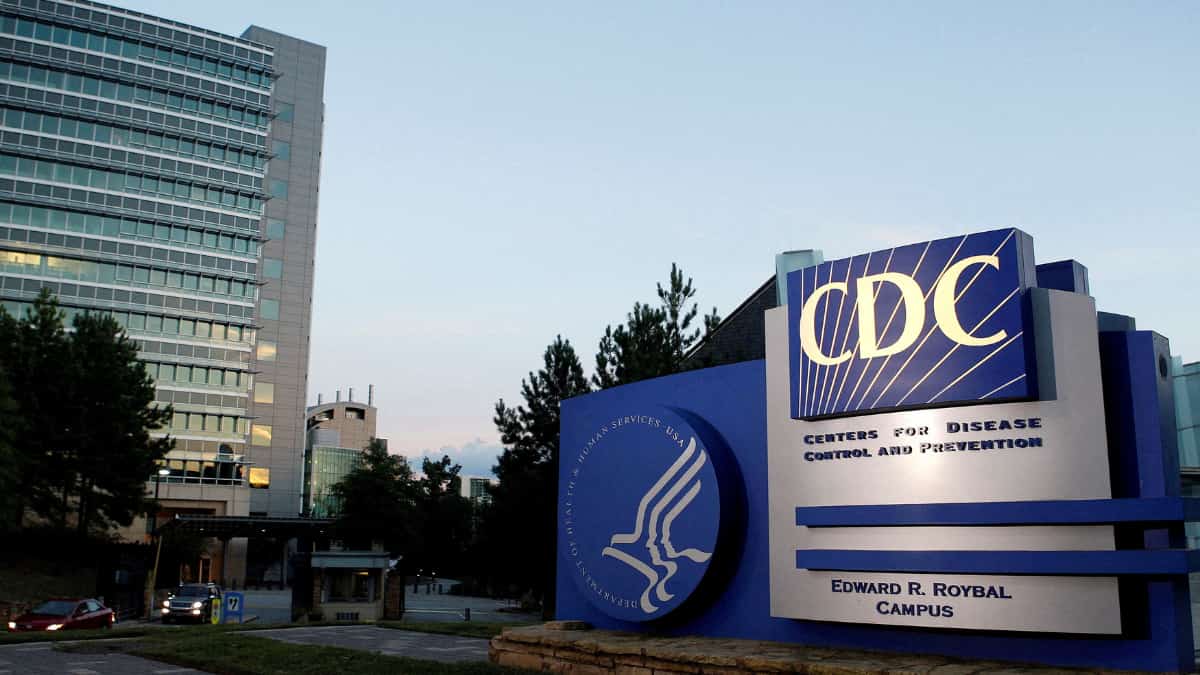
US Centers for Disease Control and Prevention (CDC) flagged the surging cases of Leprosy in the Florida state. The development came as a new reports suggested that Florida's central area may have become an "endemic location" for the infectious disease.
Florida Leprosy surge: How many cases?
As many as 159 new cases of Leprosy were detected in the United States in 2020, overlapping with the time when Covid became a pandemic and wreaked havoc in and beyond the United States. Florida reportedly topped the chart as state with most Leprosy cases. Nearly a fifth of all Leprosy cases in Florida were reported in the state's central region.
Elsewhere, in the south-eastern side of the United States, the number of Leprosy cases have more than doubled over the last decade, according to the CDC.
Also watch |World Of Africa: Leprosy patients find a new haven
"Whereas Leprosy in the United States previously affected persons who had immigrated from Leprosy-endemic areas, [about] 34 per centof new case patients during 2015–20 appeared to have locally acquired the disease," the CDC said.
Leprosy an 'endemic' in south-eastern United States
The US CDC said that the data adds up to the "mounting epidemiological evidence supporting Leprosy as an endemic in the south-eastern United States".
Overall, the number of reported Leprosy cases fell in the United States between 2019 and 2020.
The increase in central Florida, however, emerges as the latest cause for concern.
"Travel to this area, even in the absence of other risk factors, should prompt consideration of Leprosy in the appropriate clinical context," the CDC said.
How dangerous is Leprosy?
Leprosy can lead to serious disabilities, including nervous damage, if not treated in time. It spreads through moisture droplets passed through the breathable air. Armadillos are known to be the carriers of the disease.
The CDC cited the case of a 54-year-old man from central Florida. The man had not traveled domestically or internationally, had not had "prolonged contact with immigrants from Leprosy-endemic countries", and had denied exposure to armadillos, which are known to carry the disease.
"The absence of traditional risk factors in many recent cases of Leprosy in Florida, coupled with the high proportion of residents, like our patient, who spend a great deal of time outdoors, supports the investigation into environmental reservoirs as a potential source of transmission," the CDC said.
WATCH WION LIVE HERE
You can now write for wionews.com and be a part of the community. Share your stories and opinions with us here.