US government shutdown 2025: Federal judge blocks Donald Trump's effort to lay off federal workers

&imwidth=600&imheight=450&format=webp&quality=medium "US government shutdown 2025: Federal judge blocks Donald Trump's effort to lay off federal workers")
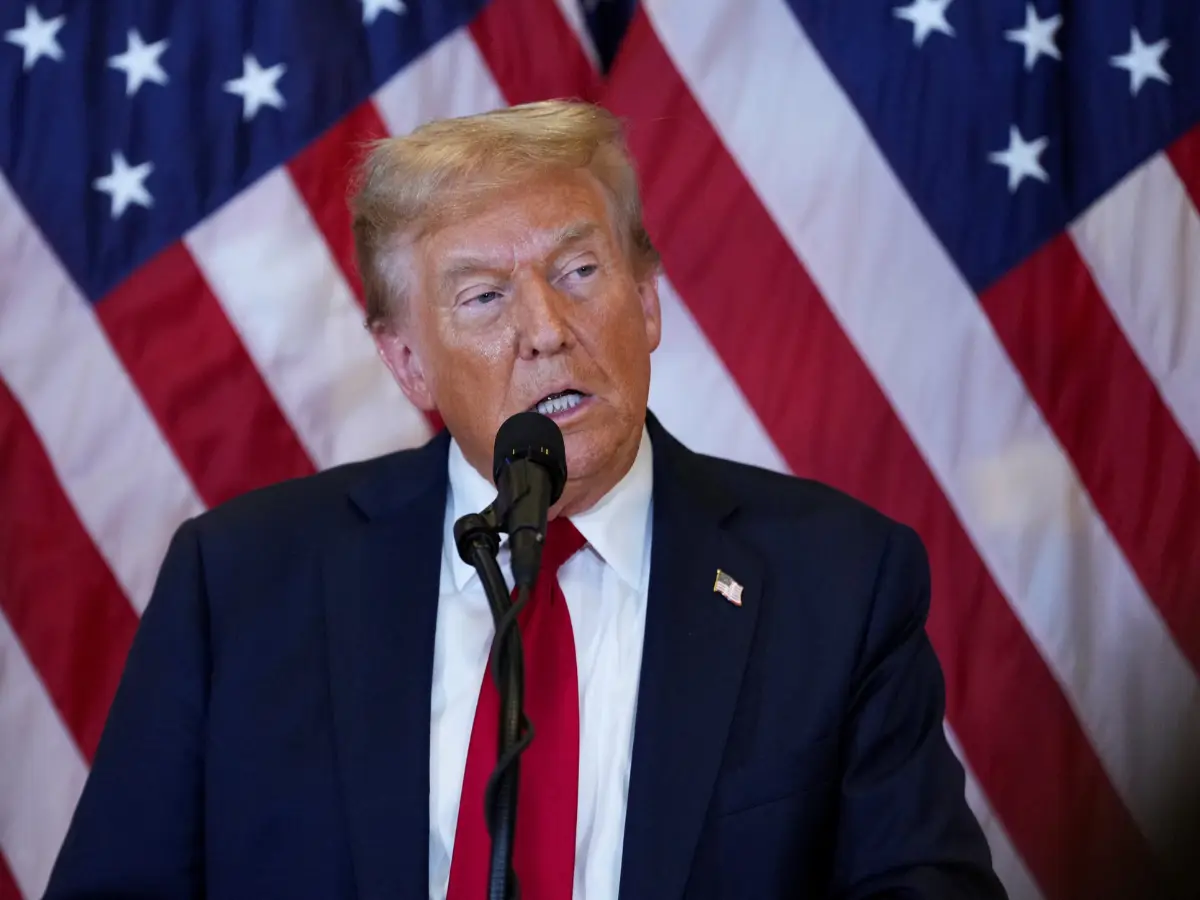
US President Donald Trump Photograph: (AFP)
A US judge has blocked Trump admin from firing federal employees during the shutdown, saying mass layoffs may be illegal and politically motivated
A federal judge in San Francisco has temporarily stopped the Trump administration from carrying out widespread layoffs of federal workers during the ongoing government shutdown. Judge Susan Illston granted an indefinite injunction, preventing job cuts while a legal challenge plays out. Previously, she had issued a short-term restraining order, but this ruling extends it. Illston, who was nominated by former President Bill Clinton, said she believes the layoffs were likely unlawful and exceeded the administration’s authority.
Labour unions, including the American Federation of Government Employees, filed the lawsuit, arguing that the layoffs were politically motivated and intended to undermine federal workers and pressure Congress. Attorneys representing the government contend that the court lacks jurisdiction over such personnel matters. However, during a hearing on October 15, Illston criticised the mass layoffs, noting that the notices—sent to some workers who were furloughed and unable to check their emails—appeared to be poorly executed and politically charged. At least 4,100 layoff notifications have been distributed, some requiring workers to return to duty without pay.
This shutdown, already the second-longest in US history, has put immense pressure on government employees and triggered political disputes over funding priorities. Democratic lawmakers are demanding the reinstatement of health care subsidies and the reversal of Medicaid cuts, which were part of the summer's tax reform. However, Republican Speaker Mike Johnson has refused to negotiate with Democrats unless they first agree to reopen the government. Amid these tensions, the Trump administration has moved to reduce federal staffing in areas such as education and health services, claiming these sectors are politically aligned with Democratic interests. Furthermore, it has indicated it will not use $5 billion in contingency funds to maintain essential services like SNAP benefits beyond November.

