US: Ex-President Trump faces midnight deadline to decide whether to appear before grand jury

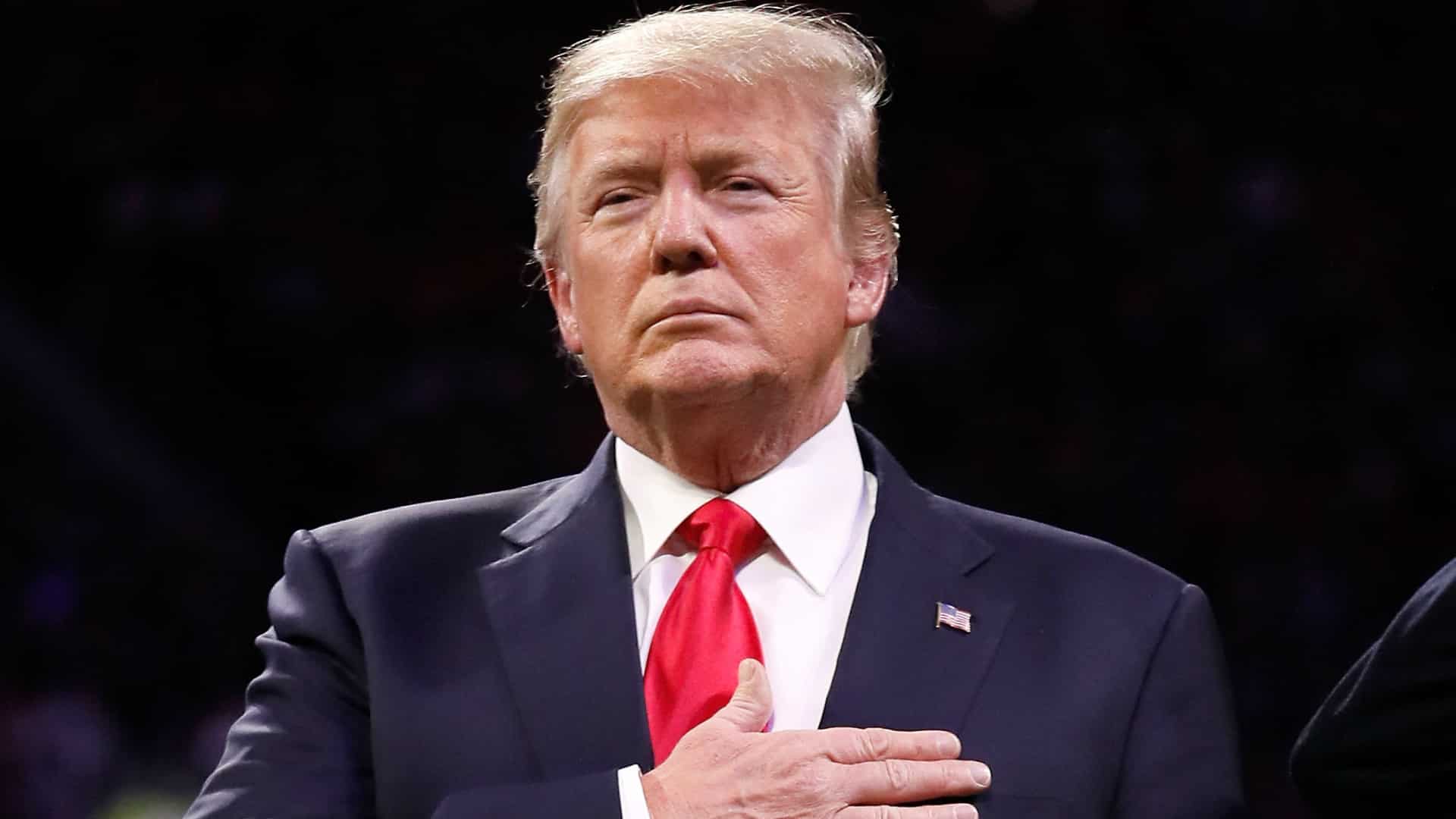
Former US President Donald Trump
Donald Trump, the former US President, confronted a pressing deadline of midnight on Thursday (July 20)to determine whether he would appear before a Washington grand jury convened by Special Counsel Jack Smith.
The grand jury's purpose was to deliberate on federal charges related to Trump's alleged election subversion and incitement of the attack on Congress on January 6, 2021.
Prosecutors assemble evidence for charges
Late on Wednesday (July 19),prosecutors had amassed evidence that could lead to charges against Trump for three specific crimes, reported the Guardian.
These charges included obstruction of an official proceeding, conspiracy to defraud the United States, and a unique statute that pertains to conspiring to violate civil rights.
The potential penalties for these crimes are significant, with obstruction of an official proceeding carrying a maximum sentence of 20 years in prison, conspiracy to defraud the United States carrying a maximum of five years, and the civil rights charge carrying a potential 10-year sentence.
Trump's refusal to testify and expected indictments
By Thursday afternoon, it seemed evident that Trump would not agree to testify before the grand jury. Meanwhile, expectations were rising that indictments regarding his attempted election subversion would soon surface at both the federal level and in Fulton County, Georgia, where a grand jury was recently formed to consider charges.
Additionally, 16 people were charged this week in Michigan over a "false electors" scheme, further highlighting the gravity of election-related investigations.
Trump's complex relationship with House speaker Kevin McCarthy
On Thursday morning, a Politico report shed light on an intricate situation involving Trump and Kevin McCarthy, the Republican speaker of the US House of Representatives.
McCarthy had promised to hold a vote on expunging Trump's two impeachments, one from 2019 and the other for inciting the Capitol attack.
Also watch |US soldier detained in North Korea
Trump reportedly coerced McCarthy into this promise after the speaker refused to endorse him in the 2024 Republican presidential primary.
However, the success of the vote to expunge the impeachments was uncertain, given the narrow majority Republicans held in the House, and the potential resistance from some party members who voted to impeach Trump.
Despite facing multiple criminal charges, Trump continued to lead in polling averages for the Republican primary, maintaining a considerable advantage. Notably, his alleged criminal activities spanned hush-money payments, retention of classified documents, and election subversion. Nevertheless, Trump vehemently denied all wrongdoing, pleading not guilty to all charges.
Surprisingly, polls for a hypothetical general election showed Trump in a close race with President Joe Biden, causing concern among some observers about the former president's potential return to the White House. The Republican party's reluctance to take a strong stance against Trump, despite private concerns about him, further fuelled worries about the party's unity and its potential impact on the nation.
The looming legal battles
Trump's legal battles were set to collide with the Republican primary calendar. Civil trials in New York were scheduled for October and January, while the criminal cases were also due for trial later this year. Trump's legal team sought to delay the trials until after the general election, where a Republican president could potentially intervene and dismiss the cases.
WATCH WION LIVE HERE: