US to end Iran oil sanctions waiver, warns of 'economic fury' and secondary sanctions

&imwidth=600&imheight=450&format=webp&quality=medium "US to end Iran oil sanctions waiver, warns of 'economic fury' and secondary sanctions")
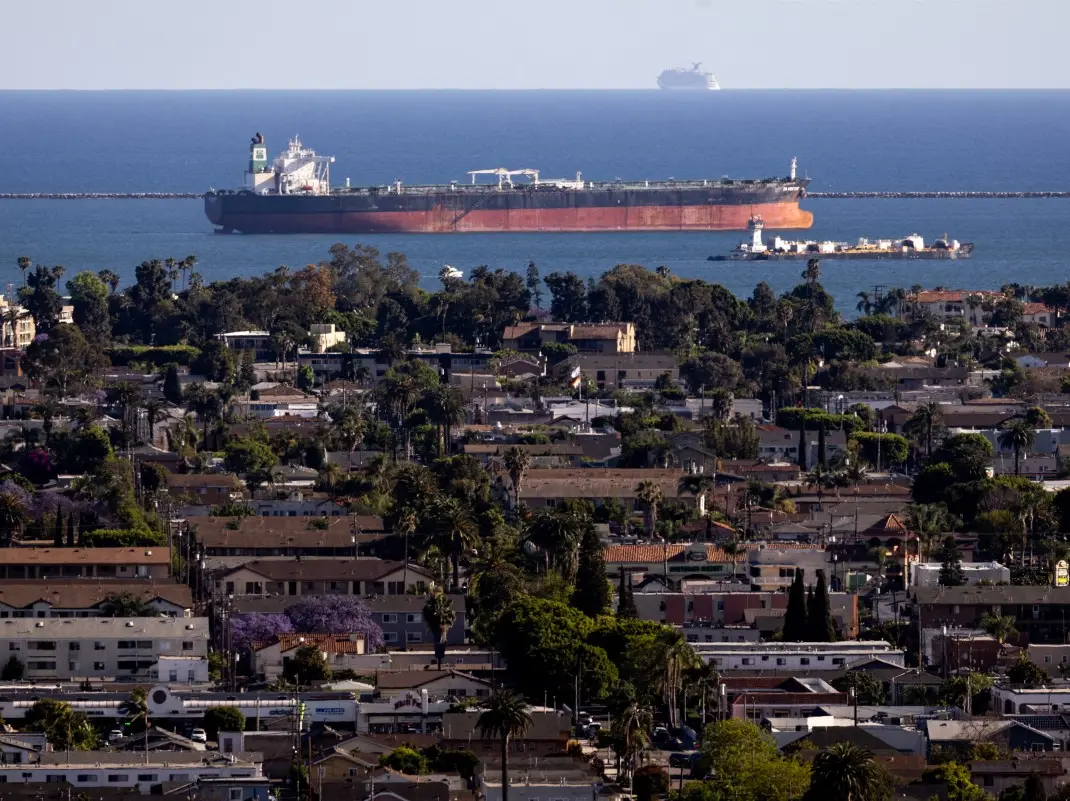
A Liberian crude oil tanker is anchored off the coast of Long Beach, California, on April 11, 2026. Photograph: (AFP)
The US Treasury Department said it will not renew Iran's oil sanctions waiver, warning of “economic fury” and secondary sanctions, raising concerns over global supply and India’s energy security.
The Trump administration has announced that it will not renew the 30-day temporary sanction waiver for the Iranian oil tankers stranded at sea, which is set to expire on April 19, 2026 (Sunday). The US Treasury Department, in a social media post on the platform X, announced that it will be moving with “economic fury”. It also announced that the administration is considering further secondary sanctions against any country that is considering support for Iran's activities. The administration has previously announced a similar waiver on Russian oil, which it quietly allowed to expire without renewal.
"Financial institutions should be on notice that the department is leveraging the full range of available tools and authorities and is prepared to deploy secondary sanctions against foreign financial institutions that continue to support Iran’s activities. The short-term authorisation permitting the sale of Iranian oil already stranded at sea is set to expire in a few days and will not be renewed," read the post by the US Treasury Department.
"My hope is for your swift action to identify and stop any illicit activity linked to Iran to avoid further action from the Treasury," said the US Treasury Secretary Scott Bessent in a letter, as reported by Reuters.
Why was there a sanction waiver for Iranian tankers?
The sanction waiver was announced to address the global demand for crude oil, following the supply shocks caused by the US-Iran war, the damage to the oil production facilities in the Gulf and the blockade on the vital maritime chokepoint, the Strait of Hormuz. This resulted in a significant shortage in the crude oil supply, as the choke point accounts for 20 per cent of the global maritime trade, with countries like the Philippines declaring an energy emergency. The temporary sanction waiver on Iranian oil tankers had enabled around 140 million barrels of oil to reach global markets and helped keep the oil price in the range of $95-$105/per barrel despite the war in West Asia.
Current status of the Russian sanction waiver
The US waiver allowing countries to buy Russian oil has expired on April 11, and the US Treasury Secretary has hinted that it does not intend to renew the waiver. However, experts believe that Russian tankers do find their destination even with the sanctions. The expiration will hurt New Delhi specifically, as it removes another key supplier from the market. India imports almost 85 per cent of its crude oil requirements, so even if the Modi government cosies up with the Trump administration, its policies have been detrimental to the Indian market and energy security.