&imwidth=800&imheight=600&format=webp&quality=medium "Operation Windlord: US deploys Ward250 micro reactor via C-17 Globemaster III in first-of-its-kind Mission")
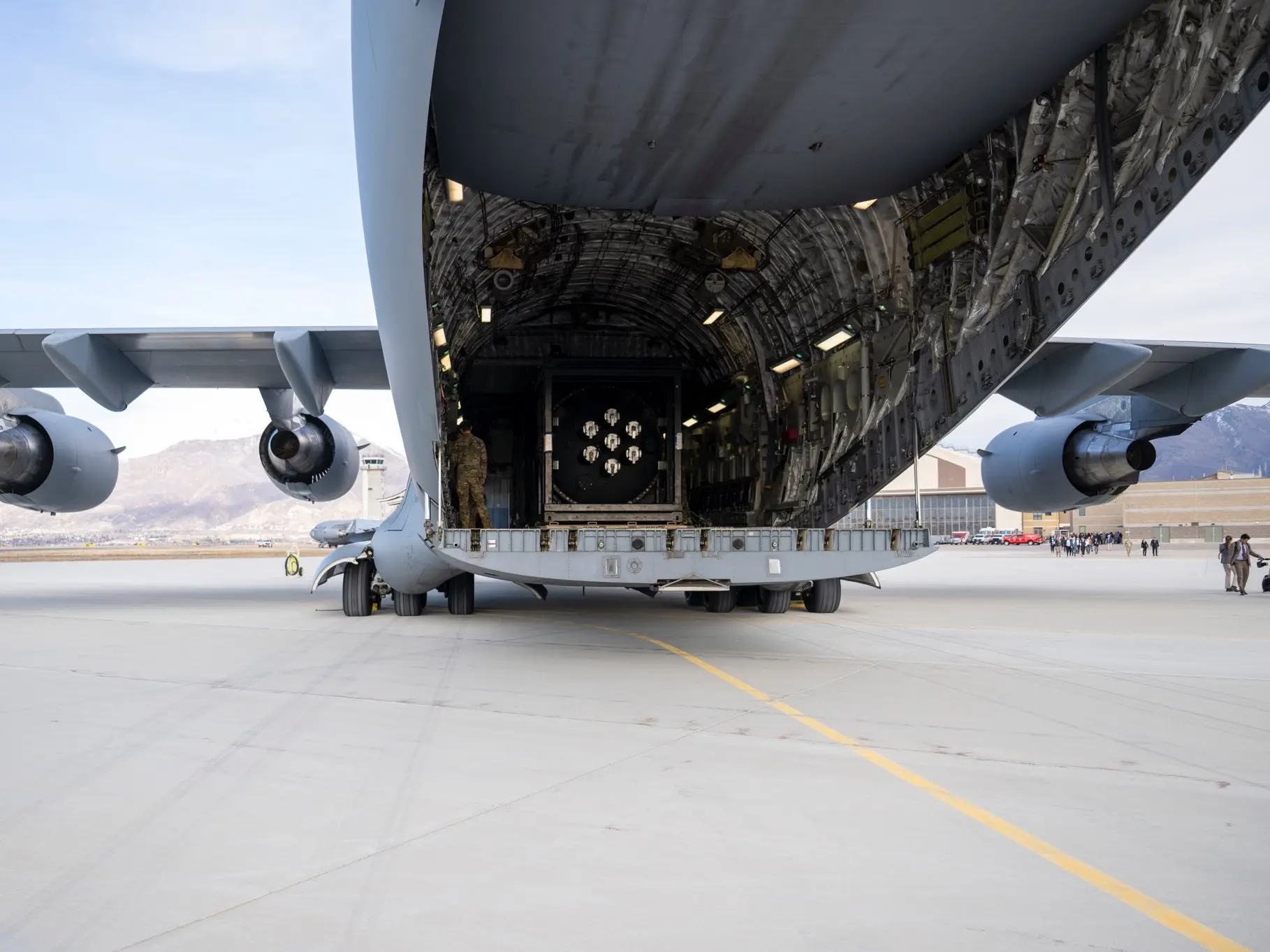
The US military, along with the US Department of Energy and a private company, Valar Atomics, transported a micro nuclear reactor from March Air Reserve Base in California to Hill Air Force Base in Utah in first of its kind Operation Windlord. It will now be moved to Utah San Rafael Energy Lab (USREL) in Orangeville for extensive testing. The project components of the Ward250 reactor were transported by three C-17 Globemaster III transport aircraft, each with a maximum load capacity of 77 tons. The reactor did not have any fuel installed in it.
"Today, the Department of War transported a next-generation nuclear reactor. This historic flight took place on a C-17 from California to Utah. We are executing President Trump’s energy dominance agenda," wrote the US Department of War on a social media post.

What is the Ward250 reactor?
The Ward250 is a micro reactor with an output capacity of 5-megawatt equivalent to the power demand of 5000 households. IT is suitable for small military bases and remote villages. It can be standardised, transported and assembled on site for temporary deployment. The reactor uses helium coolant and graphite moderators. At its core is the tri-structural isotropic (TRISO) fuel, which consists of “uranium kernels encased in ceramic layers”. According to a press release by Valar Atomics, the TRISO fuel is comparatively more efficient than the traditional fissile materials used in traditional power plants used in.
Why is the deployment of Ward250 significant?
The officials are suggesting it is more than a logistics deployment exercise. It is touted as a display of technical superiority, greater emphasis on energy autonomy. According to a Pentagon release, the groundbreaking collaboration between the US military and the DOE is a way to modernise America’s nuclear energy landscape. Officials say this demonstrates the autonomy of rapidly deploying nuclear capability to military bases, infrastructure, remote installations and disaster responses. This will further open the “future of energy resilience and strategic independence” of the US defence to infrastructural challenges.