Ukraine war: UN nuclear watchdog calls on Russia to leave Zaporizhzhia nuclear plant

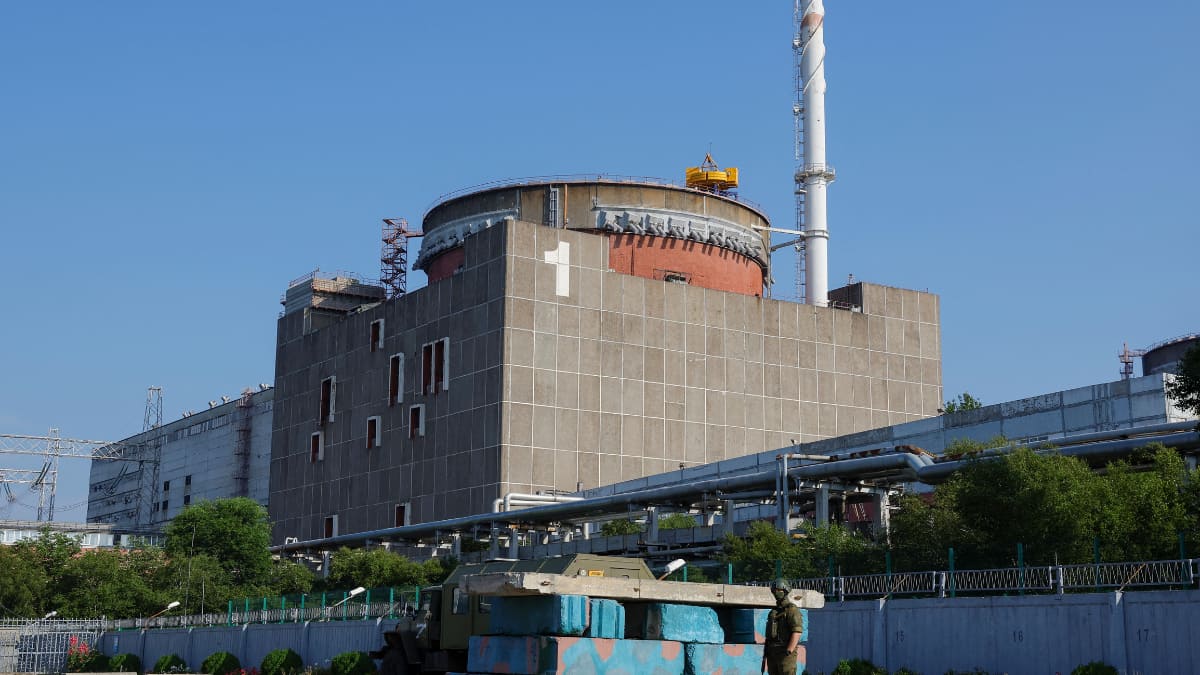
File photo of the Zaporizhzhia Nuclear Power Plant.
The United Nations' (UN) International Atomic Energy Agency's (IAEA) board of governors voted on Thursday (Mar 7) to demand Russia withdraw from the Zaporizhzhia Nuclear Power Plant (ZNPP) in Ukraine, in a resolution passed days after the second anniversary of the plant's capture by Moscow. According to a report by the news agency Reuters, this was the IAEA board's fourth resolution condemning Russia's actions against Ukrainian nuclear facilities.
In a post on X, Ukraine's mission to the International Atomic Energy Agency said that the resolution had been adopted by the majority of votes. The mission called on the UN agency to continue addressing Russia's attempts to undermine nuclear and radiation safety at the Zaporizhzhia plant.
The text adopted on Thursday said that the board called "for the urgent withdrawal of all unauthorised military and other unauthorised personnel from Ukraine's ZNPP and for the plant to be immediately returned to the full control of the competent Ukrainian authorities."
The board reiterated its concern that Russia did not heed the agency's previous calls to withdraw its military and other personnel from the plant. In the past, the IAEA has repeatedly expressed alarm about the facility amid fears of a potential nuclear catastrophe.
The plant has been caught in the crossfire multiple times since Russia launched its offensive in Ukraine in February 2022. The plant’s six reactors have been shut down for months, but it still needs power and qualified staff to operate crucial cooling systems and other safety features.
Last month, IAEA chief Rafael Grossi said that security at the plant remained fragile amid worrying recent staff cuts enacted by Russian authorities occupying the facility.
“This huge facility used to have around 12,000 staff. Now, this has been reduced to between 2,000 and 3,000, which is quite a steep reduction in the number of people working there,” Grossi told the news agency Associated Press on February 6.
“To man, to operate these very sophisticated big installations you need a certain number of people performing different specific functions,” he added.
(With inputs from agencies)