Tunisia acts after hazardous waste makes entry, other nations should follow suit

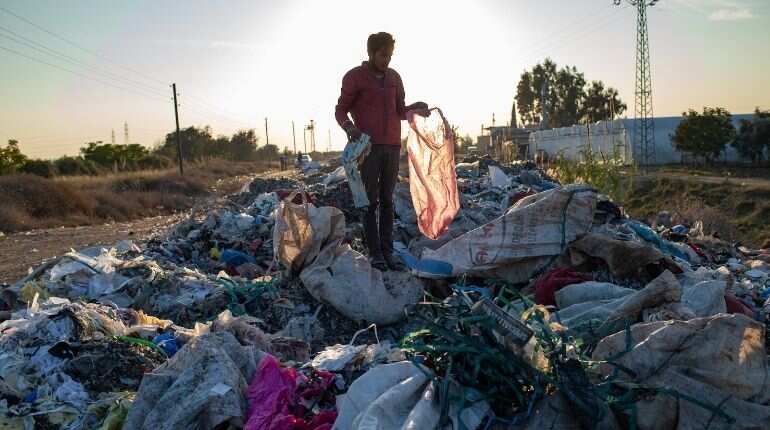
waste
Hundreds of containers of household waste shipped from Italy to the northern African nation Tunisia.
These containers were supposed to be carrying plastic scraps for recycling, instead, they came up filled with rotten household waste.
Tunisia's law clearly says that such waste cannot be imported into the country.
The Italian trash has triggered a storm as Tunisia's waste problem is massive and it struggles to dispose of its own waste.
A lot of waste in Tunisia finds itself in open air landfills.
The nation's environment minister was sacked and arrested and other people are also being questioned over accusations of importing hazardous waste.
Tunisia not the only exception
The global trade in waste is a murky business and illegal waste is the new money minter.
Organised criminal networks have jumped in and most of this waste finds itself in developing nations.
Shipments are often concealed as 'non-hazardous' and 'clean' plastic waste.
In most cases, port authorities don't even bother to check them twice.
In 2016, the plastic recycling market was valued at almost 35 billion dollars. By 2022, it is expected to become a 50 billion dollar industry.
And the big money attracting more and more criminal networks.
Most organised crime groups infiltrate the waste sector using their legitimate businesses as a front.
The garbage often ends up in developing nations that are not equipped to handle this.
The Interpol describes this as crime-driven pollution.
Now that Tunisia has raised a stink, West should understand that developing countries cannot be their dustbin.