

&imwidth=800&imheight=600&format=webp&quality=medium "Trump–Putin Alaska summit: Will this be the ceasefire that changes everything without Ukraine at the table?")
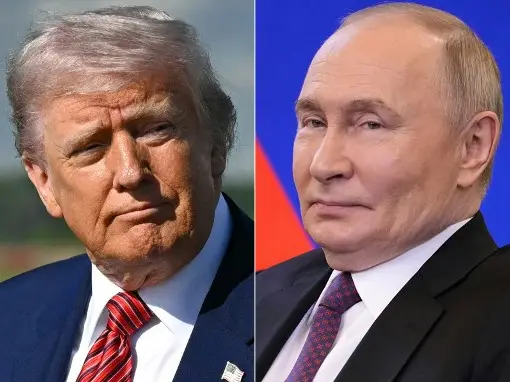
The countdown has begun! US President Donald Trump will convene a high-stakes meeting with Russia’s President Vladimir Putin at Elmendorf-Richardson Air Force Base in Anchorage in a bid to negotiate an end to Russia’s three‑and‑a‑half year war in Ukraine. Trump has publicly staked much on brokering a ceasefire – even hinting he could earn a Nobel Peace Prize – and has floated the idea of “swapping of territories to the betterment of both” sides. He also said he would follow up a successful Russia meeting with a trilateral summit including Ukraine’s president. But Ukrainian leader Volodymyr Zelensky was not invited to the first round, and has warned that any peace plan must involve Kyiv directly.
In Anchorage, the two leaders will reportedly “focus on discussing options for achieving a long-term peaceful resolution to the Ukrainian crisis,” an aide to Putin said, adding it “will be a challenging process”. Western capitals are watching nervously – allies insist Ukraine’s security interests must come first, while Russia seeks relief from punishing sanctions.
Putin’s terms: Hard bargains for peace
On the eve of the summit, the Kremlin has spelt out what a ceasefire deal would entail – and the demands are onerous. Russia’s war objectives have long included international recognition of its annexations and control over large swaths of eastern and southern Ukraine. In this latest push, Putin’s side is reportedly insisting on Ukraine giving up sovereignty over the Donbas region (Donetsk and Luhansk), the Kherson and Zaporizhzhia regions, and even recognising Crimea as Russian. Moscow also demands that Ukraine become a neutral state (explicitly barring NATO membership) and enshrine protections for Russian speakers, including making Russian an official language.
Putin has even hinted at broader economic and security guarantees – and possibly a new nuclear arms-control deal with the US – as bargaining chips.
Analysts note that Russia’s “stringent conditions” for a full ceasefire are really aimed at securing a long‑term strategic victory. A partial compromise under discussion might be a phased truce – for example pausing air strikes while ground fighting continues. But critics fear such a deal would leave Russia “in control of those escalatory dynamics” on the battlefield with “no genuine deterrence” for Ukraine, a result one expert called a “wonderful outcome from Putin’s perspective”.
Trending Stories
&imwidth=180&imheight=135&format=webp&quality=medium)
Iran: US accepted some conditions, Clarity needed on others
&imwidth=180&imheight=135&format=webp&quality=medium)
China imposes first-ever sanctions on ministers from Taiwan allies: What this means
&imwidth=180&imheight=135&format=webp&quality=medium)
Anti-SIR protest in Mumbai: Protestors wear black masks & ribbons in Mumbai
&imwidth=180&imheight=135&format=webp&quality=medium)
CJI Surya Kant declines INDIA bloc leaders’ request for meeting ahead of march to SC, asks them to file petition
&imwidth=180&imheight=135&format=webp&quality=medium)
BCCI rejects venue shift reports, India vs Sri Lanka 1st ODI to remain in Delhi
&imwidth=180&imheight=135&format=webp&quality=medium)
Telangana man allegedly recruited into Russian military dies near Ukraine border
&imwidth=180&imheight=135&format=webp&quality=medium)
A watchdog rated 'ChatGPT for Teens' an unacceptable risk and says keep under-18s off it
&imwidth=180&imheight=135&format=webp&quality=medium)
'Say no to Muse': Meta has no control over its own moderation AI while it forces a security nightmare on everyone
&imwidth=180&imheight=135&format=webp&quality=medium)
Wasim Jaffer blames Ajit Agarkar-led selection panel for Virat Kohli’s Test retirement
&imwidth=180&imheight=135&format=webp&quality=medium)
One Indian killed in Riyadh airport attack; 11 others injured : MEA
&imwidth=180&imheight=135&format=webp&quality=medium)
'Ouch!!! That must hurt': Kangana Ranaut hails Kamal Haasan's sharp reply to Elon Musk over Starlink row
&im=FitAndFill=(700,400)&imwidth=180&imheight=135&format=webp&quality=medium)
Is sending robots to Mars easier than sending humans?
&imwidth=180&imheight=135&format=webp&quality=medium)
1,500 drones illuminate Mumbai sky as Cordelia Cruises unveils second ship, Cordelia Sky
&imwidth=180&imheight=135&format=webp&quality=medium)
Houthis claim Riyadh airport attacks, Aramco strikes; issue fresh warning to airlines, travellers and workers
&imwidth=180&imheight=135&format=webp&quality=medium)
Sidhu Moose Wala’s younger brother wins hearts by recreating late singer’s signature move at Toronto Hologram Show
&imwidth=180&imheight=135&format=webp&quality=medium)
Telangana ATM heist: Thieves in nighties arrive in ambulance, break into SBI ATM in Kamareddy - VIDEO
&imwidth=180&imheight=135&format=webp&quality=medium)
Microsoft's Nadella says treat every AI model as already hacked, and build an 'emergency brake'
&im=FitAndFill=(700,400)&imwidth=180&imheight=135&format=webp&quality=medium)
Navratri 2026: 9 days, 9 forms of Goddess Durga and 9 colours- Check the complete list
&imwidth=180&imheight=135&format=webp&quality=medium)
iPhone Duo price index: Tracking Apple’s latest pricing trends
&imwidth=180&imheight=135&format=webp&quality=medium)
Congress demands action against chief election commissioner
&imwidth=180&imheight=135&format=webp&quality=medium)
UK school ditches technology, shifts from screen to pen and paper for learning
&imwidth=180&imheight=135&format=webp&quality=medium)
'Turn approver, resign, we'll forgive you': Rahul Gandhi claims receiving messages from CEC Gyanesh Kumar
&imwidth=180&imheight=135&format=webp&quality=medium)
Anthropic's AI invented a murder witness and sent the fake tip to Philadelphia police
&imwidth=180&imheight=135&format=webp&quality=medium)
Maharashtra appoints FDA commissioner Tukaram Mundhe as secretary of committee for MPSC overhaul amid stir
&imwidth=180&imheight=135&format=webp&quality=medium)
Saif Ali Khan is finally on Instagram! Here's what he shared in his first post
&imwidth=180&imheight=135&format=webp&quality=medium)
'Just coincidence': Police mistakes protester as AISA chief Neha Bora, arrests her from site
&imwidth=180&imheight=135&format=webp&quality=medium)
Delhi protests: 'Court should not be dragged into political activity', says CJI Surya Kant
&imwidth=180&imheight=135&format=webp&quality=medium)
Nana Patekar's cause of death confirmed; here's what his postmortem report says
&imwidth=180&imheight=135&format=webp&quality=medium)
Delhi protest: CJI Surya Kant declines to meet India Bloc leaders
&im=FitAndFill=(700,400)&imwidth=180&imheight=135&format=webp&quality=medium)
New OTT releases this week (October 12-18, 2026): Sacrifice, Koffee with Karan S9, Roadies Rebirth- 6 titles coming on Netflix, JioHotstar and more
&imwidth=180&imheight=135&format=webp&quality=medium)
Diljit Dosanjh’s Delhi concert gets a new date: When and where to catch the singer
&imwidth=180&imheight=135&format=webp&quality=medium)
Other Mommy leads North American box Office as Verity, Resident Evil round out top four
&imwidth=180&imheight=135&format=webp&quality=medium)
Top AI models flunked a test of inventing new AI research, so much for self-improving AI
&imwidth=180&imheight=135&format=webp&quality=medium)
McSweeney reveals how studying Virat Kohli’s YouTube clips helped Australia A conquer India
&imwidth=180&imheight=135&format=webp&quality=medium)
Portugal Federation confirms Cristiano Ronaldo’s return to national team despite suspension
In public comments, Trump has alternately sounded optimistic and cautious, saying he thinks “Putin will do a deal” on Ukraine but acknowledging the conflict has proven far tougher to end than he expected. A Western diplomat quoted by Reuters suggested the two sides have floated some common terms behind the scenes, but any concrete offer by Russia would likely still amount to Ukraine surrendering territory and major concessions. In exchange, Putin wants Western sanctions lifted and a normalisation of US‑Russia ties – ideally without making that conditional on progress on Ukraine.
Ukraine’s stance: No land concessions
Zelensky and his government have drawn a firm red line: Ukraine will not barter away its territory. In a televised address he reminded citizens that Ukraine’s constitution forbids ceding any land to an aggressor, flatly stating “Ukrainians will not gift their land to the occupiers”.
Ukraine’s leaders reject the notion that significant territory could be traded in any ceasefire deal. In the same video, Zelensky warned that any peace decisions made without Ukraine’s input would be “decisions against peace” – “stillborn” and “unworkable” – because they would lack legitimacy.
His chief of staff, Andriy Yermak, has echoed that line: “the front line is not a border,” he was quoted saying to Reuters, reaffirming that Kyiv will refuse all territorial concessions. Ukrainian officials also celebrated a recent phone call with Trump in which, they say, he agreed that Kyiv must participate in any talks on land swaps.
Even on the streets of Anchorage, Ukrainians and supporters are protesting the idea of ceding any land. Prior demonstrations in Alaska were overwhelmingly pro-Ukraine, underscoring Kyiv’s domestic resolve. Ordinary Ukrainians share this stance: at Kyiv’s Maidan square one veteran told reporters, “Not a single serviceman will agree to cede territory… We fight for every inch”.
In sum, Ukraine’s position is clear – it is prepared to negotiate a ceasefire or new peace talks, but only on terms that guarantee its sovereignty and security. Indeed, even conceding the roughly one‑fifth of territory currently occupied by Russia (the Donbas, Kherson and Zaporizhzhia) would be “painful and politically challenging” for Zelensky.
Experts warn that any deal effectively locking in Russian gains would be immediately rejected in Ukraine. As Atlantic Council analyst Tyson Barker put it, “the best the Ukrainians can do is remain firm in their objections and their conditions for a negotiated settlement”.
What lies ahead: Prospects and pitfalls
As Trump and Putin meet, much remains uncertain. If the summit achieves even a temporary ceasefire, it could halt the bloodshed for a time – a welcome respite for civilians – but it might also freeze large parts of Ukraine under Russian control. Analysts caution that Moscow could agree to a limited truce while maintaining the ability to quickly resume offensives. In their words, a deal that leaves Ukraine “in control of those escalatory dynamics” would still be a win for Russia.
Furthermore, there is a risk that Washington’s pursuit of a rapid deal could undercut Ukrainian morale or unity. So far, both Zelensky and his Western allies appear to have resisted pressure to strike away Ukraine’s key war aims (like NATO membership or recovering all occupied territory).
On the other hand, if the meeting stalls without progress, Ukraine could face continued warfare and a distracted world. Trump has even hinted he could react by imposing new sanctions and tariffs on Russia – or cancelling them if Putin agrees to a deal – after Anchorage.
Such unpredictability injects risk: if sanctions remain, Russia’s economy will keep straining under pressure, but if they are lifted in exchange for a weak ceasefire, Ukraine’s leverage will weaken. European capitals, while hopeful, have been skeptical: the history of unimplemented ceasefires in this war is long, and many say real peace requires much more than a handshake in Alaska. In the end, the summit’s outcome could reshape the war’s trajectory. A breakthrough could force a halt to fighting and begin a painful process of negotiating Ukraine’s future borders and security guarantees.
A collapse of talks might embolden Putin to press his offensive, or simply prolong the stalemate. For Ukraine, the stakes are existential: its leaders will measure any U.S.-Russia deal against the intransigent principle that Ukraine’s future must be decided by Ukraine’s people. As one Ukrainian official put it, this moment calls for “real and genuine peace” – and nothing less will suffice.

