

&imwidth=800&imheight=600&format=webp&quality=medium "Iran names metro station after Virgin Mary to emphasise religious coexistence")
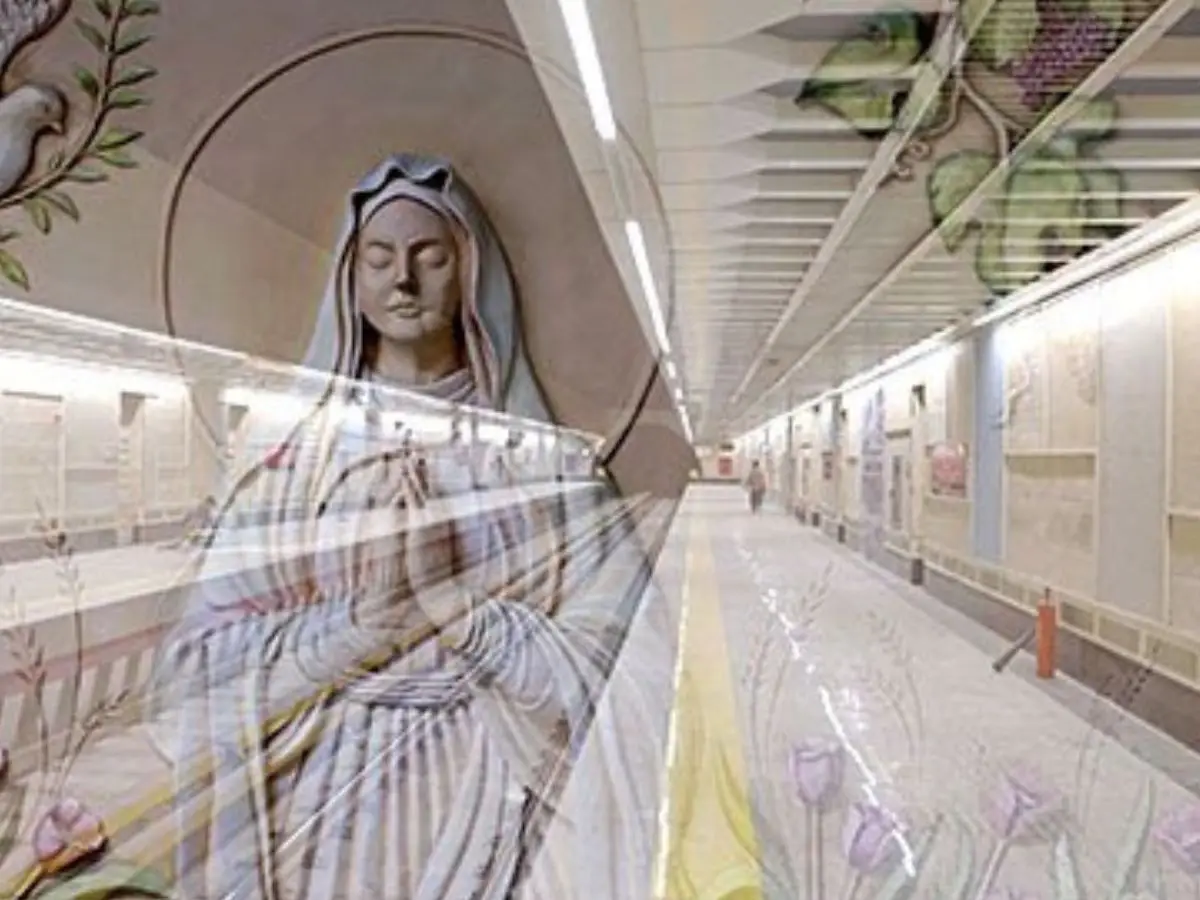
Tehran has inaugurated a new metro station named after the Christian legend Virgin Mary, describing it as a symbol of religious tolerance and coexistence. The move has been both praised and criticised, domestically as well as internationally, shedding light on the concerns about the plight of religious minorities of Iran.
The Virgin Mary Station, or Maryam Moghaddas in Farsi, opened earlier this week gesture of respect towards Christians. Mary is the mother of Jesus Christ and is believed to have conceived with divine intervention. Tehran’s mayor, Alireza Zakani, described the project as a symbol of “the coexistence of divine religions” in the Iranian capital. He added that Mary is also a respected figure in Islam. “This station recalls the divine woman who awakened the world through her purity and by nurturing a great prophet,” said Alireza Zakani.
The station's name is seen by many as a gesture of inclusivity. Situated on the Line 7 network of the Tehran Subway. It is located near the Capital's one of the prominent Armenian churches. The station features iconography that is respected in both Persian and Christian traditions. The ceiling replicates the dome of a nearby Virgin Church, using stainless steel and a softly lit oval-shaped indentation. The entrance also bears a Persian, Armenian inscription, ‘In the name of God’
The opening of the station underscores a complex dynamic; the Shi'ite country has always been known for the suppression of the religious identity of minorities. The symbol and how much it reflects the ground realities in the country have sparked a debate around religious symbolism as well as the evolving global narrative of intolerance in Iran.

